Leave Your Message

What Is the Best Air Cooled Oil Cooler Type in 2026?

Choosing the best Air Cooled Oil Cooler in 2026 is less about finding one universal winner and more about matching a design to real operating conditions. A compact plate-fin cooler may suit tight spaces and steady airflow, while a tube-fin unit can be easier to clean and may handle demanding environments well. Fan-assisted models add flexibility when vehicle speed or natural airflow is low. Each choice has trade-offs.

Small details matter. Oil flow, viscosity, operating temperature, ambient heat, available mounting space, and pressure drop all affect performance. A cooler that looks large enough on paper may still struggle behind a blocked grille or near a hot exhaust. Check manufacturer heat-rejection data at conditions close to your own, rather than relying on a headline rating alone. Installation quality counts, too. Poor ducting can undermine a sound design.

There is no perfect type. That is the honest part. This guide compares common cooler constructions, explains where each tends to work best, and outlines the checks that help narrow a shortlist. It also considers maintenance, fan control, durability, and total installation cost. Real-world results can differ from test figures, especially when airflow changes from one vehicle or machine to another. Use the comparisons as a starting point, then confirm sizing and operating limits with reliable specifications. The best cooler is the one that keeps oil within its intended temperature range without creating unnecessary restriction, complexity, or service burden.
What Is the Best Air Cooled Oil Cooler Type in 2026?

How Air-Cooled Oil Coolers Remove Heat

What Is the Best Air Cooled Oil Cooler Type in 2026?
How Air-Cooled Oil Coolers Remove Heat

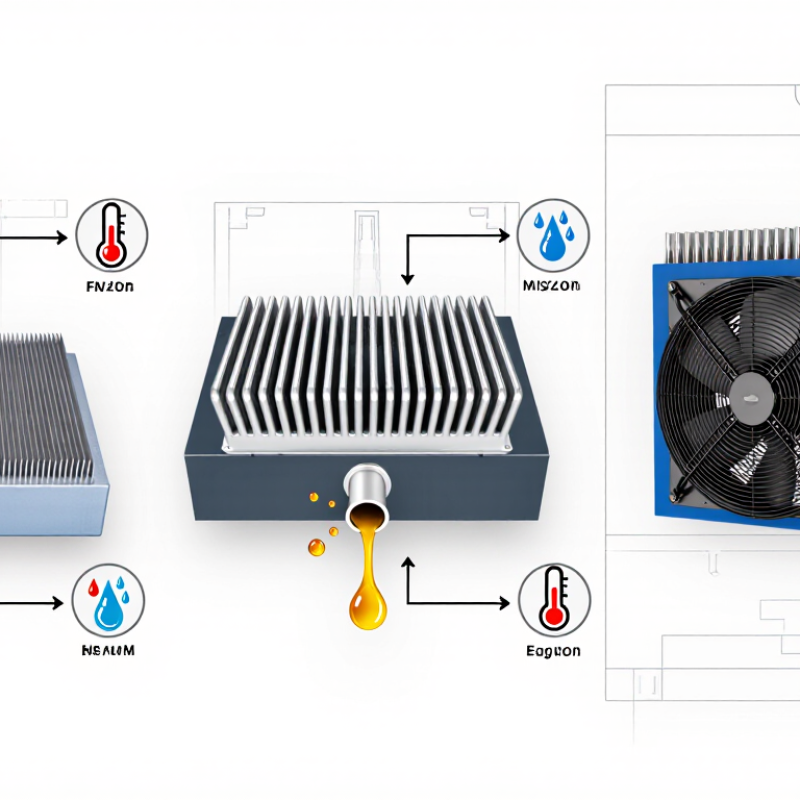
An air-cooled oil cooler transfers heat from circulating oil to moving air. Hot oil flows through narrow tubes or passages, while fins attached to them increase the surface area exposed to airflow. A fan or vehicle motion pushes cooler air across the fins. Heat travels through the metal and then into the passing air. The cooled oil returns to the system. That is the basic exchange.

In practice, performance depends on more than cooler type. Oil flow, inlet temperature, ambient heat, airflow, and available space all matter. A compact stacked-plate design may suit a tight installation, while a tube-and-fin unit can be easier to clean. Neither is automatically best. At a workbench, a cooler can seem generously sized; under a slow climb or heavy load, airflow may tell a different story. Small details matter. Check that air can reach the core and that hot exhaust air is not recirculating through it. Dust between the fins reduces heat transfer, so inspection and gentle cleaning help maintain performance. I would avoid choosing by appearance alone; matching the cooler to measured operating conditions is less glamorous, but more dependable.
The Main Types of Air-Cooled Oil Coolers

The Main Types of Air-Cooled Oil Coolers

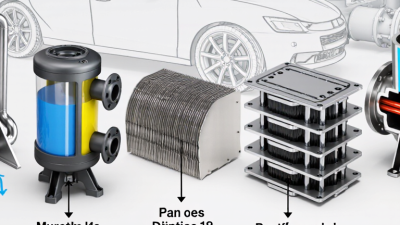
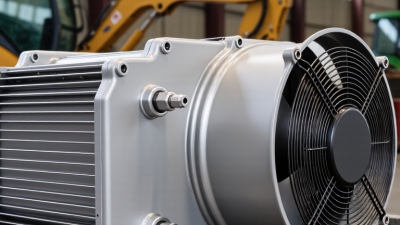
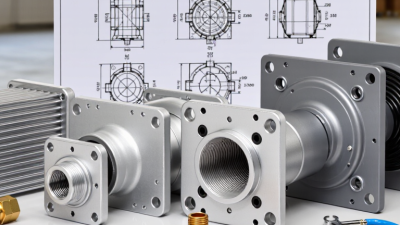
Air-cooled oil coolers mainly use tube-and-fin or plate-and-bar cores. In a tube-and-fin design, oil flows through small tubes while external fins spread heat into the passing air. This construction is often practical where the core may face vibration or occasional cleaning. Plate-and-bar cores use thin, layered passages. They can deliver high heat transfer in a compact space, but narrow channels may be less forgiving of contamination. Stacked-plate units are another compact option, though names and designs sometimes overlap. Fit matters.

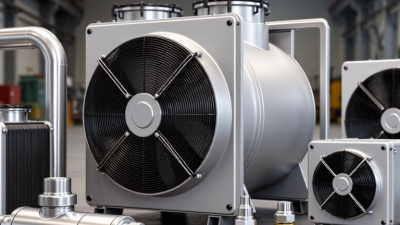
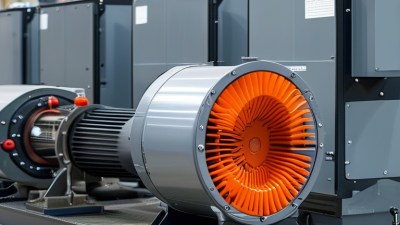
Airflow is a separate choice: a cooler may rely on vehicle or machine airflow, or use an electric fan when equipment runs slowly or stands still.

The U.S. Department of Energy’s 2008 industrial waste-heat assessment estimates that 20–50% of industrial energy input can leave as waste heat; this broad figure is context, not a cooler-sizing rule.

ASHRAE’s fan laws state that fan power varies approximately with the cube of fan speed. That makes variable-speed control useful, but lowering speed also reduces cooling airflow. Dust changes everything. Check oil flow, pressure drop, available mounting space, and fin cleanliness under real operating conditions; catalog heat ratings alone can mislead.

Key Factors for Comparing Cooler Designs in 2026

In 2026, “best” depends less on a cooler’s label than on the conditions it must handle. Compare designs using the required heat rejection, oil flow, viscosity, and highest expected ambient temperature. Check available mounting space and the air path, too. A core placed behind a grille or beside a hot exhaust may receive far less useful airflow than its specifications suggest. Small details matter.

Tube-and-fin cores are often straightforward to inspect and clean, while plate-fin designs can offer strong heat transfer in a compact footprint. Neither is automatically superior. Review performance data at your actual oil flow and air temperature, including pressure drop; excessive restriction can affect the wider hydraulic system. Consider fan power, noise, vibration, and how easily technicians can reach the core. Dust and debris build up. They change performance.

For a fair comparison, ask suppliers for test conditions, not just a maximum cooling figure. Match the data to your duty cycle, then confirm temperatures during real operation if possible. Leave room for maintenance and occasional hotter days. I would not choose by core size alone; I have seen neat, compact layouts become awkward once hoses and service access are included. The ideal design is the one that meets the thermal target without creating a new bottleneck.

Choosing the Best Cooler Type for Each Application

What Is the Best Air Cooled Oil Cooler Type in 2026?
Choosing the Best Cooler Type for Each Application

The best air-cooled oil cooler depends on heat load, available space, airflow, and operating conditions. A compact plate-fin core can suit machinery with limited mounting room and steady airflow. A tube-and-fin design may be easier to inspect and clean in harsher environments. Neither type is automatically best.

For mobile equipment that moves slowly or idles often, a fan-assisted cooler can maintain airflow when vehicle speed is low. Where airflow is already strong, a cooler placed in a clear, well-directed air path may avoid extra fan power. Check the core’s rated heat rejection at realistic oil flow and ambient temperature, not just its dimensions. Fit matters.

Dust changes things. Dense fins can collect debris and restrict airflow, so consider how the cooler will be accessed and cleaned. Also verify allowable pressure drop, oil compatibility, and the system’s cold-start needs. A thermostatic bypass may help prevent overly thick, cold oil from being forced through the cooler. These details are easy to overlook.

Sizing should reflect the hardest sustained duty cycle, including hot weather and restricted airflow. Leave clearance around the core, and avoid placing it where exhaust heat warms incoming air. A small test under actual operating conditions can reveal issues that calculations miss. Selection is rarely perfect on paper.

What Is the Best Air Cooled Oil Cooler Type in 2026? - Choosing the Best Cooler Type for Each Application

Cooler Type or Configuration Typical Construction Cooling and Flow Characteristics Main Advantages Considerations Best-Fit Applications
Tube-and-Fin Oil passes through tubes connected to external fins that transfer heat to moving air. A common design with airflow-dependent heat rejection. Tube layout and cooler sizing affect oil-side pressure drop. Straightforward construction; commonly available in a broad range of sizes; often suitable for moderate cooling duties. Cooling can fall when airflow is restricted or ambient air is hot. Exposed fins may collect dirt or suffer damage. Mobile hydraulics, agricultural and construction equipment, and general machinery with adequate ambient airflow.
Bar-and-Plate Alternating plates, bars, and fins form oil passages and air-side surfaces, commonly joined into a compact core. Its compact passage arrangement can provide substantial heat-transfer area. Pressure drop depends on passage geometry, flow rate, and oil viscosity. Compact construction and high heat-transfer surface area for its size; useful where installation space is limited. Core design must match the required pressure, flow, and temperature conditions. Dense fins can be harder to clean if debris accumulates. High-duty hydraulic systems, compact equipment, and installations needing strong cooling capacity within a limited space.
Fan-Assisted Air Cooler A cooler core, which may use tube-and-fin or plate-style construction, is paired with an electric or engine-driven fan. The fan moves air through the core when vehicle speed or natural airflow is insufficient. Actual cooling depends on fan airflow, core size, and inlet-air temperature. Provides more controlled airflow at low vehicle speeds or in stationary equipment; can be operated independently of ram air. Requires electrical or mechanical power and enough clearance for airflow. Fan noise, control, and maintenance should be considered. Stationary hydraulic power units, slow-moving machinery, and vehicles that spend significant time idling or operating at low speed.
Ram-Air or Natural-Airflow Cooler A cooler core is positioned to use vehicle motion or existing equipment airflow; it may be tube-and-fin or plate-style. Cooling varies with available airflow, which generally changes with speed, ducting, and surrounding obstructions. Avoids a dedicated fan and its power demand when the installation provides reliable airflow. May provide inadequate cooling at low speeds, while stationary, or if the core is poorly located or obstructed. Moving vehicles and equipment with consistent, well-directed airflow across the cooler.

Selection note: There is no single best type for every system. Compare required heat rejection, oil flow and viscosity, allowable pressure drop, maximum oil pressure, ambient temperature, available airflow, installation space, and contamination exposure. Confirm final sizing and operating limits with the cooler’s technical specifications.

Installation and Maintenance Requirements

Choosing the best air-cooled oil cooler in 2026 starts with its installation location, not its advertised capacity. A stacked-plate design can provide strong heat transfer, but it needs steady airflow and secure mounting. Tube-and-fin models may suit tighter spaces, though their cooling performance can be lower under heavy loads. Measure the available area, including room for hoses and tools. Keep the cooler away from exhaust heat, and avoid placing it where road debris can strike the fins.

Tips: Mount the cooler firmly, with vibration-resistant supports. Follow the equipment maker’s guidance for hose size, oil flow direction, and pressure limits. Route hoses clear of sharp edges and moving parts. After installation, check for leaks at idle, then inspect again after the first operating cycle. Small leaks matter.

Maintenance is straightforward, but easy to postpone. Look for bent fins, loose fittings, oil stains, and blocked airflow during routine service. Clean dust and insects gently; high-pressure air or water can flatten delicate fins. Replace damaged hoses rather than patching them. Keep a record of inspections, especially in dusty or high-temperature conditions. One detail is often missed: a cooler that is too exposed may collect grime faster, so the most open mounting position is not always the best one.

Best Air-Cooled Oil Cooler Type in 2026: Installation & Maintenance

Comparative planning ratings (1 = less favorable, 5 = more favorable); based on typical design characteristics, not standardized performance tests.

How to use this chart: Fan-assisted compact coolers can suit installations with limited natural airflow, while tube-and-fin and plate-and-fin designs depend more on unobstructed airflow. Leave room for airflow and service access, mount securely, use oil-compatible fittings, and check for leaks after installation. Inspect the core and clean it when debris restricts airflow; follow the equipment maker’s service instructions and operating conditions.