What Are the Top Types of Oil Coolers?
An Oil Cooler does more than lower temperature. It helps protect lubrication, maintain stable operating conditions, and manage heat in engines, transmissions, and hydraulic systems. The right design depends on the application, available space, fluid flow, and expected heat load. There is no universal winner.
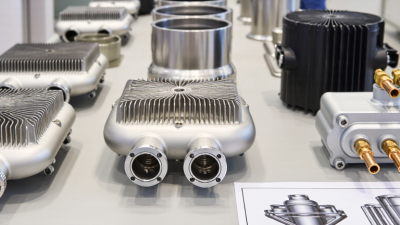
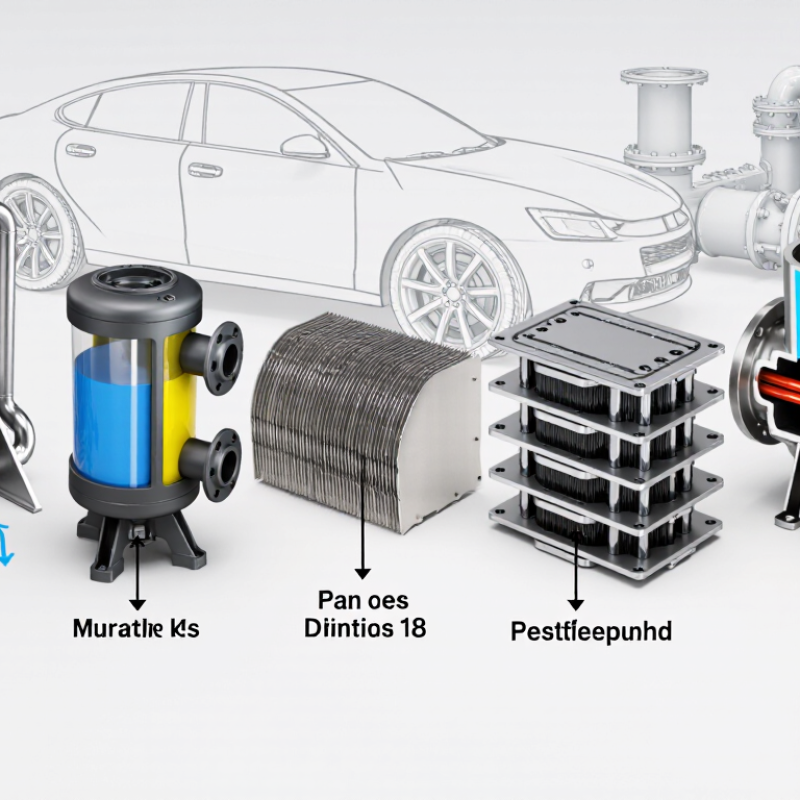
Common options include air-to-oil coolers, water-to-oil coolers, plate-and-fin units, stacked-plate designs, and shell-and-tube exchangers. Each handles heat differently. An air-to-oil unit relies on airflow across external fins, while a water-to-oil unit transfers heat through a coolant circuit. Small details matter: hose routing, mounting position, and restricted airflow can change real-world performance. A specification sheet alone may not tell the whole story.
The International Energy Agency’s Global EV Outlook 2024 reports nearly 14 million electric car sales worldwide in 2023, about 18% of total car sales. That figure describes a changing vehicle market, not oil-cooler demand directly. Still, it highlights why thermal management choices vary across conventional vehicles, hybrids, industrial machinery, and other equipment. Choosing a cooler by name or appearance is easy. Matching it to operating conditions takes more care. The sections below compare the leading types, their strengths, and their limitations, so readers can assess which design fits their needs. Trade-offs remain. Even a well-sized cooler may disappoint if installation or maintenance is overlooked.
How Oil Coolers Transfer Heat Away from Oil
What Are the Top Types of Oil Coolers?
How Oil Coolers Transfer Heat Away from Oil
Oil coolers move heat from circulating oil into air or coolant. Hot oil passes through narrow tubes or plates, transferring heat through the metal walls. Air or water then carries that heat away. A fan or pump helps maintain flow; without it, cooling can fall as temperatures rise. Simple, but sizing matters.
Common designs include air-cooled units, water-cooled shell-and-tube exchangers, and compact plate exchangers. Air-cooled models suit applications with steady airflow. Water-cooled designs can remove heat efficiently where coolant is available, while plate units provide substantial surface area in a small package. The U.S. Department of Energy’s 2008 report, Waste Heat Recovery: Technology and Opportunities in U.S. Industry, estimates that 20–50% of industrial energy input can be lost as waste heat. This broad estimate is not oil-cooler performance data; treating it as such would mislead. Actual heat transfer depends on oil flow, temperature difference, surface area, and clean passages.
Tips: Check oil and air or coolant flow before blaming the cooler. Keep fins clear of dust, and inspect for blocked passages. A small restriction can matter. Temperature readings under real operating load are more useful than guesses, though one test may not tell the whole story.
What Are the Top Types of Oil Coolers?
Oil coolers transfer heat from hot oil to a cooler medium, usually air or a liquid coolant. This chart compares the approximate specific heat capacity of oil, air, and water—properties that help explain how much heat each can absorb per unit of mass.
How cooler types work: Air-cooled units pass air over finned tubes or plates; liquid-to-oil units transfer heat through a separating wall to a coolant; plate and shell-and-tube designs provide different arrangements of those heat-transfer surfaces. Actual cooler performance also depends on flow rate, surface area, temperature difference, and construction.
Approximate specific heat capacity near 25°C: engine oil varies by formulation; air is shown at approximately 1 bar; water is pure liquid water. Values are representative, not cooler-performance ratings.
Air-Cooled Oil Coolers and Their Main Designs
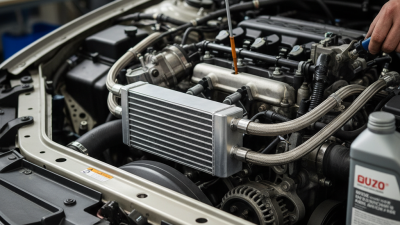
Air-cooled oil coolers transfer heat from oil to moving air, without a separate coolant circuit. Their performance depends on core design, airflow, and installation space. A cooler that looks large may still perform poorly if hot air recirculates around it.
Tube-and-fin designs route oil through narrow tubes fitted with thin metal fins. The fins provide extra surface area, while a fan or vehicle airflow carries heat away. These units are often relatively light and straightforward to mount. Keep the fins clear of dust and debris. Even a thin layer can reduce airflow. Simple, but not foolproof.
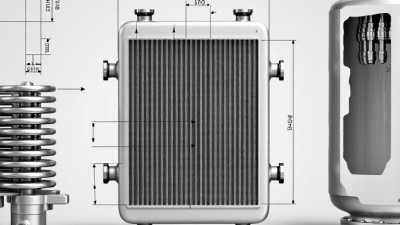
Plate-and-fin designs use stacked passages and closely spaced fins. Their compact core can offer substantial heat-transfer area, making them useful where space is limited. Some models include an electric fan for steady airflow at low vehicle speeds.
More cooling is not always better. Excessive cooling can keep oil below its preferred operating range, especially during cold starts. Check the equipment maker’s temperature and pressure requirements, then consider oil flow, ambient heat, and available airflow. A tight mounting location can undermine an otherwise suitable design, and that detail is easy to miss.
Water-Cooled Oil Coolers: Shell-and-Tube and Plate Types
Water-cooled oil coolers transfer heat from circulating oil into a separate water circuit. Shell-and-tube designs pass one fluid through tubes and the other around them. Their sturdy construction suits demanding service, and technicians can often clean the tubes mechanically. The trade-off is a larger footprint. Plate coolers stack thin, corrugated plates, creating compact units with strong heat transfer. Their narrow passages, however, can foul if oil or cooling water carries debris.
Space matters.
Selection depends on operating pressure, oil viscosity, water quality, and acceptable pressure drop—not just cooler size. The U.S. Department of Energy’s 2008 report, Waste Heat Recovery: Technology and Opportunities in U.S. Industry, estimates that 20–50% of industrial energy input may leave as waste heat. That broad estimate is not specific to oil coolers, but it shows why effective heat removal matters. In practice, a plate unit may fit a crowded machine room, while a shell-and-tube unit may be easier to inspect in a dirty, maintenance-heavy setting. Neither choice is automatically better; I would also check the manufacturer’s rated flow and temperature limits against real operating conditions.
Tips: Install strainers where debris is possible, monitor water-side scaling, and compare pressure-drop data at the actual flow rate. A clean cooler can still underperform if flow is too low.
Specialized Oil Cooler Types for Different Applications
What Are the Top Types of Oil Coolers?
Specialized Oil Cooler Types for Different Applications
Different machines need different ways to shed oil heat. Air-to-oil coolers pass air across finned tubes, making them useful for mobile equipment and engines with steady airflow. They need clear space around the core. A cooler tucked behind a blocked panel may do little.
Liquid-to-oil coolers transfer heat into a separate coolant circuit. They suit compact installations, including transmissions and industrial systems, where airflow is limited. Plate-style units pack heat-transfer surfaces into a small space; shell-and-tube designs can be easier to service in some larger systems. Fit matters. The best type depends on heat load, pressure, available space, and the machine’s duty cycle.
Tips: Check the cooler’s pressure rating and oil compatibility before installation. Keep hoses short, avoid sharp bends, and confirm airflow or coolant flow. A thermostatic bypass can help oil warm up in cold conditions. Measure twice.
Mounting and plumbing matter as much as cooler type. Excessive hose length can increase pressure drop, while vibration can fatigue fittings over time. There is no universal winner, and the tidiest layout is not always the most reliable. Compare operating temperatures under real working conditions, then inspect for leaks and restricted flow after installation.
Key Factors for Comparing Oil Cooler Designs
Comparing oil cooler designs starts with the operating conditions, not the catalog headline.
Air-cooled units are simple to install and need no coolant circuit, but their performance depends on airflow and ambient temperature. In a hot, dusty machine room, fins can clog and heat rejection can fall. Water-cooled shell-and-tube designs fit compact spaces and handle steady loads well, though they add pumps, plumbing, and water-side fouling risk. Plate coolers transfer heat efficiently in a small footprint. Their narrow passages, however, can be less forgiving of contaminated oil.
Trade-offs matter.
Check heat duty, oil flow, viscosity, allowable pressure drop, and service access together. A cooler that removes heat effectively may still starve a downstream component if its pressure drop is excessive. Compare performance at the actual oil temperature and flow; cold-start oil behaves very differently from warmed oil. The U.S. Department of Energy’s 2008 report, Waste Heat Recovery: Technology and Opportunities in U.S. Industry, estimates that 20–50% of industrial energy input can leave as waste heat. That broad estimate is not an oil-cooler rating, but it shows why heat rejection deserves careful sizing.
Ask for test conditions, not just capacity. A rating without them can mislead.
Leave room for cleaning, too; engineers sometimes underestimate that.