China Best Air Cooled Oil Cooler Manufacturer?
Choosing the China Best Air Cooled Oil Cooler Manufacturer requires more than comparing catalog prices. It requires evidence. An Air Cooled Oil Cooler must control oil temperature, manage pressure loss, and withstand vibration, dust, and changing ambient conditions. In a real hydraulic power unit, a blocked fin can quickly reduce cooling performance. A weak fan motor can create the same problem.
Industry data supports this practical concern. MarketsandMarkets’ Hydraulic Equipment Market reports identify construction, agriculture, mining, and industrial machinery as major demand sectors. These applications require dependable thermal management under continuous operating loads. The U.S. Department of Energy also emphasizes efficient motor and drive-system maintenance, including correct sizing, airflow, and operating conditions. These points directly influence cooler selection.
The best Chinese manufacturers usually provide more than a standard aluminum core. They should offer thermal calculations, pressure-drop testing, fan performance data, material specifications, and documented quality controls. Look for clear information about rated flow, oil viscosity, inlet temperature, ambient temperature, and allowable pressure. ISO 9001 certification can support process consistency, but certification alone does not prove field performance. That deserves attention.
A reliable supplier should also explain how its products are tested. Does the factory inspect brazed joints? Does it test leakage under pressure? Can it provide photographs, test records, and application references? These details matter when equipment operates beside a dusty quarry or inside a hot factory.
Price still matters. However, the cheapest cooler may create higher costs through downtime, premature fan failure, or repeated cleaning. Some comparisons overlook installation space and service access. That is a mistake. This guide examines Chinese manufacturers through engineering capability, product reliability, customization, testing, and after-sales support. The findings may not suit every buyer, but they can make the decision more informed.
What Is an Air-Cooled Oil Cooler?
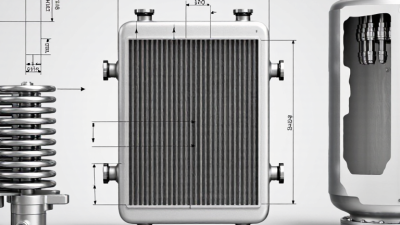
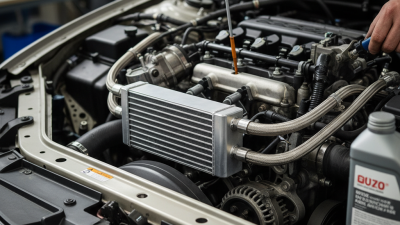
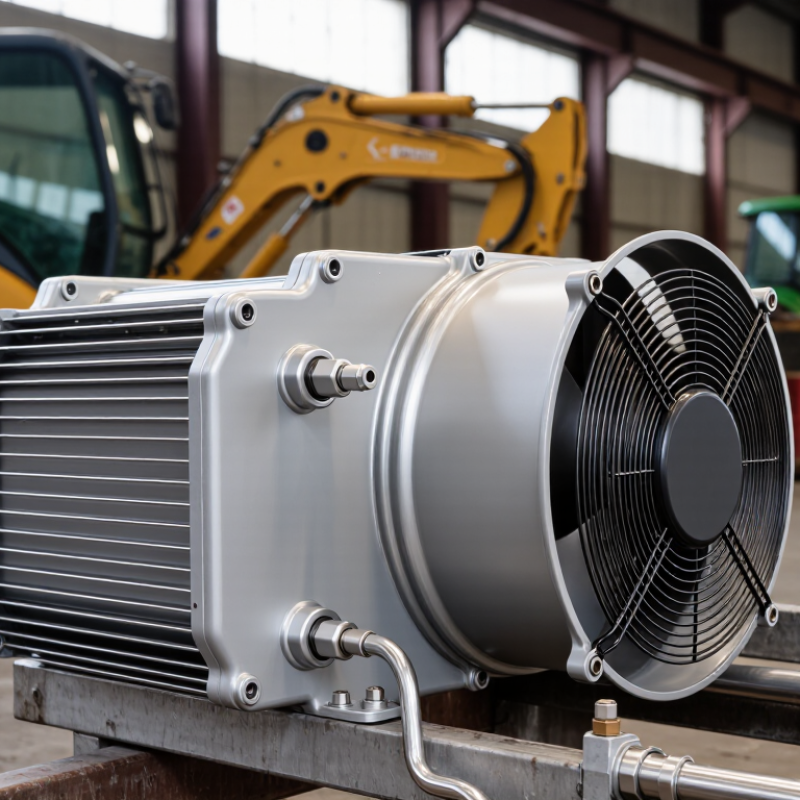
An air-cooled oil cooler is a heat exchanger that removes heat from oil by transferring it to surrounding air. Hot oil flows through tubes or passages, while metal fins increase the surface area exposed to airflow. A fan may push air across the core, or vehicle movement may provide enough airflow. No water circuit is needed.
You may find these coolers in machinery, hydraulic systems, engines, and other equipment that generates oil heat. Their job is to help keep oil within a suitable operating temperature range. Cooler oil can maintain its intended viscosity more reliably, but the right temperature depends on the system and oil specification. The cooler’s core, fan, hoses, and fittings all affect performance. Small details matter.
Choosing a unit is not always obvious. A large cooler may seem safer, yet excessive cooling can also be undesirable, especially during cold starts. Check the expected heat load, airflow, oil flow rate, pressure drop, and available mounting space. Dust or blocked fins can reduce heat transfer, so inspection and cleaning belong in regular maintenance. In practice, airflow around the cooler can be less predictable than a catalogue suggests. That is worth checking.
How Does an Air-Cooled Oil Cooler Work?
China Best Air Cooled Oil Cooler Manufacturer?
How Does an Air-Cooled Oil Cooler Work?
An air-cooled oil cooler transfers heat from circulating oil to ambient air. Hot oil enters a core of narrow tubes, while attached fins increase the surface area available for heat exchange. A fan pushes or pulls air across the fins, carrying heat away. The cooled oil then returns to the machine. Simple in principle. In practice, airflow and oil flow must match the equipment’s heat load.
The U.S. Department of Energy’s 2008 report, Waste Heat Recovery: Technology and Opportunities in U.S. Industry, estimates that 20–50% of industrial energy input may leave as waste heat. This broad estimate covers many processes, not oil coolers alone. Cooler performance also depends on ambient temperature, fan speed, and fin cleanliness. Dust or lint can restrict airflow and reduce heat transfer. Check oil temperature and pressure drop under actual operating conditions. A clean core can still be undersized. API Standard 661 provides design guidance for air-cooled heat exchangers in petroleum and petrochemical service, but hydraulic systems still require application-specific sizing.
How an Air-Cooled Oil Cooler Transfers Heat
Illustrative oil and air temperatures at the cooler inlet and outlet
Hot oil flows through tubes while ambient air passes over the cooler’s fins. Heat moves from the oil through the tube walls and fins into the air; the fluids do not mix. This illustrative example assumes an oil flow of 0.10 kg/s cooling from 90°C to 70°C, with specific heat capacity of 2.0 kJ/(kg·K). That removes 4.0 kW of heat. At an air flow of 0.20 kg/s and specific heat capacity of 1.005 kJ/(kg·K), the matching air temperature rise is about 19.9°C, from 25°C to 44.9°C. Actual results depend on cooler design and operating conditions.
Key Features of a High-Quality Air-Cooled Oil Cooler
China Best Air Cooled Oil Cooler Manufacturer?
Key Features of a High-Quality Air-Cooled Oil Cooler
A high-quality air-cooled oil cooler should remove heat reliably without creating excessive oil-flow resistance. Its core needs even oil distribution, sound brazed or welded joints, and fins that transfer heat efficiently. Dense fins can improve cooling, but they may also collect dust and restrict airflow. Balance matters. In real installations, available space and ambient temperature affect performance as much as the cooler’s rated capacity.
Check the materials, pressure rating, and finish before selecting a unit. Corrosion-resistant construction helps in damp or dusty work areas, while secure mounting reduces vibration stress. Look for clear specifications covering flow rate, operating pressure, and recommended airflow. A fan, if fitted, should move air evenly across the core. Easy access for cleaning is useful; clogged fins can quietly reduce cooling. No specification replaces checking compatibility with the actual system.
Tips: Measure the mounting area and hose connections first. Keep the cooler clear of obstructions, and inspect fins for dust or damage during routine service. A larger cooler is not automatically better; pressure drop and available airflow still need consideration.
How to Evaluate the Best Air-Cooled Oil Cooler Manufacturer
How to Evaluate the Best Air-Cooled Oil Cooler Manufacturer
A strong manufacturer should prove performance, not only display attractive specifications. Ask for heat-rejection data at defined oil viscosity, inlet temperature, ambient temperature, and airflow. The U.S. Department of Energy notes that fan systems can consume 10–20% of manufacturing electricity. Therefore, fan efficiency matters beside cooling capacity. Check measured pressure drop, noise, motor efficiency, and power consumption.
I would inspect a real test report before approving a supplier. The report should show calibrated instruments, test conditions, and repeatable results. Look for compliance with recognized fan and heat-transfer testing methods, such as AMCA 210 and relevant ISO procedures. Examine fin spacing closely. Dusty workshops need wider passages, while clean plants may accept compact cores. Ask how the unit handles vibration, oil contamination, and sudden thermal cycling.
Traceability also separates a dependable supplier from a convenient seller. Request material certificates, serial-number records, inspection photos, and documented leak tests. Spare fans, seals, and motors should have clear replacement lead times. Grand View Research’s 2024 heat exchanger analysis indicates continued market growth, but growth does not guarantee quality. A perfect scorecard is unrealistic. I would still question unusually high capacity claims, especially when no ambient conditions are stated. A factory visit may reveal more than a polished brochure.
Applications and Selection Criteria for Air-Cooled Oil Coolers
Air-cooled oil coolers suit mobile machinery, hydraulic power units, compressors, and production equipment where water cooling is unavailable or inconvenient. A fan moves ambient air across the cooler core, carrying heat away from the oil. In a loader working through a long summer shift, stable oil temperature can help protect seals and reduce excessive fluid breakdown. Heat has a cost.
Selection starts with the application, not the cooler’s outside dimensions. Estimate the heat that must be rejected, then check oil flow, operating pressure, viscosity, and the hottest expected ambient temperature. A unit that performs well in a cool workshop may struggle beside a dusty machine on a hot afternoon. Measure before sizing. Also confirm available space, electrical supply for the fan, mounting orientation, and acceptable noise.
Core material and construction matter, especially where vibration, corrosion, or pressure cycling are expected. Check the manufacturer’s performance data at conditions close to the real duty cycle; a rating based on different oil or airflow can mislead. Keep the air path clear, and allow room for cleaning the fins. A common mistake is choosing by core size alone. The first estimate is rarely the final answer, so operating temperatures should be checked after installation and compared with the equipment’s requirements.