Top Air Cooled Oil Cooler Options for Global Buyers?
In the evolving world of industrial machinery, the significance of an efficient Air Cooled Oil Cooler cannot be overstated. Paul Thompson, a leading expert in thermal management systems, emphasizes, "The right cooler can extend equipment life and enhance performance." As global buyers increasingly seek reliable solutions, understanding the various options available is essential.
Air Cooled Oil Coolers are pivotal in maintaining optimal temperatures in hydraulic and lubrication systems. These coolers utilize ambient air to dissipate heat, making them energy-efficient and environmentally friendly. The selection of the right model depends on several factors, including application, space constraints, and climatic conditions.
While many products boast advanced features, users must be cautious. Some coolers may underperform due to poor manufacturing standards. Examining the market requires a discerning eye. Buyers should prioritize quality and performance. Ultimately, informed choices lead to better outcomes in the long run.
Overview of Air Cooled Oil Coolers and Their Benefits
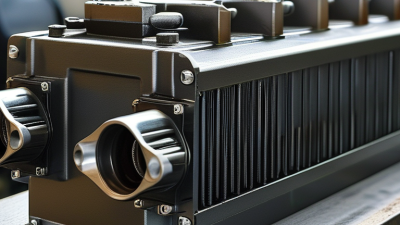
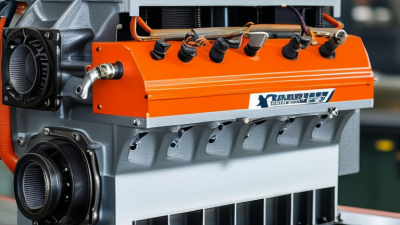
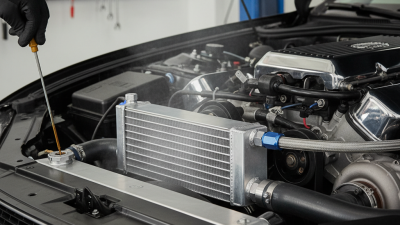
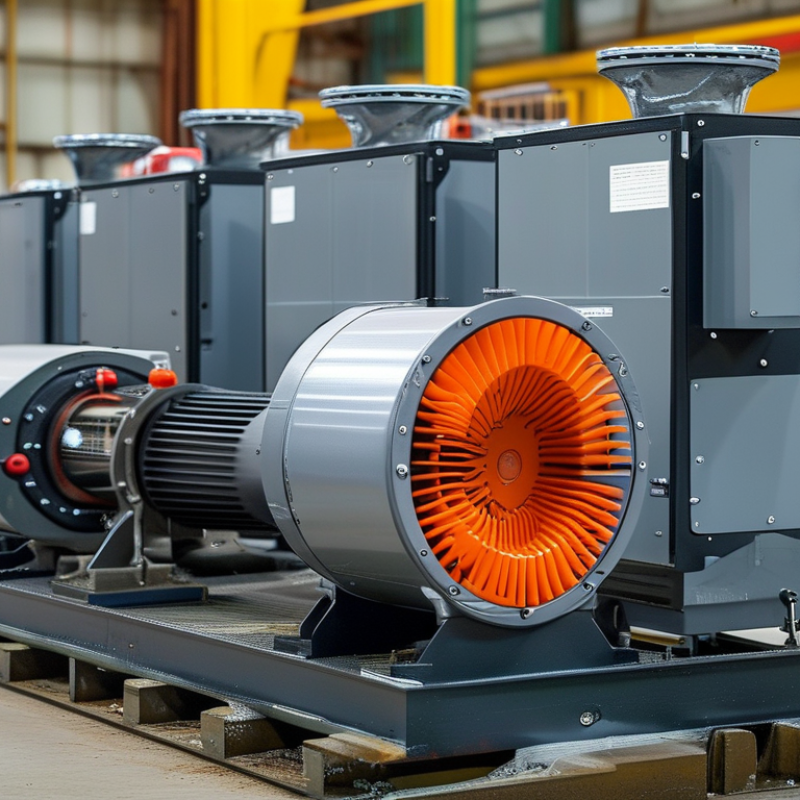
Air cooled oil coolers play a vital role in maintaining optimal engine temperatures. These coolers use ambient air to dissipate heat from the oil, ensuring that it remains within an efficient operating range. They are often lightweight and easier to install compared to liquid-cooled systems. This makes them a popular choice across various industries.
The benefits of air cooled oil coolers extend beyond their simple design. They require less maintenance since there are no fluids that need to be monitored regularly. Additionally, they are less prone to leaks, which can be a major concern with other cooling types. However, air cooled systems may not be as effective in extremely hot environments. In such cases, performance may suffer.
Many users appreciate the reliability of these coolers. They can be used in different applications, from automotive to industrial machinery. Understanding the specific needs of your application is crucial. These coolers might not be suitable for every situation, and this requires careful consideration. Evaluating factors like ambient temperature and space availability can aid in making informed choices.
Key Factors to Consider When Choosing Air Cooled Oil Coolers
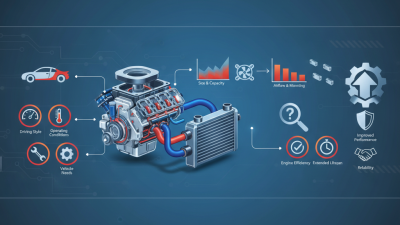
When selecting an air-cooled oil cooler, several key factors must be evaluated. Efficiency plays a critical role in the functionality of the cooler. According to industry reports, an efficient cooler can reduce oil temperatures by up to 30% under optimal conditions. Consider the design and materials used in the construction. High-quality aluminum or copper options offer superior thermal conductivity, leading to better overall performance.
Size and compatibility are crucial as well. A cooler must fit the designated space while matching system requirements. Many buyers overlook the importance of airflow. Proper airflow significantly enhances cooling performance. As per recent analysis, inadequate airflow can result in a 20% drop in cooling efficiency.
Finally, durability and maintenance need attention. Air-cooled oil coolers often experience exposure to harsh environments. Selecting a unit with corrosion-resistant properties increases its lifespan. Regular inspections and maintenance are necessary to ensure reliability. Reflecting on these factors will help in making a well-informed purchase.
Top Brands and Models of Air Cooled Oil Coolers Available Globally
Choosing the right air cooled oil cooler is crucial for various industries. This decision impacts performance, efficiency, and longevity of equipment. According to a recent market analysis, the air cooled oil cooler segment is projected to grow at a CAGR of 7% by 2028. This growth is driven by increased demand in automotive and industrial sectors.
Several prominent brands offer reliable models that cater to diverse needs. Features such as compact design, high heat exchange efficiency, and robust construction are common. Advanced materials, like aluminum and copper, enhance durability. A focus on energy savings is also evident. Many models have adapted technologies that reduce energy consumption while maintaining performance.
Selecting an air cooled oil cooler requires careful consideration. Users must evaluate specific cooling needs, environmental conditions, and maintenance requirements. While budget constraints are significant, investing in a quality cooler can lead to lower operational costs in the long run. Balancing price with performance remains a challenge for many buyers, making informed choices essential.
Installation and Maintenance Best Practices for Air Cooled Oil Coolers
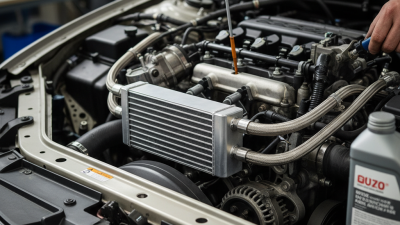
Air cooled oil coolers are crucial for maintaining optimal temperatures in various machinery and vehicles. Proper installation is essential to maximize efficiency. Ensuring adequate airflow around the cooler is vital. Experts recommend a minimum distance of 12 inches from any obstructions for improved air circulation. This enhances cooling performance, especially in high-temperature environments.
Regular maintenance is equally important. Most professionals suggest checking coolant levels bi-monthly. This helps prevent overheating and extends the cooler's lifespan. Additionally, inspecting for debris accumulation is critical. A study from the International Council on Clean Transportation highlights that a 20% blockage can reduce cooling efficiency by up to 30%. This emphasizes the necessity of cleaning air coolers regularly.
While these practices seem straightforward, mistakes do occur. Many neglect to use proper mounting techniques, which can lead to vibrations and eventual damage. Properly using vibration isolation mounts can reduce this risk. Awareness of these potential pitfalls can lead to better decision-making in installation and maintenance.
Top Air Cooled Oil Cooler Options for Global Buyers
This chart displays the cooling efficiency (in kW) of various air cooled oil cooler options based on their dimensions (in mm). The data is derived from industry standards and practices.
Comparative Analysis of Air Cooled vs. Liquid Cooled Oil Coolers
Air cooled oil coolers have gained prominence for their simplicity and efficiency. Unlike liquid cooled options, they rely solely on ambient air to dissipate heat. Industry reports indicate that air cooled systems are generally less complex, resulting in lower maintenance costs. This can be particularly advantageous in environments where reliability and ease of repair are essential.
However, air cooled systems may struggle in high ambient temperatures. Their efficiency decreases as surrounding temperatures rise, making them less suitable for extreme conditions. Liquid cooled systems, on the other hand, excel in these scenarios. They use a dedicated coolant, offering consistent performance even under stress. According to recent studies, liquid cooled options can extend the lifespan of machinery by up to 25% in demanding conditions.
Cost is another factor worth considering. Installation and operational costs for air cooled units are typically lower. Yet, the potential need for frequent replacements can offset these savings. Buyers must weigh initial costs against long-term reliability and efficiency to determine the best fit for their needs.