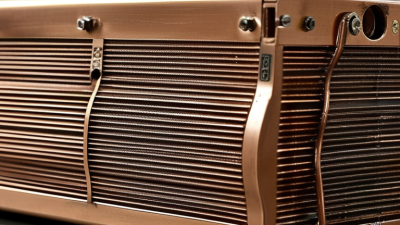
What Is a Transmission Oil Cooler?
A Transmission Oil Cooler helps manage the heat created as transmission fluid moves through the system. In many vehicles, the fluid passes through a small heat exchanger near the radiator, where airflow or engine coolant carries heat away. Some vehicles use a separate, air-cooled unit mounted in front of the radiator. The exact arrangement depends on the vehicle.
Heat matters. When transmission fluid runs too hot, it can lose some of its ability to protect moving parts and maintain smooth operation. A cooler helps reduce that risk, especially during towing, stop-and-go driving, or travel on steep roads. It does not make a transmission immune to wear, though. That distinction is easy to overlook.
This article explains what a transmission oil cooler does, how its main types differ, and what drivers may notice when one is damaged or restricted. A leak, bent cooling fins, or a loose hose can affect cooling, but similar symptoms may have other causes. For example, slipping or harsh shifts can point to problems beyond the cooler. Careful diagnosis matters.
Vehicle manuals and service information are useful starting points before adding or replacing a cooler. Cooler size, hose routing, and fluid requirements vary by model, so a general recommendation may not fit every vehicle. A small component, with real consequences.
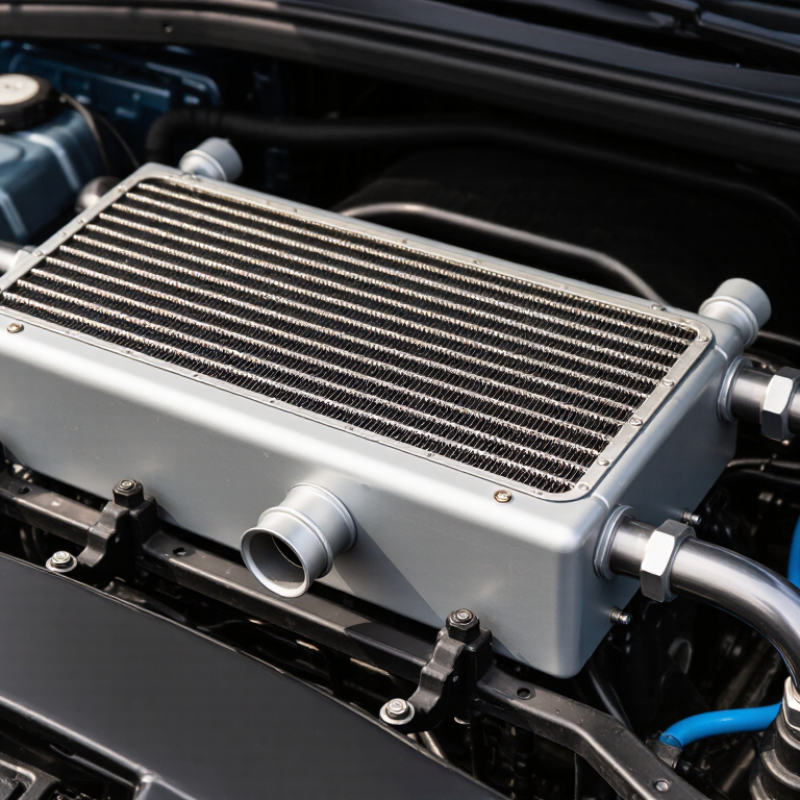
What a Transmission Oil Cooler Is and How It Removes Heat
What Is a Transmission Oil Cooler?
A transmission oil cooler is a heat exchanger that helps control automatic transmission fluid temperature. A pump circulates hot fluid from the transmission through narrow passages inside the cooler. Heat then transfers to passing air or, in some designs, to engine coolant. The cooled fluid flows back to the transmission.
That matters.
Excess heat can speed fluid breakdown and place extra stress on internal parts, especially during towing, climbing steep roads, or stop-and-go driving.
Coolers may sit inside a vehicle’s radiator or use a separate air-cooled unit. Their size and layout vary, so the same temperature change should not be expected in every vehicle. A cooler also cannot repair worn fluid, blocked lines, or an existing transmission fault.
It is a heat-management component, not a cure-all.
That distinction is easy to miss.
Tips:
Check cooler lines and fittings for damp spots or drips. Follow the vehicle’s service instructions when checking fluid level and condition. Keep the cooler’s airflow path clear of dirt and debris. If temperatures remain high, have the system inspected rather than assuming a larger cooler is needed.
Where the Cooler Fits in the Transmission Fluid Circuit
What Is a Transmission Oil Cooler?
Where the Cooler Fits in the Transmission Fluid Circuit
An automatic transmission’s pump draws fluid from the sump and circulates it under pressure. Some fluid serves hydraulic controls and clutch packs; a regulated portion may travel through the cooler circuit. The exact route varies by transmission design.
Often, hot fluid leaves the transmission through a line, passes through a heat exchanger, then returns to the transmission. The exchanger may sit inside a radiator tank or be mounted separately, with airflow helping release heat. In some systems, a bypass valve directs fluid around the cooler when it is cold or limits flow under certain conditions. Details matter.
The cooler is not a filter, and it does not cool every drop at once. It manages heat in a moving fluid circuit, while the fluid also lubricates and helps operate internal components. A kinked line, leak, or restricted exchanger can disrupt flow; temperature alone may not reveal which part is at fault. That can be frustrating. Service diagrams are worth checking, because cooler plumbing and bypass behavior differ across models. If inspecting a vehicle, note the paired lines and fittings, but avoid assuming their direction from appearance alone.
What Is a Transmission Oil Cooler? — Where the Cooler Fits in the Transmission Fluid Circuit
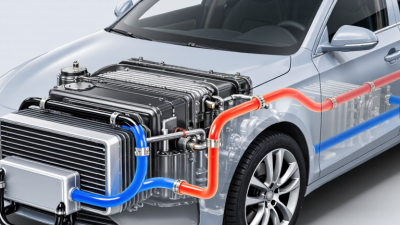
In a common layout, hot fluid leaving the torque converter passes through the transmission oil cooler before returning to the transmission circuit. The cooler transfers heat to air or engine coolant. The temperatures shown are illustrative, not specifications; actual readings and routing vary by vehicle and operating conditions.
Radiator-Integrated and Standalone Cooler Designs
What Is a Transmission Oil Cooler?
Radiator-Integrated and Standalone Cooler Designs
A transmission oil cooler removes heat from automatic transmission fluid as it circulates. Many vehicles use a small heat exchanger built into the radiator’s tank. Hot fluid passes through narrow internal channels, while engine coolant carries heat away. This compact arrangement needs little extra space and can help warm the fluid in cold weather. It sounds simple. It isn’t always.
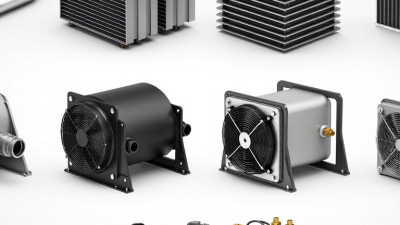
A standalone air-to-oil cooler uses thin metal tubes and fins, often mounted where moving air can reach it. At highway speed, airflow helps shed heat; during slow traffic, cooling may be less effective. This design can suit vehicles that tow or work hard, but results depend on placement, airflow, and the rest of the cooling system. A cooler that is too large, or lacks a suitable temperature-control valve, may keep fluid colder than intended in chilly conditions.
The two designs can also be combined, though more parts mean more connections to inspect. Look for damp fittings, damaged lines, or fins blocked by road debris. Cooler choice should match the vehicle, its operating conditions, and the manufacturer’s service guidance. A detail easy to overlook: transmission fluid temperature is only useful when measured correctly, at the specified test point and under the specified conditions.
Typical ATF Operating Temperatures: 175–200°F (79–93°C)
What Is a Transmission Oil Cooler?
Typical ATF Operating Temperatures: 175–200°F (79–93°C)
Automatic transmission fluid (ATF) often operates between 175°F and 200°F. At this range, it can lubricate moving parts and transfer hydraulic pressure as designed. SAE technical literature identifies heat as a major factor in ATF oxidation and fluid breakdown. ATRA service-training guidance also cites a rule of thumb: every 20°F above 175°F may roughly halve fluid service life. Treat that estimate cautiously; driving conditions and transmission design matter. Still, repeated high temperatures deserve attention. A hot stop-and-go commute can raise fluid temperature, while a cooler helps remove excess heat.
Tips: Check the vehicle’s temperature reading under similar driving conditions. Look for leaks or blocked airflow around the cooler. Don’t judge by smell alone.
A cooler uses airflow, or sometimes the vehicle’s coolant circuit, to carry heat away from ATF. For example, fluid passing through a radiator-mounted cooler gives up heat before returning to the transmission. Temperature readings can briefly rise during towing or steep climbs; persistent readings above the usual range are more concerning. The 175–200°F band is a useful reference, not a universal pass-or-fail limit. I’d compare readings with the vehicle’s service information before changing parts. A small detail can matter: a kinked line may restrict flow without an obvious warning.
How Vehicle Load and Cooler Capacity Affect Transmission Temperatures
What Is a Transmission Oil Cooler?
How Vehicle Load and Cooler Capacity Affect Transmission Temperatures
A transmission oil cooler transfers heat from automatic transmission fluid to air or engine coolant. Its value becomes clear on a steep grade, with a loaded trailer, or in stop-and-go traffic. Each condition can increase heat from clutch slip and hydraulic work. More load means more heat to remove, but a larger cooler alone cannot guarantee safe temperatures. Airflow, coolant temperature, hose routing, and fluid condition all matter.
Temperature readings need context. ASTM D445 measures lubricant viscosity at 40°C and 100°C, showing why engineers compare fluid behavior at defined temperatures rather than relying on vague “hot” readings. SAE technical literature also evaluates transmission fluids under controlled thermal and oxidation tests; those results are useful, but they do not set one universal safe vehicle temperature. Check the vehicle maker’s operating limits, then log fluid temperature during the actual task. A sensor near the transmission outlet can reveal heat spikes that a dashboard gauge may miss. If readings keep climbing during a steady climb, cooler capacity or airflow may be inadequate. Still, a temperature dip after adding a cooler is not proof of a lasting fix; verify readings under the same load, speed, and ambient conditions.