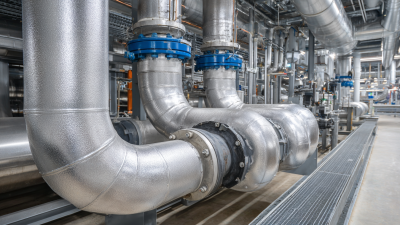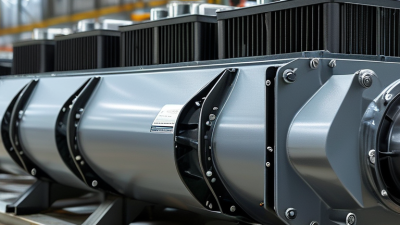
Choosing a Copper Engine Radiator is not simply a matter of selecting the thickest core. Buyers must match radiator design with engine output, vehicle space, climate, and maintenance habits. A compact roadster may need a lightweight two-row radiator, while a towing vehicle often requires a deeper three-row core. The wrong choice can create overheating, poor airflow, or unnecessary weight.
Cooling-system engineer Dr. John B. Heywood is often associated with a practical principle: “Thermal performance depends on the complete system, not one component alone.” That idea guides this Top 10 Copper Engine Radiator Types for Buyers overview. Each radiator type is examined through useful details, including tube width, fin spacing, core thickness, tank construction, mounting position, and coolant compatibility. These features matter when a vehicle faces steep roads, long idling periods, dusty workshops, or high summer temperatures.
Real-world buying is less perfect. Manufacturer data can be incomplete. “Looks heavy” is not a testing method. A polished copper surface may attract attention, yet airflow and internal passage design usually matter more. Buyers should also check hose alignment, pressure ratings, fan clearance, and replacement-part availability before ordering. Old engines may require careful flushing, because loose scale can restrict narrow tubes.
This guide compares traditional copper-brass radiators, high-efficiency multi-row designs, compact racing units, crossflow layouts, downflow layouts, and custom-built options. The best Copper Engine Radiator is the one that fits the engine, the vehicle, and the owner’s actual driving conditions. Not the most expensive one. Sometimes, the simplest choice is still the safest.
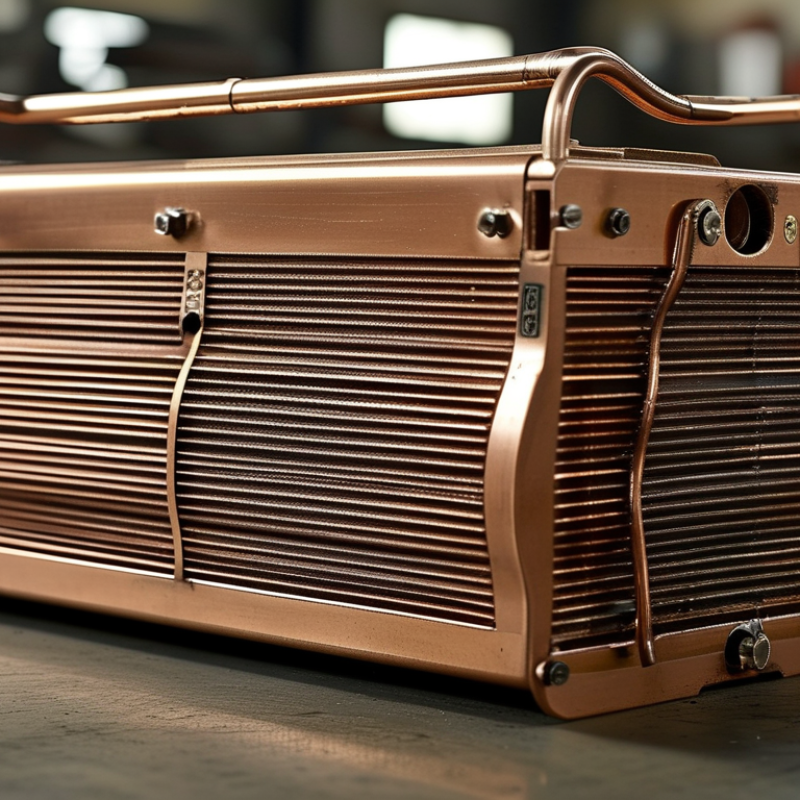
Copper engine radiators transfer heat from coolant to moving air. Hot coolant enters the radiator core, where thin tubes carry it across many metal fins. Air removes heat as the vehicle moves or as a fan operates. The cooled liquid then returns to the engine. Copper conducts about 401 W/m·K at room temperature, according to the Copper Development Association. That high conductivity supports rapid heat spreading.
The ten common choices include copper-brass, tube-and-fin, plate-fin, serpentine, crossflow, downflow, soldered, brazed, heavy-duty, and competition radiators. Each design changes airflow, coolant volume, repairability, or pressure tolerance. Crossflow layouts often suit modern engine bays. Downflow designs remain useful where vertical space is available. Brazed joints can reduce leakage risks, but poor manufacturing still causes failures.
The trade-off is easy to miss. Copper is thermally efficient, yet it is heavier than aluminum. The International Aluminium Institute reports aluminum density near 2.7 g/cm³, while copper is about 8.9 g/cm³. That difference affects vehicle weight. Workshop inspections also show that blocked fins, weak fans, and contaminated coolant can defeat a high-quality core. A radiator should match the engine’s heat load, mounting space, coolant chemistry, and service conditions. No single type wins every application.
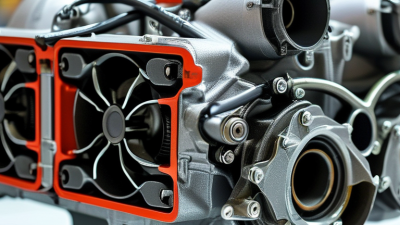
Top 10 Copper Engine Radiator Types for Buyers?
The Ten Main Copper Radiator Types for Different Engines
Copper radiators remain useful where repairability, heat transfer, and rugged construction matter. The first type is the tubular radiator, suited to ordinary passenger engines. The second is the cellular radiator, with a dense honeycomb core. It cools effectively but can collect dirt quickly. The third is the tube-and-fin radiator, which balances cost and airflow. The fourth is the serpentine-fin design, offering more fin contact in limited spaces. The fifth is the plate-fin radiator, built for compact engine compartments. It is efficient, though delicate fins may bend during cleaning.
The sixth type is the crossflow radiator, using side tanks for controlled coolant movement. The seventh is the downflow radiator, which works well in traditional engine layouts. The eighth is the high-efficiency racing core, designed for sustained heat loads and strong airflow. The ninth is the split-flow radiator, helping manage uneven cooling across large engines. The tenth is the radiator with an integrated oil-cooling section, useful for engines facing heavy towing or industrial duty.
Check core thickness, tube condition, fin spacing, and mounting alignment before buying. A larger core is not always better. It may restrict airflow or exceed the vehicle’s available space. In practical inspections, blocked fins often cause more trouble than poor radiator size. Copper also demands careful handling because soft fins can deform easily. One overlooked detail is coolant compatibility. Follow the engine maker’s specification, then inspect leaks after installation. Perfect selection is difficult; real operating conditions can challenge even careful calculations.
| No. | Copper Radiator Type | Typical Engine or Vehicle Use | Core and Flow Arrangement | Main Advantages | Buyer Considerations |
|---|---|---|---|---|---|
| 1 | Conventional Downflow Copper-Brass Radiator | Older passenger cars, classic vehicles, agricultural machinery, and many naturally aspirated engines. | Coolant enters the upper tank, moves downward through vertical tubes, and exits through the lower tank. | Simple construction, easy visual inspection, repairable soldered joints, and broad compatibility with older cooling systems. | Check mounting points, cap position, hose locations, pressure rating, and available space above the engine. |
| 2 | Crossflow Copper-Brass Radiator | Modernized classic cars, performance vehicles, and engine bays with limited vertical clearance. | Coolant flows horizontally between side tanks through the core rather than vertically from top to bottom. | Lower overall height, flexible tank placement, and suitability for engines with a lower hood line. | Confirm inlet and outlet sides, filler-neck height, airflow direction, and compatibility with the thermostat housing. |
| 3 | Tube-and-Fin Copper Radiator | Light-duty vehicles, small industrial engines, motorcycles, and applications where low weight is important. | Parallel copper tubes are connected by thin metal fins that transfer heat to passing air. | Lightweight, relatively simple, and capable of being produced in many shapes and sizes. | Usually has less fin contact area and lower airflow resistance than some denser designs; verify cooling capacity for high-load engines. |
| 4 | Serpentine-Fin Copper Radiator | Passenger vehicles, replacement radiators, and engines requiring a compact core with good fin coverage. | A continuous corrugated fin is formed between the tubes, creating repeated air passages across the core. | Good fin-to-tube contact, efficient use of frontal area, and compatibility with many standard radiator layouts. | Thin fins can be damaged by debris or pressure washing; inspect fin density, tube rows, and airflow restriction. |
| 5 | Plate-Fin Copper Radiator | Heavy-duty engines, stationary equipment, off-road vehicles, and high-load applications. | Flat or formed plates and fins create broad heat-transfer surfaces, often with multiple tube passages. | Strong construction, effective heat transfer, and good resistance to vibration when properly supported. | Can be heavier and more restrictive to airflow; match the design to the fan capacity and available mounting strength. |
| 6 | Single-Pass Copper Radiator | Small engines, low-load vehicles, generators, and systems with adequate radiator width. | Coolant travels through the core once from the inlet tank to the outlet tank. | Low coolant-flow restriction, straightforward plumbing, and easier servicing. | Requires sufficient core area and airflow; it may be unsuitable where the radiator must be very compact. |
| 7 | Dual-Pass or Multi-Pass Copper Radiator | Performance engines, turbocharged engines, and vehicles needing higher heat rejection from a limited frontal area. | Internal baffles direct coolant through the core more than once before it reaches the outlet. | Increases coolant travel through the core and can improve heat transfer in a compact package. | Creates greater flow resistance; verify water-pump capability, hose routing, baffle position, and engine temperature requirements. |
| 8 | Heavy-Duty Copper Radiator with Reinforced Core | Diesel engines, commercial vehicles, construction equipment, tractors, and continuous-duty machinery. | Uses thicker tubes, reinforced headers, robust tanks, and a core designed for sustained heat loads and vibration. | Durable, repairable, and suitable for demanding operating environments when correctly sized. | Weight, mounting strength, fan shroud clearance, coolant capacity, and vibration isolation are especially important. |
| 9 | Compact Auxiliary Copper Radiator | Motorcycles, compact generators, hybrid auxiliary loops, intercooler circuits, and supplemental cooling systems. | A small tube-and-fin or plate-fin core is installed separately from the main engine radiator. | Flexible installation, independent circuit options, and useful where the main radiator cannot be enlarged. | Do not use as a substitute for an undersized main radiator without calculating heat load, airflow, and coolant flow. |
| 10 | Copper Radiator with Integrated Oil-Cooler Circuit | Automatic-transmission vehicles, towing vehicles, industrial engines, and engines requiring additional fluid cooling. | The main coolant core includes a separate internal cooler or dedicated fittings for transmission or engine oil. | Combines engine cooling and auxiliary fluid cooling in one package, reducing installation space and hose runs. | Confirm the correct fluid circuit, fitting type, pressure rating, internal cooler size, and whether separate filtration is required. |
Note: Copper engine radiators commonly use copper tubes and fins with brass tanks or headers. Actual cooling performance depends on core size, tube and fin configuration, coolant flow, fan capacity, airflow, operating load, and installation conditions.
When comparing copper engine radiators, start with core design, not the advertised tube count. A serpentine core is compact and suits limited spaces. Tube-and-fin cores usually offer simple airflow and easier servicing. Plate-fin designs can improve heat transfer, but clogged fins quickly reduce performance. Crossflow and downflow layouts suit different hose positions and engine bays. For heavy engines, wider multi-row cores may handle sustained loads better. More rows are not always better. Tight fin spacing can restrict airflow.
Cooling capacity depends on coolant flow, air velocity, ambient temperature, and engine output. Ask for tested heat-rejection data under defined conditions. A radiator rated at 30 kW means little without inlet temperature and airflow details. Check tank volume, tube diameter, fin density, and pressure rating. During field checks, measure temperatures before and after the core during real workloads. Short tests can mislead. An idle test proves almost nothing.
Construction strongly affects service life. Look for evenly brazed joints, straight fins, reinforced mounts, and corrosion-resistant copper alloys. Solder quality matters around tanks and hose necks. Inspect thin walls and rough seams; low weight can hide weak construction. Copper repairs well, yet vibration may reopen a patched joint. Verify dimensions, cap fit, and drain access before ordering. My comparison sheets sometimes overvalue cooling figures and undervalue installation time. That mistake is expensive. Match the radiator to actual duty cycles, not catalog language.
Choosing among the top ten copper engine radiator types depends on the vehicle, engine output, and working environment. A crossflow radiator suits many modern engine bays with limited height. A downflow design works well where vertical space is available. Single-row cores provide efficient cooling for standard engines, while double-row and triple-row cores offer greater heat capacity. However, more rows can restrict airflow and add weight.
Copper-brass radiators with soldered tube-and-fin cores are repairable and suitable for older vehicles. Serpentine-fin cores provide strong airflow performance with fewer parts. Plate-fin designs can improve heat transfer, but their construction may be less forgiving after impact. V-tank, angled-tank, and custom-height radiators help solve unusual installation problems. Measure the mounting points carefully. A perfect core still fails if hose outlets do not align.
Operating conditions matter more than appearance. Heavy towing, slow traffic, and hot climates require generous coolant capacity and reliable airflow. Off-road vehicles may need thicker fins, guarded fittings, and stronger mounting brackets. Salt exposure also deserves attention, even when the radiator looks clean. A common mistake is choosing the largest radiator available. That choice can reduce airflow or create clearance problems. Check the engine’s heat load, fan position, hose routing, pressure rating, and available space before buying. Recheck those measurements. Memory is unreliable.
Which copper radiator fits your vehicle and operating conditions?
The chart compares representative core thicknesses commonly used in copper-brass engine radiators. Thicker cores generally provide greater heat-transfer capacity, but vehicle fitment, airflow, tube design, fin density, coolant flow, and operating conditions must also be considered. Actual dimensions vary by vehicle and radiator application.
Buyer Checks for Materials, Compatibility, Maintenance, and Cost
Copper engine radiators come in several useful designs. Common options include tube-and-fin, plate-and-fin, crossflow, downflow, soldered, brazed, compact, heavy-duty, custom-fit, and racing-style radiators. Each design manages heat differently. Tube-and-fin models are often easier to repair, while plate-and-fin versions may offer stronger cooling performance. Brazed joints usually resist vibration well, but repairs can require greater skill.
Check the core material carefully. A copper core may use brass tanks, copper tubes, or mixed-metal fittings. Ask for thickness, fin density, and joint construction. Very dense fins can improve heat transfer, but they may collect dust quickly. Compatibility matters just as much. Compare mounting points, hose positions, inlet size, outlet size, fan clearance, and coolant capacity. A radiator that fits the engine may still interfere with the steering or electrical fan.
Maintenance affects the real cost. Inspect the core after driving on gravel roads. Bent fins reduce airflow, even when the radiator looks clean. Use the recommended coolant mixture and check for green residue around joints. Flush the system when contamination appears. I have seen buyers focus on purchase price and overlook installation changes. That mistake can double the budget. Calculate the radiator, hoses, brackets, fan, coolant, labor, and future repairs together. No checklist is perfect. A small compatibility detail can change the whole decision.