Leave Your Message

China Best Oil Cooler Manufacturers for Global Buyers?

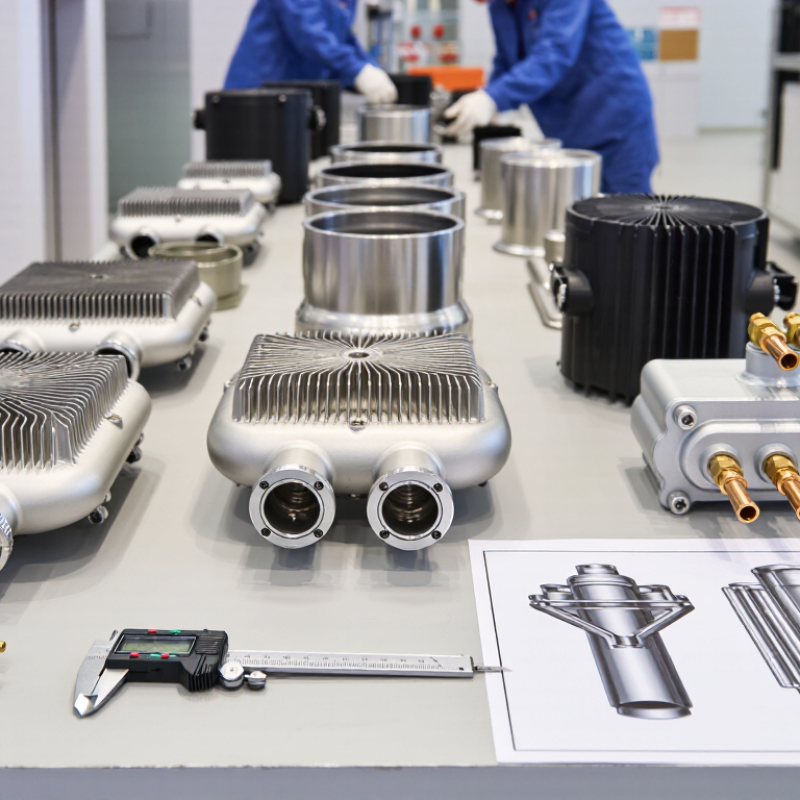
Choosing the right Oil Cooler manufacturer in China requires more than comparing prices on a supplier website. Global buyers need reliable performance, clear communication, and evidence of consistent production. A cooler may look simple, yet its tube design, alloy selection, brazing quality, and pressure resistance affect equipment safety and service life.

This guide examines China’s leading Oil Cooler manufacturers from a practical purchasing perspective. It considers factory experience, engineering capability, product testing, customization, and export support. Buyers should request drawings, material specifications, pressure-test records, and sample units before placing larger orders. A useful sample review includes checking port dimensions, fin spacing, weld appearance, and packaging protection. Small details matter.

No supplier is perfect. Some manufacturers offer strong pricing but limited technical support. Others provide advanced designs but require higher minimum order quantities. This difference can challenge smaller importers. Reliable evaluation should include factory audits, production photographs, response times, and references from comparable industries. Buyers should also confirm applicable quality systems and certification documents independently.

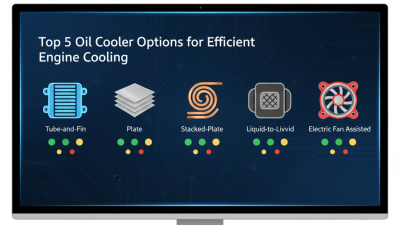
The manufacturers discussed here serve applications such as hydraulic machinery, construction equipment, agricultural systems, air compressors, and industrial engines. Their strengths may differ in aluminum plate-fin units, shell-and-tube models, or custom hydraulic coolers. A thoughtful comparison helps buyers balance efficiency, durability, lead time, and total ownership cost. The goal is not to find the cheapest supplier. It is to find a capable partner that communicates clearly and delivers repeatable quality. Further verification remains essential.
China Best Oil Cooler Manufacturers for Global Buyers?

Oil Cooler Fundamentals: Air, Water, and Plate Designs for 20–35 bar Systems

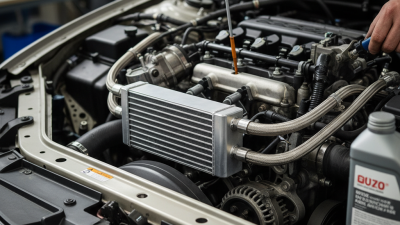
For global buyers, oil cooler selection begins with the system’s real operating conditions. A 20–35 bar circuit needs more than a catalog pressure rating. Check continuous pressure, start-up surges, oil viscosity, flow rate, and allowable pressure drop. In field commissioning, a small pressure loss can reduce actuator speed and increase pump loading.

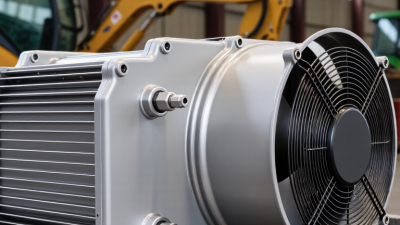
Air-oil coolers use ambient air and a fan. They suit mobile equipment and installations without clean cooling water. Their performance changes with dust, airflow, and outdoor temperature. Keep the core accessible for cleaning.

Water-oil coolers transfer heat through tubes, making them compact and steady in warm environments. However, water quality matters. Sediment, corrosion, or freezing can shorten service life. Include strainers and suitable drain points.

Plate coolers offer high heat transfer in a small package. Their narrow passages demand clean fluids and careful filtration. Gaskets also require compatibility with the oil, temperature, and pressure range. For 35 bar service, confirm the pressure rating on both circuits, not only the oil side.

Allow room for thermal expansion and maintenance. I have seen installations fail because the cooler was technically suitable, but the connections faced the wrong direction. That was an avoidable mistake.

During testing, record inlet and outlet temperatures, flow, pressure drop, and leak results. A slightly oversized cooler may be safer, though excessive capacity can encourage poor temperature control.
Performance Metrics: Heat-Rejection Capacity, Pressure Drop, and 40°C Ambient Tests

China Best Oil Cooler Manufacturers for Global Buyers?

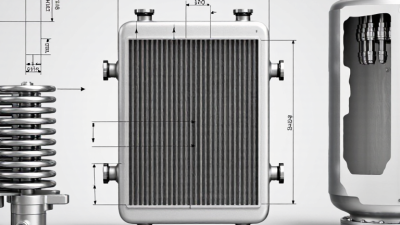
For global buyers, oil cooler performance should be judged by measured data, not attractive catalog claims. Heat-rejection capacity shows how much thermal energy the cooler removes, usually in kilowatts. A reliable test records oil flow, inlet temperature, outlet temperature, and airflow. These details make comparisons more meaningful.

Pressure drop matters just as much. Excessive resistance can reduce pump efficiency and raise operating costs. During a 40°C ambient test, the cooler should operate under realistic oil viscosity, flow, and fan conditions. I have seen impressive capacity figures produced with unusually high airflow. That result may not reflect field performance. Testing must include calibrated sensors, stable temperatures, and traceable records. Small errors can change the conclusion.

Tips: Ask manufacturers for complete test curves, not one peak value. Check heat rejection at your actual flow rate. Review pressure drop across the full operating range. Confirm whether the 40°C test used natural or forced airflow. Request repeat-test results when possible. A good supplier should explain limitations clearly, including noise, fouling, and installation effects. Do not ignore them. Performance claims become more trustworthy when test methods are transparent and independently reviewed.

China Best Oil Cooler Manufacturers for Global Buyers? - Performance Metrics: Heat-Rejection Capacity, Pressure Drop, and 40°C Ambient Tests

Cooler Configuration Typical Application Test Oil Flow Oil Inlet Temperature Ambient Air Temperature Heat-Rejection Capacity Oil-Side Pressure Drop Airflow / Test Condition
Compact Stacked-Plate Passenger vehicles and light-duty hydraulic systems 10 L/min 100°C 40°C 3.5–5.0 kW 0.25–0.45 bar Forced airflow; approximately 3,000 m³/h across the test core
Medium Stacked-Plate Automatic transmission and agricultural machinery 20 L/min 110°C 40°C 7.0–10.0 kW 0.35–0.65 bar Forced airflow; approximately 5,000 m³/h across the test core
Large Stacked-Plate Construction equipment and industrial power units 40 L/min 110°C 40°C 14–20 kW 0.45–0.85 bar Forced airflow; approximately 8,000 m³/h across the test core
Tube-and-Fin with Fan Engine oil, hydraulic oil, and mobile equipment 30 L/min 100°C 40°C 8–13 kW 0.20–0.50 bar Electric fan operating at rated voltage; airflow verified at the core face
Heavy-Duty Tube-and-Fin Mining, forestry, and high-duty-cycle machinery 60 L/min 110°C 40°C 18–28 kW 0.35–0.75 bar High-volume forced airflow with fan shroud installed
Oil-to-Water Plate Heat Exchanger Marine systems, compressors, and stationary hydraulics 25 L/min oil 100°C 40°C 10–16 kW 0.30–0.60 bar Cooling-water inlet at 30°C; water flow maintained at approximately 35 L/min
High-Capacity Plate-and-Bar Large hydraulic power packs and industrial transmissions 80 L/min 120°C 40°C 28–40 kW 0.50–0.90 bar Forced airflow; core and fan tested as an assembled cooling module
Low-Pressure Auxiliary Cooler Power-steering, lubrication, and return-line circuits 8 L/min 90°C 40°C 2.0–3.5 kW 0.10–0.25 bar Natural or low-speed forced airflow; designed to minimize pump load
Test interpretation: Heat-rejection values are representative engineering ranges calculated from oil flow, oil temperature, and measured temperature reduction under controlled 40°C ambient conditions. Actual performance depends on oil viscosity, fin density, airflow, installation position, fouling, fan performance, and system pressure. Pressure-drop values refer to the oil circuit only and should be verified using the final oil grade and operating flow rate.

Chinese Manufacturer Standards: API 661, ASME VIII, PED, CE, and ISO 9001

For global buyers, the best oil cooler manufacturer is not selected by price alone. It must demonstrate practical control over design, materials, welding, testing, and documentation. API 661 is relevant when the cooler uses air-cooled heat exchanger practices for petroleum and petrochemical service. It helps buyers review thermal design, mechanical construction, and inspection requirements.

ASME Section VIII supports pressure vessel design and fabrication where applicable. PED compliance is important for equipment entering the European market. CE marking should reflect a documented conformity assessment, not merely a printed symbol. ISO 9001 shows that the manufacturer operates a quality management system, but it does not guarantee perfect product performance. Buyers should request the certificate scope and validity.

On a real project, detailed records matter. Ask for material certificates, weld maps, pressure-test reports, non-destructive examination results, and dimensional inspection data. Factory acceptance testing can verify oil flow, leakage control, vibration, and heat-transfer performance. Independent inspection adds useful evidence. Small errors still occur. Serial numbers may differ between drawings and certificates. Revision control can also be weak. That deserves attention. Experienced buyers compare every document with the nameplate and approved drawing. They also confirm whether testing follows the required edition of each standard. A professional Chinese manufacturer should welcome these checks and explain any technical limitation clearly. Reliability is built through traceable evidence, not confident promises.

Supplier Evaluation: 10–1,000 kW Capacity, MOQ, Lead Time, and Warranty

China Best Oil Cooler Manufacturers for Global Buyers?

Supplier evaluation should begin with operating duty, not catalog price. A 10 kW cooler for a compact hydraulic unit needs different testing from a 1,000 kW marine system. The 2024 Mordor Intelligence Heat Exchanger Market report estimates continued global expansion through 2029, driven by industrial energy and process upgrades. That growth increases supplier choices, but not necessarily supplier quality. Request heat-load calculations, oil viscosity ranges, inlet temperatures, pressure-drop curves, and material certificates. A practical supplier should explain its test bench. Ask for thermal performance data at your actual oil flow, not only a laboratory headline.

MOQ and lead time expose production discipline. For standard 10–50 kW units, buyers may accept a small MOQ, such as one to five pieces. Custom 500–1,000 kW packages often require drawings, inspection points, and longer procurement cycles. A 2024 Thomasnet industrial purchasing report highlights delivery reliability as a major sourcing concern. Set milestones: technical approval, drawing release, factory testing, and shipment. Typical lead times may range from three to twelve weeks, but imported motors, fans, or special alloys can extend schedules. Get this in writing. Verbal promises age badly.

Warranty terms need engineering detail. Twelve months after shipment is common, yet a stronger offer defines exclusions, response time, replacement parts, and commissioning support. ISO 9001 certification supports process control, but it does not prove cooler performance. I would still inspect sample records. One weak point remains: many buyers compare price before lifecycle cost. That mistake can be expensive.

China Oil Cooler Supplier Evaluation: Capacity, MOQ, Lead Time and Warranty

Typical procurement benchmarks for industrial oil coolers across 10–1,000 kW capacity ranges. MOQ is measured in units, lead time in calendar days, and warranty in months.

Larger-capacity systems generally require longer production and testing cycles, while standard units can often be purchased in smaller quantities with shorter lead times. Warranty terms shown represent common industrial supplier offers.

Global Buyer Checklist: Material Grades, Pressure Testing, RoHS, and IP Ratings

For global buyers, selecting an oil cooler manufacturer requires more than comparing catalog prices. Ask for the material grade of every wetted part, including tubes, plates, headers, seals, and fittings. Stainless steel 316L may suit corrosive environments, while aluminum can reduce weight and improve heat transfer. The choice depends on oil chemistry, temperature, vibration, and maintenance access.

Request mill certificates and traceability records. Paperwork matters. Yet documents can contain errors, so match heat numbers against component labels.

Pressure testing should reflect the actual duty, not a convenient workshop routine. Request hydrostatic test pressure, holding time, medium, and acceptance criteria in writing. A witnessed test provides stronger evidence than a simple pass stamp. Ask whether testing occurred after brazing, welding, or final assembly.

Check for leakage around ports and joints. Small seepage becomes expensive. Records should identify the serial number, test date, gauge calibration, and inspector. I have seen specifications that looked complete but omitted test temperature. That gap deserves correction before shipment.

For electrical fans, sensors, or control boxes, request a current RoHS declaration with supporting material evidence. Confirm it covers the supplied configuration, not only a standard model. IP ratings must match dust, splash direction, washdown frequency, and cable entry design. IP65 is not a promise for every environment.

Verify the test standard, enclosure condition, and mounting orientation. Include these checks in the purchase contract. A factory may be technically capable yet weak in record control; that risk should be priced, monitored, and reviewed before approval.