How to Choose the Right Oil Cooler for Your Engine Needs?
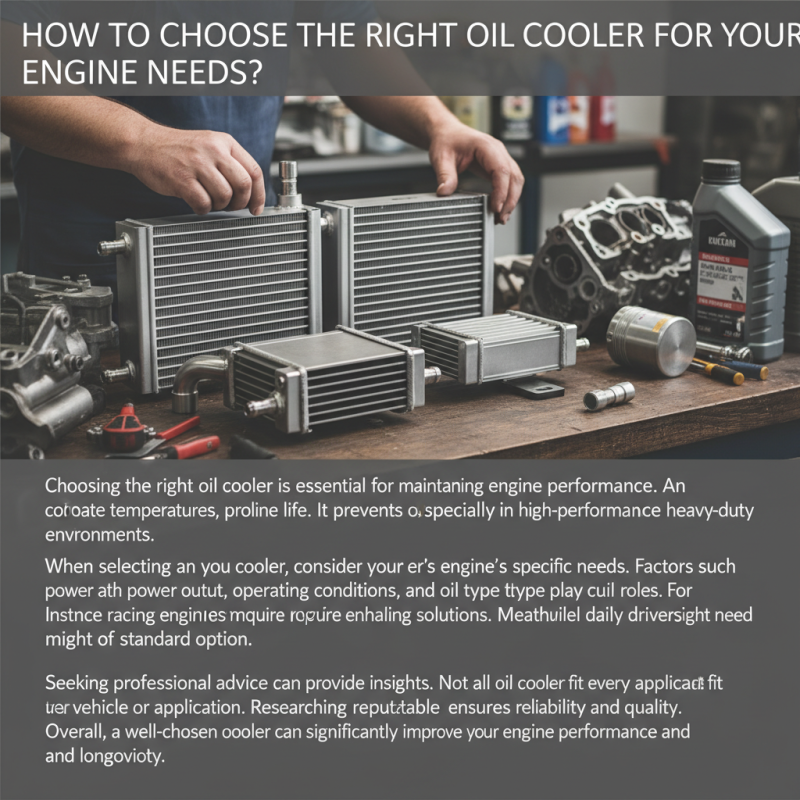
Choosing the right oil cooler is essential for maintaining engine performance. An effective oil cooler helps regulate temperatures, prolonging engine life. It prevents overheating, especially in high-performance or heavy-duty environments.
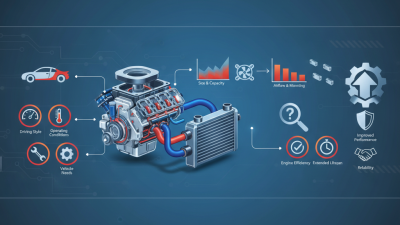
When selecting an oil cooler, consider your engine’s specific needs. Factors such as power output, operating conditions, and oil type play crucial roles. For instance, racing engines may require enhanced cooling solutions. Meanwhile, daily drivers might need a more standard option.
Seeking professional advice can provide valuable insights. Not all oil coolers fit every vehicle or application. Researching reputable brands ensures reliability and quality. Overall, a well-chosen oil cooler can significantly improve your engine's performance and longevity.
Understanding the Purpose of an Oil Cooler in Engine Performance
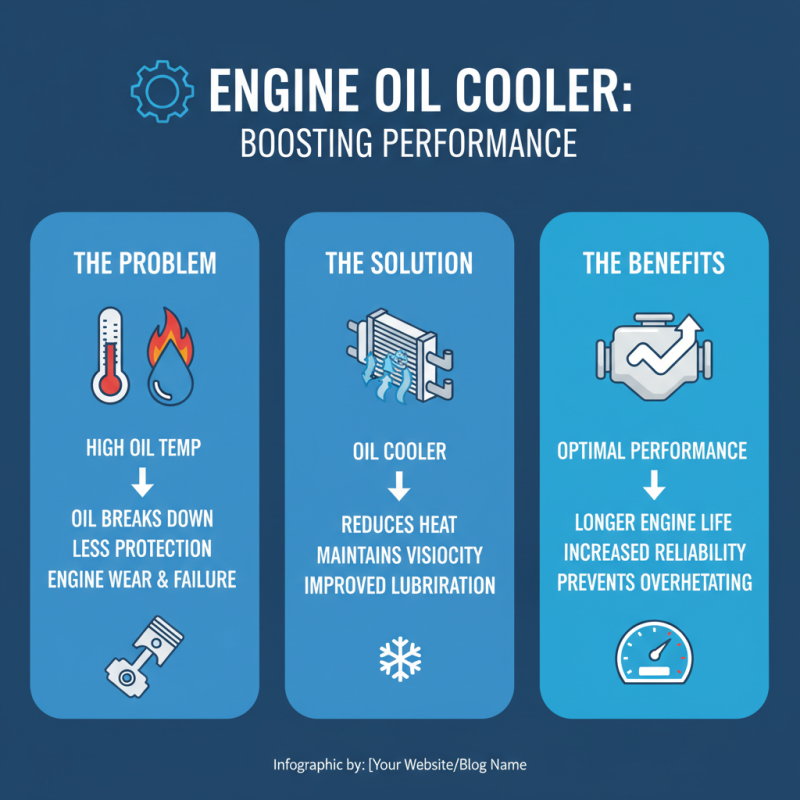
An oil cooler plays a crucial role in maintaining engine performance. It prevents engine oil from overheating during operation, which can be detrimental. When oil temperatures rise too high, it loses its effectiveness, providing less protection to the engine components. This can lead to increased wear and potential engine failure.
Choosing the right oil cooler requires careful consideration of engine needs and driving conditions. A larger oil cooler might seem beneficial, but it can also lead to slower oil heating. In colder climates, this could increase engine wear during startup. A balance must be struck between effective cooling and ensuring that the oil reaches optimal temperature quickly.
Suspending oil in cooler temperatures can also affect viscosity. Drivers must assess their habits and environments. Frequent short trips may need a different setup than long highway drives. Don’t overlook the importance of proper installation and maintenance; poorly mounted coolers can decrease their effectiveness. Reflecting on these factors can lead to better engine longevity and efficiency.
Identifying the Key Specifications for Your Engine Type
When choosing an oil cooler, the engine type plays a crucial role in determining specifications. Different engines generate varying levels of heat. For example, high-performance engines may require coolers that can manage temperatures exceeding 250°F. In contrast, standard engines usually operate optimally between 180°F and 220°F. According to a study from the Society of Automotive Engineers, effective cooling can enhance performance by up to 10%.
Key specifications include size and core material. The size of the cooler affects how much oil it can circulate. A larger cooler tends to provide better heat dissipation. Cooler core materials, such as aluminum or copper, also impact performance. Aluminum is lightweight yet strong, while copper has superior thermal conductivity. However, using copper can increase overall weight. This compromise needs careful consideration based on the vehicle design.
Flow rates matter too. An oil cooler must maintain optimal oil flow for effective cooling. A report by the American Society of Mechanical Engineers highlights that a flow rate of at least 1 GPM (gallon per minute) is essential for most engines. Insufficient flow can lead to inadequate cooling. Selecting the right oil cooler requires understanding your engine's unique requirements. Each factor should be weighed against possible trade-offs.
How to Choose the Right Oil Cooler for Your Engine Needs?
| Engine Type |
Oil Cooler Type |
Cooling Capacity (BTU/hr) |
Installation Type |
Recommended Fluid |
| V8 Gas Engine |
Tube and Fin |
15,000 |
Front Mount |
Synthetic Oil |
| Diesel Engine |
Plate and Frame |
20,000 |
Side Mount |
Mineral Oil |
| Turbocharged Engine |
Air-Cooled |
18,000 |
Rear Mount |
Semi-Synthetic Oil |
| Small Block Engine |
Crossflow |
12,000 |
In-Line Mount |
Full Synthetic Oil |
| Heavy-Duty Truck Engine |
Shell and Tube |
25,000 |
Bottom Mount |
High Mileage Oil |
Evaluating Different Types of Oil Coolers Available on the Market
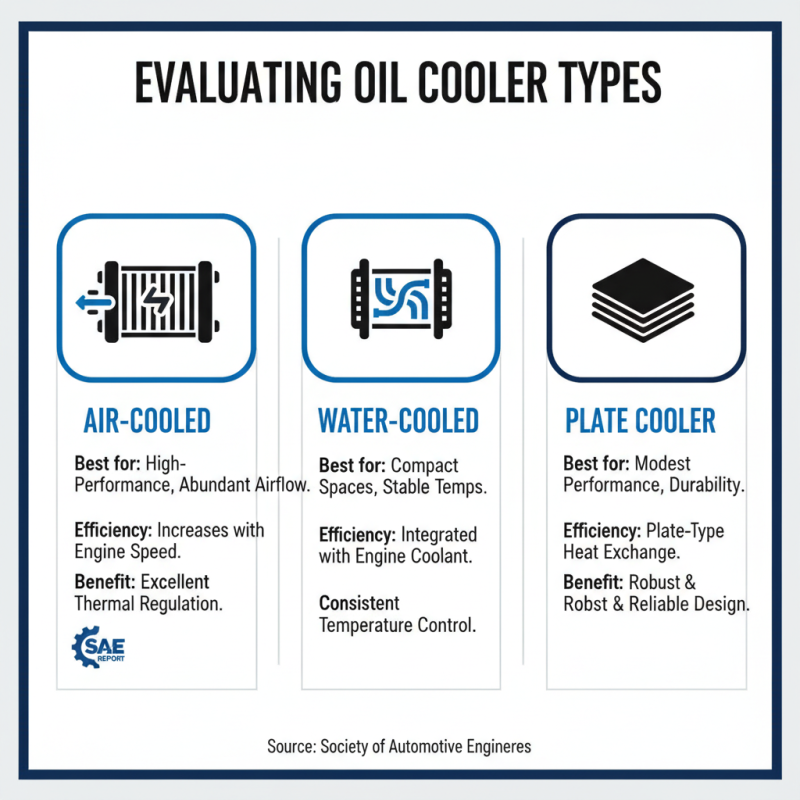
When selecting an oil cooler, it's vital to understand the different types available. The market offers various options such as air-cooled, water-cooled, and plate coolers. Each type has unique characteristics that cater to specific engine needs. A report by the Society of Automotive Engineers highlights that air-cooled oil coolers are best for high-performance applications where airflow is abundant. Their efficiency increases with engine speed, providing excellent thermal regulation during aggressive driving.
In contrast, water-cooled oil coolers excel in maintaining steady temperatures for engines operating in varying conditions. They can remove heat more effectively when integrated into the vehicle's cooling system. However, they may require a more complex setup. A study from Engine Builder Magazine points out that plate coolers are compact and lightweight, ideal for limited-space installations. By moving oil through a series of plates, these coolers maximize surface area for heat exchange.
Ultimately, the choice of oil cooler depends on individual engine requirements. Pros and cons exist for each type. It's crucial to consider aspects like engine size, intended use, and overall vehicle design. Many enthusiasts overlook the importance of compatibility, leading to subpar cooling performance. Careful evaluation and professional consultation can guide you toward a more informed decision in choosing the right oil cooler.
Assessing Factors for Proper Sizing and Mounting of an Oil Cooler
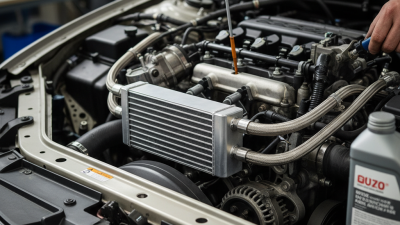
When selecting an oil cooler, the size and mounting location are crucial. Assess your engine’s capacity and the type of oil used. Larger engines typically require more cooling power. Consider the maximum operating temperature and flow rates. Choose an oil cooler that matches these specifications.
Tips: Measure available space before purchasing. Avoid overcrowding in the engine bay. A cooler requires adequate airflow, so ensure ventilation is not obstructed. Bear in mind that insufficient cooling can lead to engine failure over time.
Next, consider the mounting options. An oil cooler can be mounted in various positions. Front-mounted coolers often receive the best airflow. Side-mounted options might be easier but may not perform as efficiently.
Select a location that minimizes the risk of debris damage, especially in off-road conditions.
Tips: Look for adjustable mounting brackets. This flexibility helps accommodate different installations. Always ensure the cooler is securely fixed to prevent movement during operation. Remember, improper installation can undermine the benefits of your new cooler.
Maintenance Tips for Ensuring Longevity of Your Chosen Oil Cooler
Maintaining an oil cooler is critical for maximizing engine performance. Regular inspection can prevent issues like coolant leaks and blockages. Use a flashlight to check for signs of corrosion or wear on hoses and fittings. These elements can greatly affect the cooler's efficiency. According to a study by the Society of Automotive Engineers, proper maintenance can extend the lifespan of an oil cooler by over 30%.
Changing oil regularly is vital. Clean oil improves cooling efficiency and engine performance. Make sure to follow the recommended oil change intervals specific to your engine type. A missed change can lead to sludge buildup. In fact, 25% of engine failures are attributed to poor lubrication practices, indicating a strong need for vigilance and discipline in maintenance routines.
Additionally, monitoring operating temperatures is essential. Use a temperature gauge to ensure your oil cooler is working effectively. Temperatures outside the recommended range can lead to premature failure. If readings are consistently high, consider inspecting the cooling system more frequently. This attention to detail can save you from costly repairs later on. Always keep a log of maintenance activities to track performance trends.