China Top Hydraulic Oil Cooling System Suppliers?
Choosing a China-based Hydraulic Oil Cooling System supplier is not just a price comparison. Heat affects oil viscosity, component wear, and machine uptime. A cooler that is undersized may struggle during long production shifts, especially when ambient temperatures rise or hydraulic loads remain high. Small details matter: check the stated heat-rejection capacity, operating pressure, oil-flow range, and recommended maintenance intervals.
The International Energy Agency’s Energy Efficiency 2023 report identifies industry as a major energy-consuming sector, accounting for about 37% of global energy use. That figure does not measure hydraulic cooling specifically, but it highlights why efficient industrial equipment deserves careful evaluation. For buyers, supplier claims should be checked against test conditions and application data—not just catalogue ratings. Ask whether performance figures assume a particular oil viscosity, inlet temperature, or airflow. Request drawings, material specifications, and documented quality procedures. ISO 4413 provides general safety requirements for hydraulic fluid power systems, but it does not certify a supplier or guarantee cooler performance.
China offers manufacturers serving mobile machinery, machine tools, and industrial power units. Yet no shortlist is perfect. Some product pages leave key test conditions unclear. Compare engineering support, customization capability, spare-parts availability, and export experience alongside price. A practical review of China’s leading suppliers should distinguish verified specifications from marketing language—and identify which manufacturer can support the actual duty cycle, installation space, and service needs.
What Is a Hydraulic Oil Cooling System?
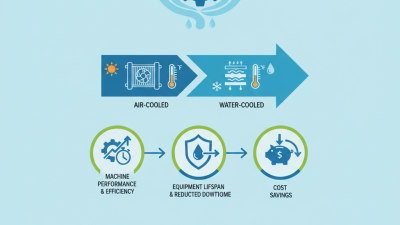
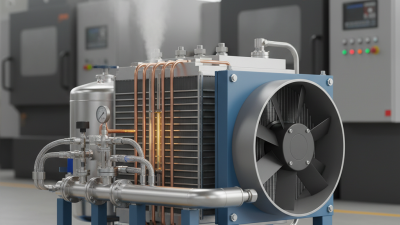
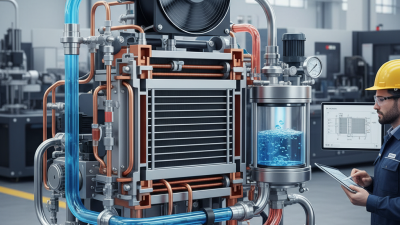
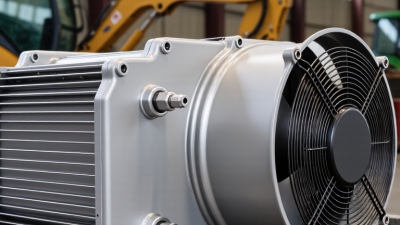
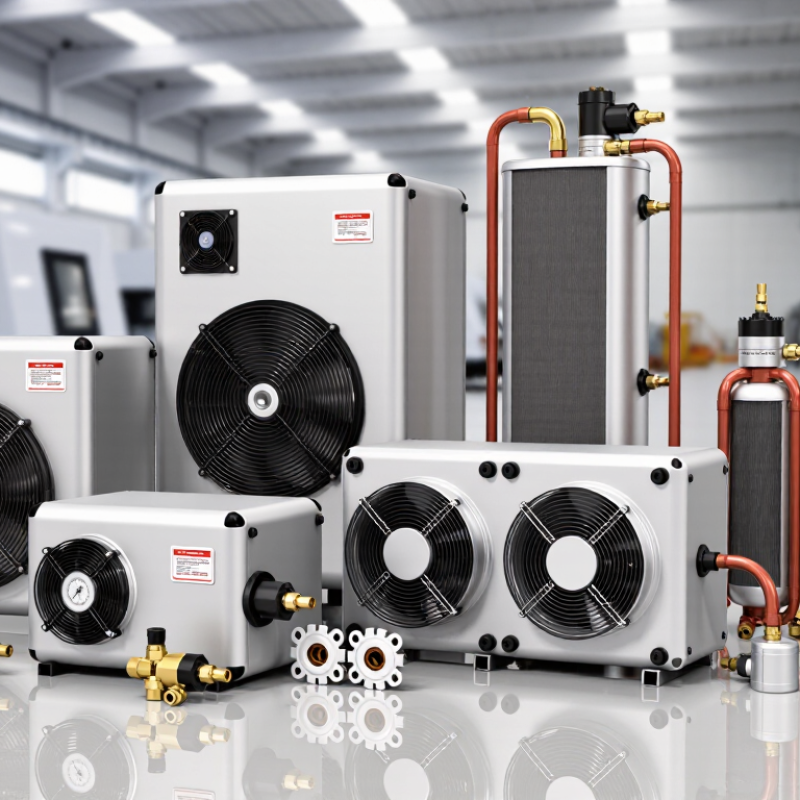
A hydraulic oil cooling system removes heat generated by pumps, valves, friction, and pressure losses. It typically uses an air-oil or water-oil heat exchanger, plus a fan or cooling-water circuit. A temperature sensor or bypass valve can regulate flow and prevent overcooling.
Heat is the enemy.
The operating target depends on the fluid and equipment, not a universal number. ISO 3448 lists ISO VG 46 oil at a nominal kinematic viscosity of 46 mm²/s at 40°C. ASTM D341 provides a method for estimating how petroleum-fluid viscosity changes with temperature.
These figures matter: hot oil thins, which can weaken lubrication and increase leakage; cold oil thickens, raising startup resistance. In practice, check temperatures near the reservoir and cooler outlet, then compare them with the equipment maker’s limits.
A cooler sized only for peak ambient heat may still struggle during long, high-load cycles. That’s an easy detail to miss.
And temperature alone cannot diagnose every problem; dirty filters, poor airflow, or low oil levels can produce similar symptoms.
How Hydraulic Oil Cooling Systems Work
A hydraulic oil cooling system removes heat produced by pump work, internal leakage, and pressure losses. Warm oil flows through a heat exchanger, where heat transfers to moving air or cooling water. The cooled oil then returns to the reservoir or circuit. Simple in principle. Not always simple in practice. A bypass valve can help prevent overcooling during cold starts, while sensors regulate a fan or water flow. System sizing depends on heat load, oil flow, ambient temperature, and acceptable pressure drop.
Tips: Check oil temperature at consistent operating conditions. Compare exchanger inlet and outlet readings, and inspect for blocked fins or restricted water flow. A clean-looking cooler can still be undersized.
If oil remains too hot, seals and fluid may degrade faster, and machine performance can suffer. If it runs too cold, viscosity may rise and make startup harder. Keep the cooler clean, but follow the equipment maker’s maintenance guidance. Temperature readings can also mislead when taken at different loads. That detail is easy to miss, and worth checking before changing components.
Leading Hydraulic Oil Cooling System Suppliers in China
China Top Hydraulic Oil Cooling System Suppliers?
Leading Hydraulic Oil Cooling System Suppliers in China
China’s hydraulic oil cooling suppliers serve machine-tool, construction, and mobile-equipment makers. Shortlisting should start with operating conditions, not catalogue size. Specify oil flow, inlet temperature, ambient temperature, pressure drop, and available space. Ask suppliers for cooling-capacity test results at comparable conditions. A rating without test conditions tells you little. Grand View Research estimated the global hydraulic equipment market at USD 45.6 billion in 2023 and forecast 5.3% annual growth through 2030. This broader market figure signals demand, but it does not rank Chinese cooler suppliers.
For a practical comparison, review heat-exchanger materials, fan or water-side options, cleaning access, and replacement-part lead times. Request drawings, performance curves, and a sample inspection record. Check whether the supplier can explain how dust, vibration, and hot-weather operation affect performance. ISO 9001 certification can support process control, but it cannot replace product testing. Even a well-documented test may not reflect a crowded, dusty installation. That matters.
Tips: Share real duty-cycle data and oil specifications before requesting a quote. Compare heat rejection and pressure drop together; a cooler that removes heat but restricts flow may create another problem. Ask how performance is verified after production changes.
China Hydraulic Oil Cooling System Suppliers: Temperature Benchmarks
Typical hydraulic oil temperature zones to consider when evaluating cooling-system requirements
These broad reference zones are for preliminary comparison, not supplier-specific performance data. Actual temperature limits depend on the hydraulic fluid, equipment, and operating conditions; confirm them against the equipment and fluid manufacturers’ specifications.
How to Choose a Chinese Hydraulic Oil Cooling System Supplier
China Top Hydraulic Oil Cooling System Suppliers?
Choosing a Chinese hydraulic oil cooling system supplier starts with your machine’s actual operating conditions. Record oil flow, expected heat load, ambient temperature, and available space. Small details matter. A cooler sized only from a catalogue may perform poorly in a hot, dusty workshop.
Ask for heat-rejection data at stated oil and air temperatures, plus pressure-drop figures. Check fan voltage, connection sizes, core materials, and service access. Request test records and clear drawings. I would not treat a polished catalogue as proof; figures need context, and test conditions may not match yours exactly. That gap deserves a follow-up question.
Review production quality as well as technical fit. Ask how units are inspected for leaks, whether replacement fans or cores are available, and how lead times are confirmed. If possible, inspect a sample for fin damage, weld consistency, and packaging protection. It takes time. Also compare response quality: a reliable supplier should explain limitations, not promise that one model suits every machine. Keep written specifications and agreed tolerances, even when the conversation feels straightforward.