What is a Heat Exchanger and How Does It Work?
Heat exchangers play a critical role in various industries, from energy production to HVAC systems. According to the International Energy Agency, efficient heat exchangers can enhance energy savings by up to 20%. Their ability to transfer heat between two or more fluids increases process efficiency and reduces operational costs.
Dr. Emma Ross, a leading expert in thermal systems, emphasizes, "Understanding how heat exchangers work is vital for optimizing energy efficiency." This underscores the significant impact that these systems have on sustainability efforts. However, many facilities still underestimate the potential of heat exchangers.
Despite advancements, not all heat exchangers perform optimally. Regular maintenance is often overlooked, leading to inefficiencies. Operators must prioritize this aspect to ensure long-term performance. Acknowledging the potential pitfalls is essential for any organization relying on heat exchanger technology.
What is a Heat Exchanger?
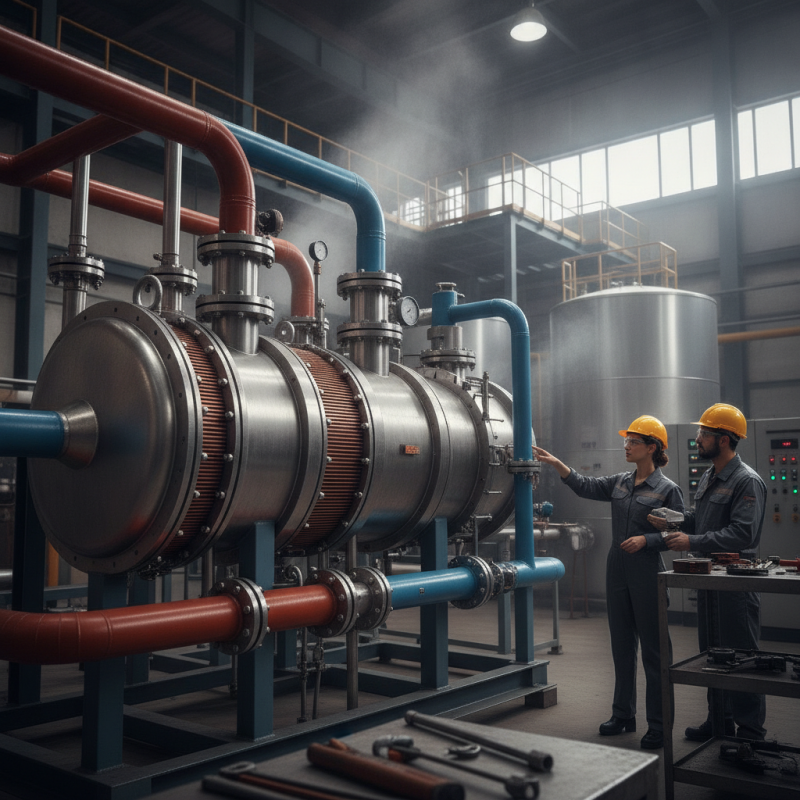
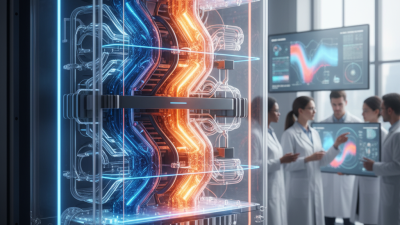
A heat exchanger is a device designed for transferring heat from one fluid to another. It operates without mixing the fluids. This is crucial in many industries, including HVAC, automotive, and food production. Heat exchangers come in various designs, like shell and tube or plate types, tailored to specific applications.
The primary function of a heat exchanger is to efficiently transfer thermal energy. Imagine a car radiator; it cools the engine coolant by passing air through it. This makes engines operate efficiently and prevents overheating. However, not all heat exchangers perform equally. Factors like material choice and design impact efficiency. Some models might cause build-up, reducing heat transfer over time. Regular maintenance is essential to ensure optimal performance.
Understanding how heat exchangers work can inspire improvements in energy efficiency. In environments where many systems rely on them, inefficiencies can lead to increased costs. Are the designs advanced enough? Or do they fall short? This is a question that engineers and designers continuously ponder.
The Basic Principles of Heat Transfer
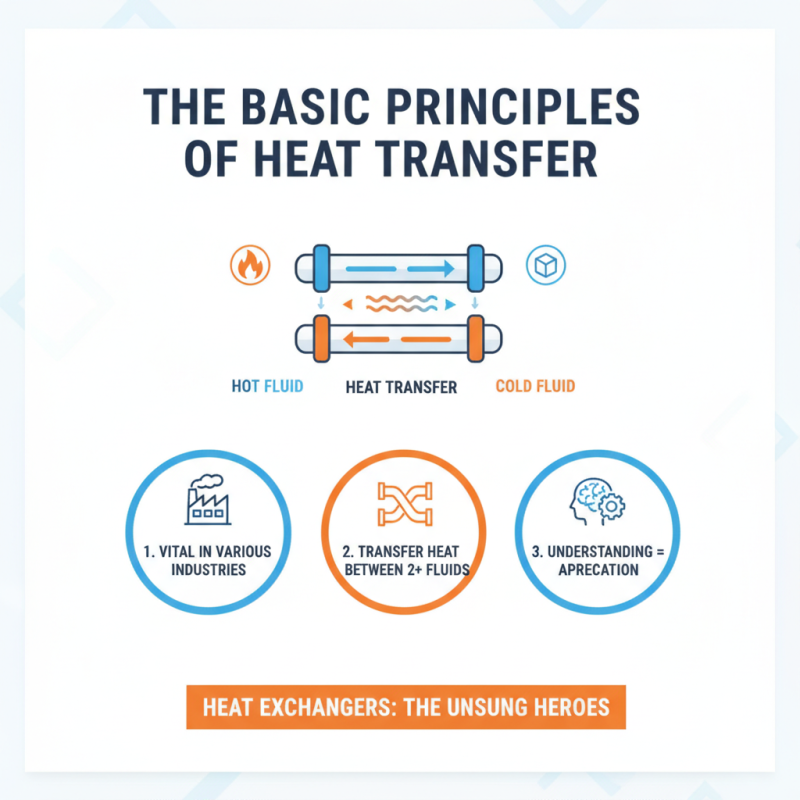
Heat exchangers are vital in various industries. They transfer heat between two or more fluids. Understanding heat transfer principles helps us appreciate their importance.
Heat transfer occurs via conduction, convection, and radiation. In conduction, heat moves through materials. Convection relies on fluid movement. Radiation involves heat traveling through space. Each method plays a role in heat exchangers.
Tips: Always monitor fluid temperatures closely. Small changes can impact efficiency. Consider insulating pipes to minimize heat loss.
Heat exchangers might not be perfect. Sometimes, they can develop leaks. Routine maintenance is crucial. Identify issues before they become serious. Investing in high-quality materials can also improve durability.
Remember, every application differs. Assess your specific needs to determine optimal design. Experimenting with fluid velocities can lead to better efficiency. Each system presents unique challenges and opportunities.
Types of Heat Exchangers and Their Applications
Heat exchangers play a crucial role in various industries. They transfer heat between two fluids, helping to improve energy efficiency. Different types of heat exchangers serve different purposes based on their design and application.
Plate heat exchangers are one popular type. They consist of multiple thin plates arranged closely together. This design enhances heat transfer efficiency and is commonly used in food processing and HVAC systems. Another type is the shell and tube heat exchanger. This has a series of tubes enclosed within a shell. It is widely used in oil refineries and power plants due to its ability to withstand high pressure.
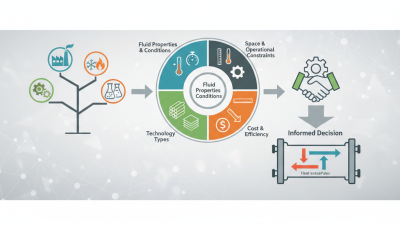
When choosing a heat exchanger, consider the operating conditions. Factors like temperature, pressure, and fluid type are critical. Always consult with an expert to find the best fit for your needs.
Tips: Regular maintenance can extend the lifespan of a heat exchanger. Periodically check for leaks or blockages. Addressing small issues promptly can prevent larger, costlier problems.
Heat Exchangers: Types and Applications
This chart illustrates the various types of heat exchangers and their respective applications, represented as percentages. Shell and tube heat exchangers are the most commonly used, followed by plate heat exchangers, indicating their significant roles in various industries.
How Heat Exchangers Are Designed and Constructed
Heat exchangers are critical components in many industrial processes. The design and construction of these devices must consider various factors. Materials, fluid types, and temperatures all play a role in how they function. Engineers often use software tools to simulate different scenarios, helping select the most suitable designs.
Construction involves meticulous attention to detail. Common materials include stainless steel and copper, chosen for their thermal conductivity and resistance to corrosion. In many cases, manufacturers make prototypes before full-scale production. This approach helps identify potential issues early, ensuring reliability in real-world applications.
Despite advances, designing heat exchangers is a challenge. There can be flaws in the simulation models or unexpected performance in actual conditions. Engineers must regularly review their designs based on performance data. Learning from these issues ensures future improvements in efficiency and effectiveness.
Common Challenges and Maintenance in Heat Exchanger Operation
Heat exchangers are crucial components in various industrial applications. They transfer heat between fluids without mixing them. However, operational challenges often arise. Fouling is a common issue, where dirt and scale accumulate on heat transfer surfaces. According to a recent study, fouling can reduce efficiency by up to 30%. Regular maintenance can mitigate such issues, but it requires attention and expertise.
Another challenge is corrosion, which can compromise the integrity of heat exchangers. A report from the International Journal of Corrosion states that corrosion costs industries over $300 billion annually. Monitoring the materials, and regular inspections can help detect early signs of wear. Despite these needs, many facilities overlook maintenance schedules, leading to costly repairs.
Fluid dynamics can also impact performance. If the flow rate is incorrect, the heat exchanger may not operate effectively. A study indicated that up to 20% of systems fail to achieve optimal flow rates. Training staff on proper operation techniques can significantly improve outcomes. Balancing these elements requires experience and ongoing evaluation of systems. The complexities of heat exchanger maintenance highlight the importance of proactive measures in ensuring efficiency and longevity.