Why Is Heat Exchanger Technology Important for Buyers?
For buyers, Heat Exchanger Technology is more than a choice between models. It affects energy use, operating stability, maintenance work, and the space a system needs. A unit may look suitable on a specification sheet, yet perform poorly when flow rates fluctuate or fluids carry deposits. Small details matter. The connection size, material selection, and cleaning access can shape years of daily operation.
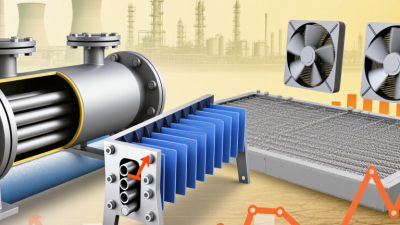
A sound purchasing decision starts with the actual duty: inlet and outlet temperatures, pressure, fluid properties, expected load, and available installation space. Buyers should also ask how performance was tested and what maintenance the design requires. A compact plate exchanger, for example, may suit a clean-water application, while a shell-and-tube design may better handle demanding conditions. The right answer depends on the process, not a product label.
Total cost deserves attention, too. Purchase price is only one part; energy consumption, downtime, spare parts, and service access also affect ownership costs. Ask for clear assumptions behind performance estimates, and check whether stated results match real operating conditions. Not always. Supplier data can be helpful, but it may not capture every site-specific challenge. An honest comparison leaves room for uncertainty and verification. With practical questions and reliable technical support, buyers can select equipment that fits their needs today and remains manageable as conditions change.
What Heat Exchanger Technology Is and How It Works
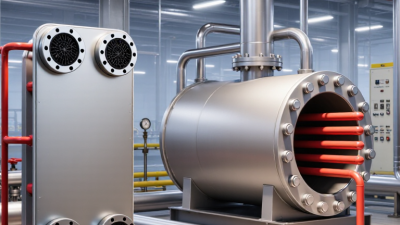
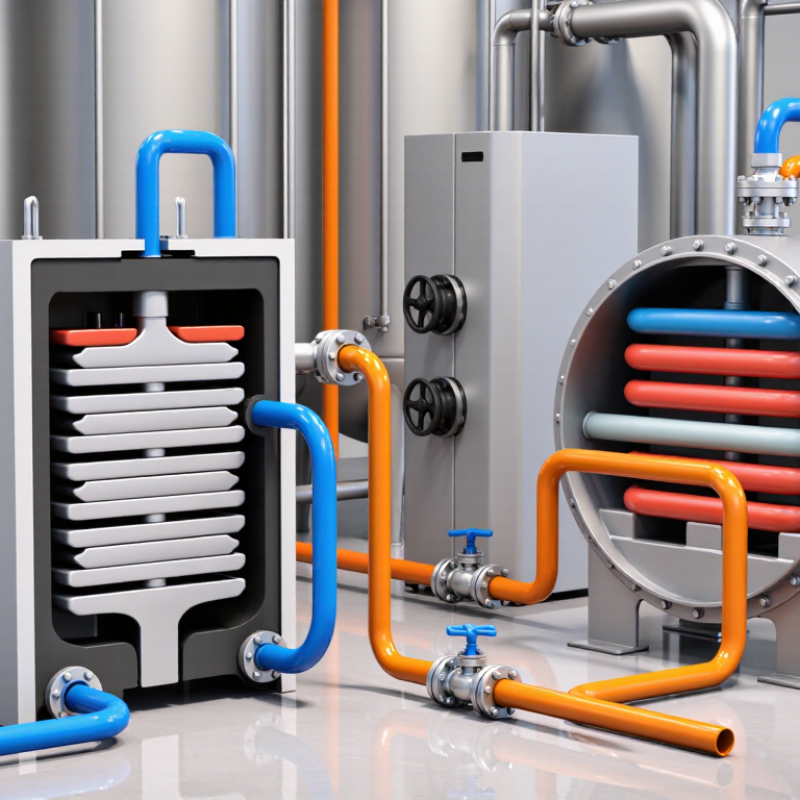
Heat exchanger technology moves thermal energy from one fluid to another without usually mixing them. A solid surface, often metal, keeps the fluids apart. Heat passes through that surface from the warmer side to the cooler side. Heat moves. In a vehicle radiator, hot coolant flows through narrow channels while air passes across the outside. The air carries heat away, helping the engine stay within its operating temperature range.
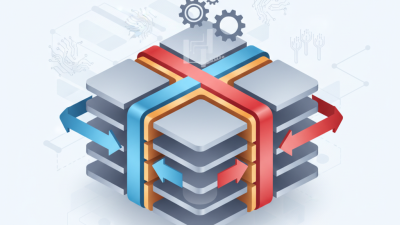
Many units use plates or tubes to create a large contact area in a compact space. Their performance depends on fluid temperatures, flow rates, surface area, and pressure drop. In counterflow designs, the fluids travel in opposite directions, which can support effective heat transfer across much of the exchanger. Deposits can build up over time. That detail is easy to underestimate: fouling may reduce heat transfer and increase pumping demand. Actual results depend on the fluids and operating conditions, so published capacity figures should be checked against the intended application.
Tips: Compare expected inlet and outlet temperatures, flow rates, pressure limits, and cleaning access before choosing a unit. Ask how performance changes with fouling or seasonal conditions. A neat specification sheet cannot replace checking the real process.
Why Heat Exchanger Technology Matters to Buyers
Thermal conductivity of common heat-exchanger construction materials at approximately 20°C (W/m·K)
Higher thermal conductivity can support heat transfer through a material, but it does not determine exchanger performance on its own. Buyers should also consider fluid properties, exchanger design, corrosion resistance, operating conditions, maintenance, and total cost. Values are approximate and vary by alloy and material grade.
How Heat Exchangers Support Industrial and Commercial Systems
Heat exchangers keep industrial and commercial systems working by moving heat between fluids without mixing them. In a food-processing plant, they can cool a hot product before storage. In an office building, they can transfer heat between water loops for heating or cooling. The equipment may sit out of sight, yet its performance affects energy use, process stability, and daily operating costs.
For buyers, the right choice depends on more than heat-transfer capacity. Fluid composition, operating temperature, pressure, available space, and cleaning needs all shape the design. A compact plate unit may suit a clean water loop, while a shell-and-tube unit may handle tougher service. Small details matter. A narrow passage can foul faster when the fluid carries particles, increasing maintenance work and reducing performance. Buyers should review expected pressure drop, materials, inspection access, and service intervals with qualified engineers. These checks help connect equipment specifications to actual site conditions.
There is no perfect choice for every system. Early design data can be incomplete, and estimates may need revision after operating conditions are confirmed. That is worth acknowledging. Asking suppliers for documented performance assumptions and maintenance requirements makes comparisons clearer. It also helps prevent a low purchase price from overshadowing costs that appear later, such as extra cleaning, downtime, or energy demand.
Which Design Features Influence Performance
Heat exchanger performance depends on how its design matches the actual duty, not just its rated capacity. Flow arrangement matters: counterflow designs can maintain a stronger temperature difference along the unit than parallel-flow designs. That advantage may shrink if flow rates vary or the exchanger is poorly sized. Compare performance data at your expected inlet temperatures and flow rates. Look closely.
Heat-transfer area and channel geometry affect both efficiency and pressure drop. Narrow passages can improve heat transfer, but they may also collect sediment and require more frequent cleaning. Material selection matters too. A fluid that seems mild at room temperature may become corrosive at operating temperature, so check compatibility across the full operating range. Maintenance access deserves attention. A removable bundle or accessible plates can reduce service time, though added access may increase space or cost. Ask suppliers to state their assumptions for fouling, pressure drop, and test conditions. Early sizing estimates can miss changing loads; real operating data is not always tidy. Small differences matter.
How Technology Affects Energy Use, Costs, and Reliability
Why Is Heat Exchanger Technology Important for Buyers?
How Technology Affects Energy Use, Costs, and Reliability
For buyers, exchanger technology is not just about rated capacity. It shapes how much heat a plant recovers, how often equipment needs cleaning, and whether output stays steady during changing loads. The U.S. Department of Energy’s 2008 report, Waste Heat Recovery: Technology and Opportunities in U.S. Industry, estimates that 20–50% of industrial energy input can be lost as waste heat. A well-matched exchanger can reclaim part of that loss; it cannot recover heat that process temperatures or operating schedules make unavailable. That distinction matters.
Tips: Compare lifecycle costs, not just purchase price. Ask for performance data at your actual inlet temperatures, flow rates, and fouling conditions. Check pressure drop, cleaning access, and expected downtime. A compact unit may save floor space but create tighter maintenance access. Small detail. It can become expensive.
Reliability depends on design choices and the quality of operating data. Counterflow arrangements can support closer temperature approaches, while suitable materials and removable bundles can simplify service. Yet published efficiency figures may assume clean surfaces and steady flow. Real plants rarely stay that tidy. Request test conditions, inspection intervals, and a plan for monitoring temperature differences and pressure drop. Rising pressure drop can flag fouling before heat transfer falls sharply. These checks make savings more defensible, though they do not eliminate uncertainty.