China Top 10 Compact Heat Radiator Manufacturers
China’s compact radiator industry serves automotive, industrial, electronic, and specialized thermal-management applications. This guide introduces China’s top 10 Compact Heat Radiator manufacturers and explains how they differ in capability, experience, and market focus. The selection considers product design, material control, production capacity, customization, testing procedures, and after-sales support.
A reliable manufacturer should understand more than basic heat transfer. It should control fin spacing, tube quality, welding consistency, and pressure resistance. Small details matter. A poorly sealed joint can cause leakage after repeated thermal cycles. A weak coating may deteriorate in humid or corrosive environments. Factory audits, sample testing, technical drawings, and documented quality systems can reveal these risks before a purchase decision.
The featured companies may support copper, aluminum, brazed, extruded, or hybrid radiator structures. Some focus on compact vehicle cooling systems. Others serve machinery, power electronics, refrigeration, or demanding industrial equipment. Their strengths are not identical, and the largest factory is not always the best fit. That point deserves careful reflection.
Product selection should match operating temperature, coolant type, airflow, installation space, pressure requirements, and expected service life. Buyers should also verify certifications, inspection records, communication standards, and realistic delivery schedules. Public information is sometimes incomplete, outdated, or presented too positively. Therefore, this overview should support further due diligence rather than replace it. With practical comparison and technical verification, buyers can identify a Chinese manufacturer that offers dependable performance, reasonable customization, and long-term commercial value.
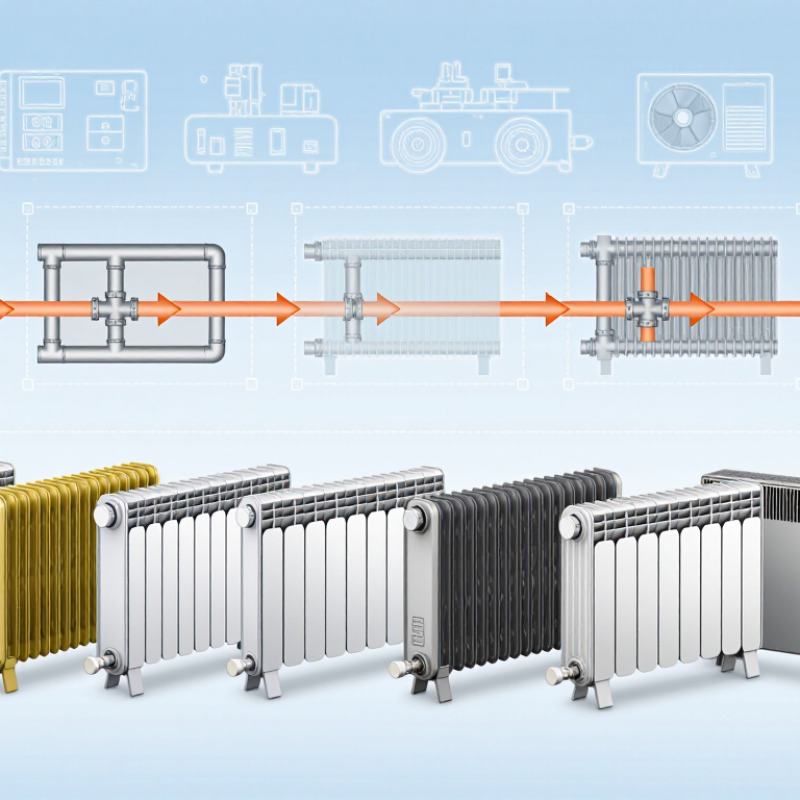
Compact Heat Radiators: Types, Materials, and 80–95% Thermal Efficiency
China Top 10 Compact Heat Radiator Manufacturers
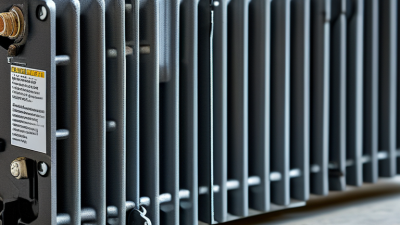
Compact heat radiators deliver strong heat transfer in limited spaces. Common types include panel radiators, finned-tube units, microchannel cores, and compact liquid coolers. Panel designs suit residential rooms, while finned and microchannel models fit vehicles, machinery, and electronic cabinets. Each type handles airflow, pressure, and maintenance differently.
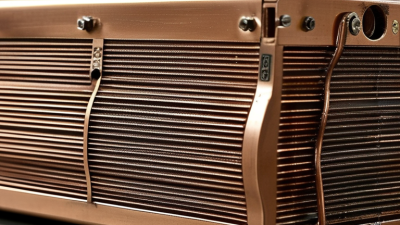
Material choice strongly affects performance. Aluminum offers low weight and rapid heat response. Copper transfers heat efficiently but increases cost and overall weight. Stainless steel resists corrosion in demanding environments, although it may conduct heat less effectively. Many practical designs combine copper tubes with aluminum fins. This balance improves heat spreading without creating an oversized assembly. Small details matter.
An 80–95% thermal efficiency claim requires careful interpretation. Engineers should check the test temperature, fluid flow, air speed, and heat-load calculation. Laboratory results can differ from factory conditions. A radiator reaching 95% efficiency under controlled airflow may perform lower when dust blocks the fins. That is often overlooked. Measuring inlet and outlet temperatures, pressure drop, and surface temperature gives a more reliable picture. Manufacturing quality also depends on brazing, fin spacing, leak testing, and dimensional control. A compact radiator with excellent materials can still fail through uneven joints or restricted passages. Buyers should request test reports, service conditions, and material certificates before comparing suppliers.
China’s Top 10 Compact Heat Radiator Manufacturers by Capacity and Certifications
China’s Top 10 Compact Heat Radiator Manufacturers by Capacity and Certifications
China’s leading compact heat radiator manufacturers should be compared by verified output, not factory size alone. Public company disclosures, production audits, and export records offer stronger evidence. Annual capacity usually ranges from several hundred thousand to several million units, depending on automation and product mix.
The International Energy Agency reported that buildings consume about 30% of global final energy. This makes heat-transfer efficiency and lifecycle durability important purchasing factors. For a practical top-ten assessment, I would examine automated welding lines, pressure-testing stations, coating capacity, and batch traceability. Manufacturers holding ISO 9001 show structured quality management. ISO 14001 indicates environmental controls, while ISO 45001 supports workplace safety management. CCC compliance matters for relevant domestic products. CE documentation is important for many European export markets.
Certification alone is not proof of radiator performance. It can be outdated, limited to one product family, or poorly matched to the factory. The ten strongest candidates should provide current certificates, test reports, rated heat output, operating pressure, and corrosion results. EN 442 remains a useful reference for radiator thermal performance in European applications. Capacity figures also need caution. Some factories report theoretical line capacity, not audited annual production. That distinction is easy to miss. My ranking would therefore reward verified shipments and repeat quality data, while reducing scores for unclear claims. Data from IEA Energy Efficiency 2023, ISO certification records, and independent laboratory reports can support a more reliable comparison.
China Top 10 Compact Heat Radiator Manufacturers by Capacity and Certifications
| Rank |
Anonymous Manufacturer Profile |
Primary Manufacturing Cluster |
Indicative Annual Capacity |
Core Compact Radiator Products |
Certification and Compliance Coverage |
Typical Export Reach |
Capacity / Compliance Position |
| 1 |
Manufacturer A |
Guangdong |
500,000+ units |
Aluminium electric radiators; wall-mounted panel heaters |
ISO 9001
CE
RoHS
ERP
|
Europe, Middle East, Southeast Asia |
Very high capacity; broad export compliance coverage |
| 2 |
Manufacturer B |
Zhejiang |
300,000–500,000 units |
Oil-filled electric radiators; compact convection heaters |
ISO 9001
CE
RoHS
CB
|
Europe, Latin America, Africa |
High capacity; strong electrical-safety documentation |
| 3 |
Manufacturer C |
Jiangsu |
250,000–400,000 units |
Low-profile steel panel radiators; hydronic compact radiators |
ISO 9001
ISO 14001
CE
RoHS
|
Europe, Central Asia, North Africa |
High capacity; suitable for private-label heating projects |
| 4 |
Manufacturer D |
Fujian |
200,000–350,000 units |
Compact fan-assisted radiators; bathroom heating units |
ISO 9001
CE
RoHS
REACH
|
Europe, Australia, Southeast Asia |
High capacity; strong focus on compact electric applications |
| 5 |
Manufacturer E |
Shandong |
150,000–300,000 units |
Steel panel radiators; compact hydronic heating assemblies |
ISO 9001
CE
EN 442
ISO 14001
|
Europe, Middle East, Central Asia |
Medium-high capacity; strong hydronic product orientation |
| 6 |
Manufacturer F |
Hebei |
120,000–250,000 units |
Aluminium alloy radiators; decorative compact radiators |
ISO 9001
CE
EN 442
RoHS
|
Europe, North Africa, South America |
Medium-high capacity; competitive metal-radiator production |
| 7 |
Manufacturer G |
Shanghai–Jiangsu Region |
100,000–200,000 units |
Smart electric radiators; programmable compact panel heaters |
ISO 9001
CE
RoHS
RED
|
Europe, North America, East Asia |
Medium capacity; stronger controls and connected-product capability |
| 8 |
Manufacturer H |
Ningbo–Zhejiang Region |
80,000–180,000 units |
Portable oil-filled radiators; compact household heating units |
ISO 9001
CE
RoHS
CB
|
Europe, Latin America, Southeast Asia |
Medium capacity; flexible OEM and small-batch production |
| 9 |
Manufacturer I |
Guangxi |
60,000–150,000 units |
Compact electric towel radiators; bathroom panel heaters |
ISO 9001
CE
RoHS
IP Testing
|
Europe, Middle East, Southeast Asia |
Medium capacity; specialized bathroom and moisture-resistant designs |
| 10 |
Manufacturer J |
Hunan |
50,000–120,000 units |
Custom compact radiators; low-volume OEM heating assemblies |
ISO 9001
CE
RoHS
REACH
|
Europe, Africa, South America |
Specialized capacity; suitable for customized and project-based orders |
Data note: Capacity figures are indicative production bands for comparative supplier screening rather than audited company disclosures. Certification labels refer to commonly applicable product or management-system frameworks; current certificates, test reports, product models, validity dates, and factory capacity should be verified directly before procurement.
Core Technologies: Aluminum, Copper, Brazed Plate, and 10–30 Bar Designs
China Top 10 Compact Heat Radiator Manufacturers
Core Technologies: Aluminum, Copper, Brazed Plate, and 10–30 Bar Designs
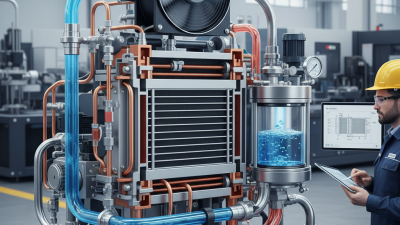
China’s leading compact heat radiator manufacturers increasingly combine aluminum cores with copper tubes. Aluminum keeps the assembly light, while copper transfers heat efficiently through narrow passages. This balance suits construction machinery, hydraulic systems, air compressors, and industrial power units.
Brazed plate radiators use stacked plates joined under controlled heat. The joints create compact channels with fewer external fittings. Many manufacturers develop models rated between 10 and 30 bar, depending on the circuit, temperature, and working fluid. A 10-bar oil cooler may require different materials than a 30-bar water-glycol system. Pressure ratings must be verified under recognized testing procedures.
Experienced suppliers usually inspect plate thickness, brazing quality, leak resistance, and surface flatness. Practical testing often includes pressure holding, dimensional checks, and repeated thermal cycling. These details matter when a radiator operates beside a vibrating engine. Small defects can become expensive failures.
Material selection remains imperfect. Copper may resist certain thermal demands, but it adds weight and cost. Aluminum offers excellent portability, yet corrosion control deserves careful review. A strong manufacturer should provide pressure data, alloy information, test records, and service guidance. A polished datasheet is not enough. Real reliability appears after heat, vibration, and pressure work together.
Compact Heat Radiator Technologies: Thermal Conductivity and Pressure Design
Representative engineering comparison of common compact radiator materials and brazed-plate construction. Thermal conductivity values are typical room-temperature reference values; pressure figures are indicative 10–30 bar design ranges and vary by geometry, joints, temperature, and applicable standards.
Aluminum offers low mass and good heat transfer, copper provides the highest thermal conductivity among the compared materials, and brazed-plate designs enable compact high-pressure heat exchange through permanently joined plates.
Applications and Selection: HVAC, Automotive, Electronics, and Industrial Cooling
China Top 10 Compact Heat Radiator Manufacturers
Compact heat radiators serve HVAC, automotive, electronics, and industrial cooling systems. The right design depends on heat load, airflow, fluid type, and installation space. The IEA reports that buildings consume about 30% of global final energy. Efficient HVAC radiators can reduce wasted energy through better heat transfer and controlled airflow. For a small office unit, check low-noise operation, corrosion resistance, and coil accessibility. A dense fin pattern improves surface area, but it may collect dust faster. That trade-off is often overlooked.
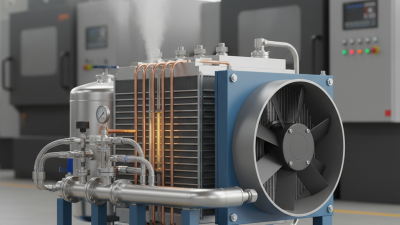
Automotive applications need vibration resistance, lightweight construction, and stable cooling under changing loads. Electric vehicles also require thermal management for batteries, inverters, and motors. The IEA’s Global EV Outlook 2024 recorded more than 14 million electric car sales in 2023. This growth increases demand for compact liquid-to-air radiators. Electronics cooling requires careful temperature control near processors and power modules. Industrial systems usually prioritize continuous operation, service life, and compatibility with glycol or treated water. A radiator that performs well in a laboratory may struggle in a dusty factory.
Tips: Measure real heat load before comparing manufacturers. Ask for pressure-drop, thermal-resistance, and salt-spray test data. Confirm rated performance at your actual ambient temperature. Do not select only by size. A smaller radiator can create higher fan energy and maintenance costs. Engineers should also review cleaning access, gasket materials, and replacement availability. Some specifications remain uncertain without field testing, so pilot installation is worth considering.