Top Engines Cooler Options for 2026 What to Consider?
In the evolving world of automotive engineering, the choice of Engines Coolers is critical. As we approach 2026, considerations have become more complex. Industry expert Dr. Emily Carter emphasizes, "Selecting an Engines Cooler goes beyond just efficiency; it impacts overall performance." This underscores the significance of understanding various components.
Modern Engines Coolers must balance weight, size, and cooling efficiency. Many professionals overlook the materials used in production. Lightweight materials can enhance performance, yet they may compromise durability. Striking a balance between innovation and reliability is essential for manufacturers. Cooling systems must also adapt to new engine technologies and higher power outputs.
Engineers should think critically about their choices. A suboptimal Engines Cooler can lead to overheating, affecting engine lifespan. As alternatives emerge, some might feel overwhelmed by options. It’s crucial to weigh benefits against potential drawbacks. By focusing on informed decisions, builders ensure longer-lasting engine performance.
Factors Influencing Engine Cooler Selection for 2026
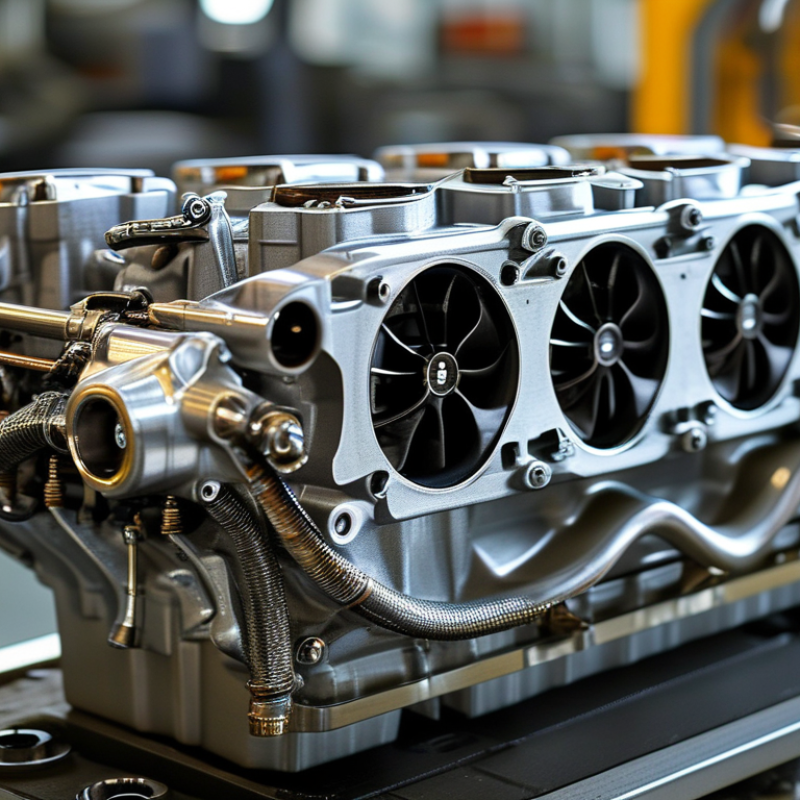
When selecting engine coolers for 2026, several factors come into play. Temperature regulation is crucial. A cooler must efficiently dissipate heat to prevent engine overheating. The material used in construction affects heat transfer. Aluminum, for example, is lightweight and effective. Steel, while heavier, may offer better durability under extreme conditions.
Another important consideration is airflow. A well-designed cooler should facilitate optimal airflow for cooling efficiency. Assessing the space available in the engine bay is essential. Size constraints can limit your options. Ensure the cooler fits properly without obstructing other components.
Compatibility with other systems is also vital. The chosen cooler should integrate seamlessly with existing parts. Striking a balance between performance and size can be challenging. It's important to reflect on the specific needs of your engine. Every engine has unique requirements that can influence cooler selection. Researchers suggest that being thorough in this stage can prevent issues later on.
Types of Engine Coolers Available in the Market
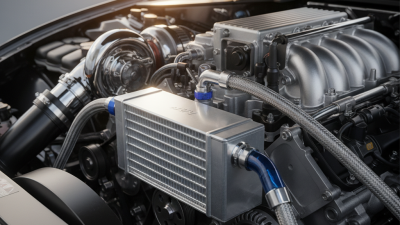
When considering engine coolers for 2026, it’s essential to understand the types available in the market. The main types include air-cooled, liquid-cooled, and oil coolers. Each has its advantages and disadvantages. Air-cooled systems are simpler and require no additional fluids, but they may struggle in high-temperature situations. Liquid-cooled systems provide efficient cooling at a cost of complexity. Oil coolers offer targeted cooling for engine oil, crucial for high-performance engines.
Reports suggest that liquid cooling is gaining popularity, especially in electric and hybrid vehicles. It contributes to improved efficiency and performance. However, they can be expensive and require maintenance. According to industry studies, nearly 40% of drivers faced issues due to inadequate cooling solutions last year. This highlights the importance of choosing the right type.
Tips: Regular maintenance of your engine cooler is vital. Check fluid levels consistently. Look out for any leaks or signs of wear. A proactive approach can save you from expensive repairs and potential engine failures. Ensure compatibility with your vehicle’s specifications. Make an informed choice to avoid common pitfalls many face.
Top Engines Cooler Options for 2026: What to Consider?
| Type |
Material |
Cooling Capacity (HP) |
Size (inches) |
Weight (lbs) |
Price Range ($) |
| Air Cooler |
Aluminum |
400 |
12 x 24 |
15 |
300 - 600 |
| Liquid Cooler |
Copper |
600 |
14 x 28 |
20 |
500 - 800 |
| Oil Cooler |
Steel |
350 |
10 x 18 |
12 |
200 - 400 |
| Plate Cooler |
Aluminum |
500 |
12 x 20 |
16 |
350 - 650 |
Performance Metrics to Evaluate Engine Coolers
When selecting engine coolers for 2026, evaluating performance metrics is crucial. One key metric to consider is cooling efficiency. This reflects how effectively a cooler can transfer heat away from the engine. A cooler with a high efficiency rating can prolong engine life by maintaining optimal operating temperatures.
Another vital factor is airflow. Adequate airflow ensures that heat dissipation occurs effectively. Monitoring the design of the cooler, including airflow paths and materials used, can reveal its potential performance. Additionally, the size and weight of the cooler also impact installation and overall vehicle dynamics. Heavy or oversized coolers might complicate installation and alter vehicle handling.
Considering thermal resistance may provide deeper insights. Lower thermal resistance indicates better heat transfer under various conditions. However, it’s important to balance performance with durability. Some products might offer excellent numbers on paper but fail under real-world conditions. Ensure that any chosen cooler is tested in diverse environments for reliability.
Installation Considerations for Engine Cooling Systems
When considering installation of engine cooling systems, several factors come into play. A proper understanding of the vehicle's thermal dynamics is crucial. In fact, studies show that optimal cooling can enhance engine performance by up to 15%, according to the Automotive Engineering Society.
Tips: Always assess the space around the engine. Limited space can complicate installation and impact cooling efficiency.
The type of coolant used also matters. Different coolants provide varying boiling and freezing points. Industry data indicates that improper coolant can lead to engine overheating in 30% of cases. Regular checks of the cooling system are essential to maintain efficiency.
Tips: Invest in high-quality components. This can prevent costly repairs and ensure longevity.
Lastly, consider system layout. The radiator's placement affects airflow. Poor airflow can reduce cooling efficiency drastically. Consider using fans strategically to improve airflow.
Future Trends in Engine Cooling Technology for 2026
As we look ahead to 2026, the landscape of engine cooling technology is set to evolve significantly. The growing emphasis on efficiency and eco-friendliness drives the need for smarter cooling solutions. Advanced materials will play a crucial role. Lightweight metals and composites can enhance thermal conductivity while reducing overall weight. This shift promises better performance and fuel economy.
Another key trend is the integration of smart technologies. The future will likely see engines equipped with sensors that monitor temperatures in real-time. These sensors will enable dynamic adjustments to cooling systems, optimizing performance under varying conditions. However, this adds complexity and potential reliability issues. It requires careful consideration during design and implementation phases.
Additionally, as electric and hybrid options gain traction, cooling needs diversify. Electric vehicles often require robust battery cooling systems. The challenge is finding reliable methods that are energy-efficient. Innovations must balance cooling efficiency and energy consumption. This complexity showcases the industry’s ongoing commitment to finding sustainable solutions. There’s much to reflect on as we embrace these changes while navigating potential pitfalls.
Top Engine Cooler Options for 2026