Why Are Engine Coolers Essential for Vehicle Performance?
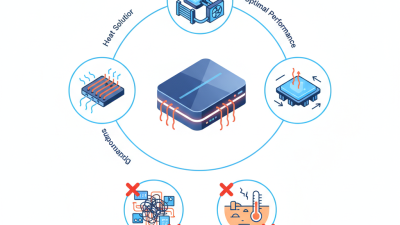
Engines coolers play a pivotal role in vehicle performance. According to Dr. Sarah Thompson, a leading expert in automotive engineering, “Effective cooling systems directly impact engine efficiency and longevity.” The function of an Engines cooler is crucial. It helps maintain optimal operating temperatures. A well-regulated temperature prevents overheating during intense driving conditions, ultimately enhancing performance.
Consequently, engines can deliver maximum power without the risk of damage. Overheating not only affects performance but also leads to costly repairs. Despite their importance, some car owners overlook the maintenance of these crucial components. Regular checks can identify potential issues before they escalate. Ignoring this aspect could lead to engine failure.
In the automotive world, the significance of Engines coolers cannot be understated. They serve as a safeguard against heat-related problems. Without them, vehicles would struggle to perform efficiently. Enthusiasts and professionals alike must recognize their importance. After all, a well-functioning engine depends heavily on effective cooling.
The Role of Engine Coolers in Regulating Engine Temperature
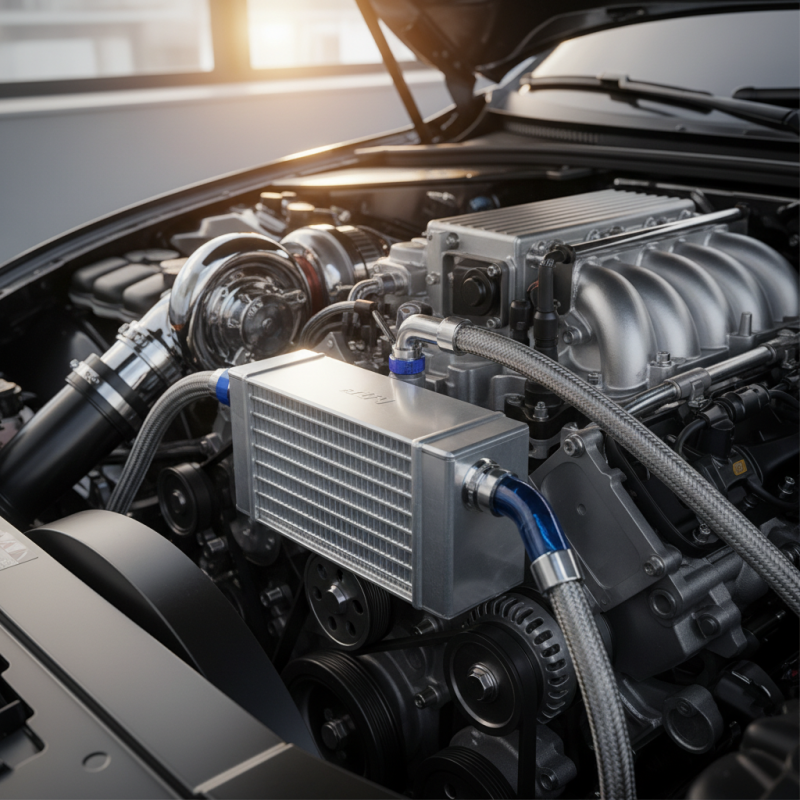
Engine coolers play a vital role in maintaining optimal engine temperature. Efficient temperature regulation is crucial for maximizing engine performance and longevity. Research indicates that engines operate best within a specific temperature range, typically between 195°F to 220°F. When temperatures exceed this range, engine oil can break down, leading to increased wear and tear.
Inadequate cooling can cause overheating, impacting fuel efficiency negatively. A report by the Society of Automotive Engineers found that engines running hot can consume up to 10% more fuel. Regular monitoring of engine temperature helps prevent costly repairs. It’s not just about performance, but also about safety. Overheated engines can lead to catastrophic failures, putting drivers at risk.
Despite advancements in technology, engine coolers are sometimes overlooked. Many vehicle owners underestimate the importance of maintaining these components. Regular fluid changes and checking for debris can make a significant difference. Neglecting these details may result in poor engine performance, leading to future headaches. Understanding the connection between engine coolers and performance is essential for all drivers.
Understanding the Impact of Overheating on Vehicle Performance
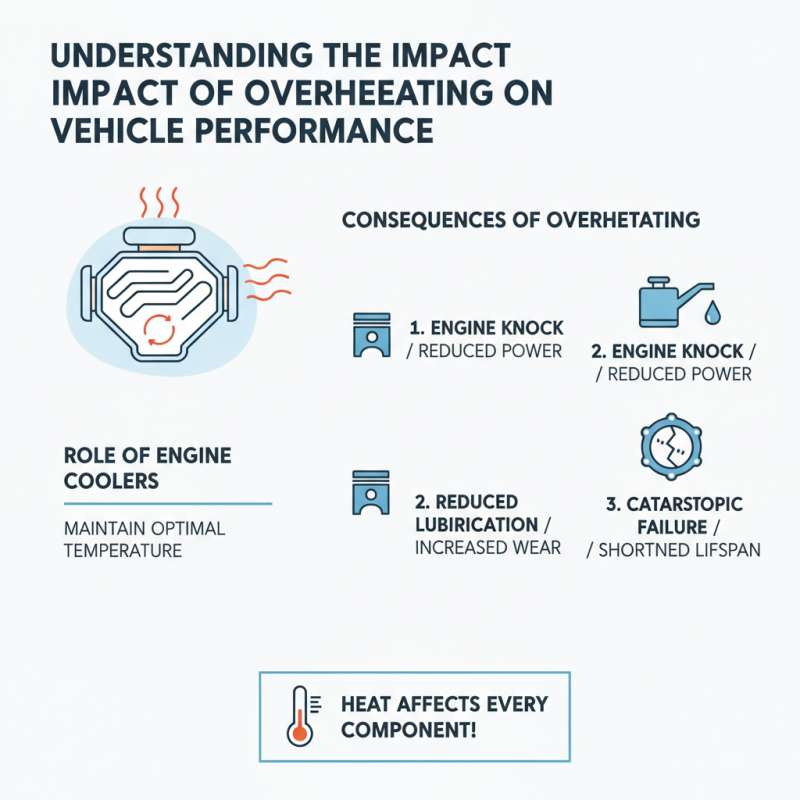
Engine coolers play a vital role in maintaining optimal vehicle performance. Overheating can severely impact an engine's efficiency and lifespan. When the engine runs too hot, it can lead to engine knock, reduced lubrication, and even catastrophic failure. Heat affects every component, pushing them beyond their limits.
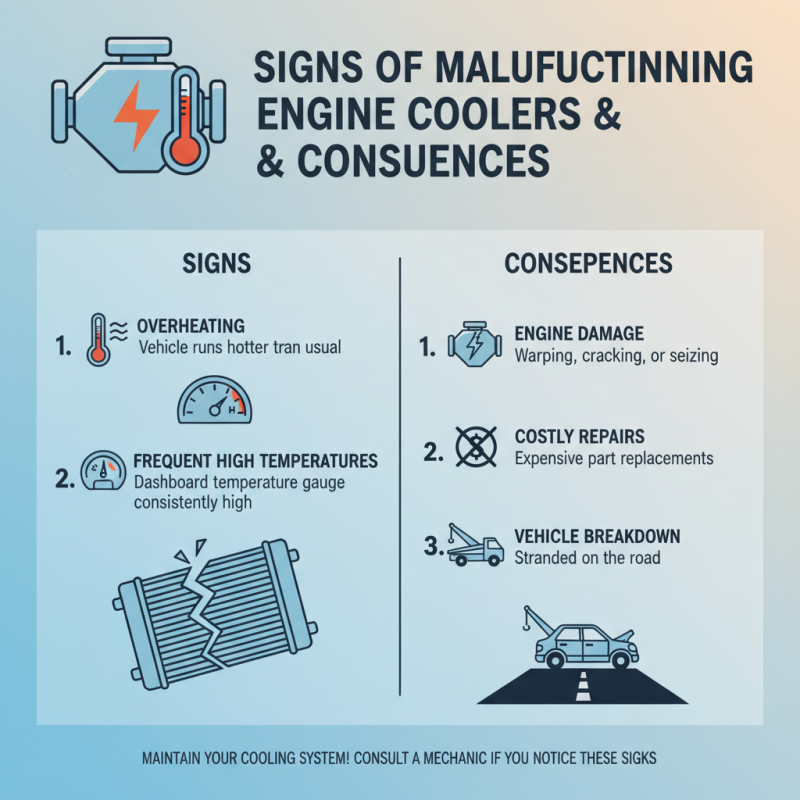
If your engine coolers are not functioning well, the risk rises significantly. You may notice a decrease in power and responsiveness. This might manifest as sluggish acceleration or erratic performance during high-stress conditions. It is crucial to monitor engine temperatures regularly, especially during long drives or in extreme weather.
Tips: Regular maintenance can prevent overheating. Check your coolant levels and replace fluids as needed. Ensure your engine cooler is clean. Dirt and debris can inhibit performance.
Additionally, consider the types of driving you do. Stop-and-go traffic generates more heat. Therefore, a reliable cooling system becomes essential. Experimenting with driving habits might also help in managing engine temperatures in the long run. Pay attention to warning lights on your dashboard. Ignoring them may lead to expensive repairs later on.
Types of Engine Coolers and Their Functionality
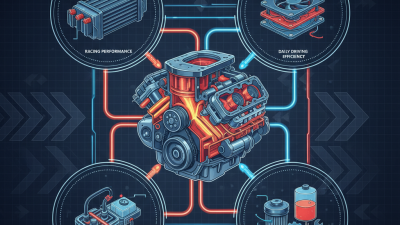
Engine coolers play a vital role in maintaining vehicle performance. They come in various types, each designed for specific functions.
Radiator coolers are the most common. They work by dissipating heat from the engine coolant. The flow of air helps in this process.
Oil coolers are another type worth noting. They regulate the temperature of the engine oil. By doing so, they ensure optimal lubrication. This aids in reducing engine wear.
Transmission coolers also deserve attention. They help in maintaining the transmission fluid at a stable temperature. This helps in avoiding overheating during heavy loads.
Using the right type of cooler can be crucial. Many people might overlook this aspect. A faulty cooler can lead to severe engine damage. It is essential to evaluate your vehicle's needs carefully. Understanding how each type functions can enhance reliability. Regular maintenance can help prolong their life. Investing in proper cooling solutions makes a tangible difference in performance.
Maintenance Practices for Ensuring Efficient Engine Cooling
Proper maintenance of engine coolers is vital for vehicle performance. A well-functioning engine cooler prevents overheating, which can lead to severe engine damage. Regularly checking the coolant levels is essential. Low coolant can diminish the efficiency of heat transfer, causing the engine to overheat. Drivers should inspect hoses and connections for leaks or wear. A small crack can lead to bigger issues.
Cleaning the engine cooler is another important practice. Dust, debris, and various pollutants can obstruct airflow. This blockage reduces the cooler's efficiency. A simple wash with water can suffice, but ensure the vehicle is cooled down first. It’s vital to remove dirt to maintain optimal performance.
Many vehicle owners forget to replace the coolant regularly. Old coolant loses its effectiveness over time. It can become acidic, potentially harming engine components. Set a reminder to check the coolant every few months. Keeping a close eye on the engine cooler ensures longevity and reliability. Prioritizing these maintenance tasks contributes significantly to overall vehicle health.
Engine Coolers Impact on Vehicle Performance