China Best Air Cooled Oil Cooler for Efficient Performance?
The effectiveness of an Air Cooled Oil Cooler is crucial for optimal engine performance. Dr. Li Wei, a renowned expert in thermal management systems, emphasizes, "An efficient cooler can enhance engine longevity and reduce wear." This statement highlights the importance of selecting the right oil cooler for various applications.
Air Cooled Oil Coolers play a vital role in numerous industries, including automotive, manufacturing, and marine. These coolers work by dissipating heat efficiently from oil, ensuring that machinery operates at the correct temperature. Proper cooling can lead to increased efficiency and decreased operational costs. However, not all air cooling systems are created equal, and one must consider factors like design and airflow.
Investing in a quality Air Cooled Oil Cooler might seem straightforward, but it requires a deep understanding of specific operational needs. Mistakes in selection or installation can lead to inefficiencies and mechanical failures. Recognizing the areas that need improvement or more research is essential for engineers and technicians. Ultimately, a well-chosen oil cooler not only protects engines but also enhances overall performance and reliability.
Understanding Air Cooled Oil Coolers: Principles and Benefits
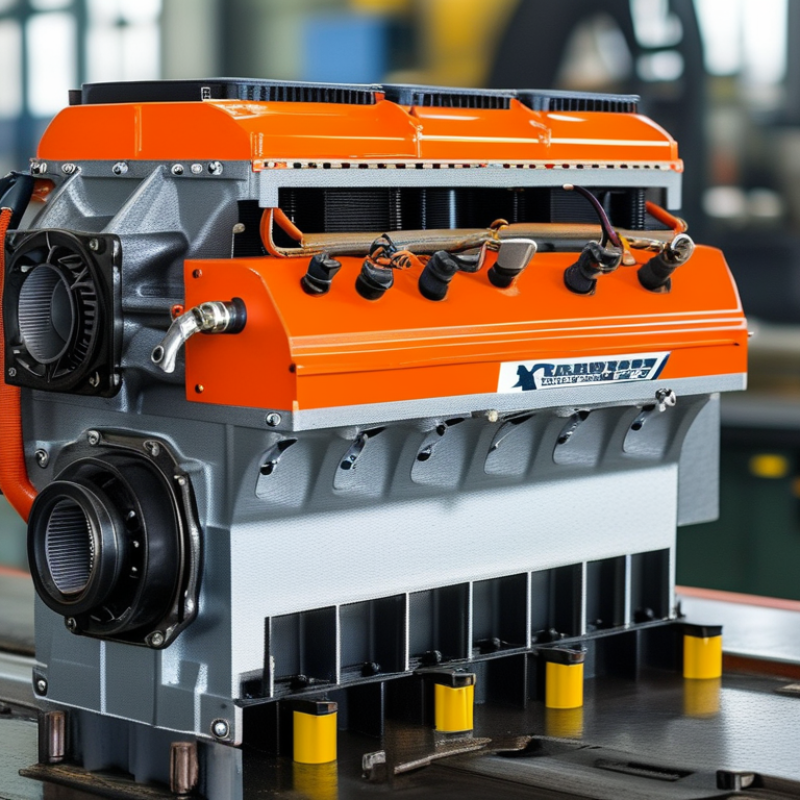
Air cooled oil coolers play a crucial role in maintaining optimal temperatures in various machinery. They use ambient air to dissipate heat from the oil, ensuring efficient performance. This cooling method is particularly effective in high-temperature environments. The design typically features a series of fins and tubes that maximize airflow. In operation, oil flows through these tubes, where the heat is transferred to the cooler air outside.
One significant benefit of air cooled oil coolers is their simplicity. They do not require water or additional cooling fluids, making them easier to maintain. However, in certain situations, their performance may be limited by ambient temperatures. If the air is too hot, the cooler efficiency decreases. It’s essential to monitor operational conditions. Regular checks can help identify any potential issues early.
While air cooled oil coolers are reliable, they also require proper installation. Incorrect placement can block airflow. It’s important to evaluate the surrounding environment for any obstructions. A well-placed cooler can enhance both performance and longevity. Think critically about the design and positioning of your cooling system for the best results.
Key Features of China’s Best Air Cooled Oil Coolers
Air-cooled oil coolers play a vital role in maintaining optimal engine temperatures, thereby enhancing performance and longevity. These coolers are designed to dissipate heat efficiently without the need for water. A key feature is their fin-and-tube design, which maximizes surface area for heat exchange. This design can improve thermal efficiency by up to 30%, according to recent industry studies.
Additionally, air-cooled oil coolers typically weigh less than liquid-cooled systems. This lightweight design helps reduce overall vehicle weight, improving fuel efficiency. Some models feature adjustable fans for better air circulation, allowing for enhanced cooling in various environments. A report from the International Society of Automotive Engineers noted that proper cooling can reduce engine wear by approximately 15%.
Tip: Regularly check for dirt or debris on cooler surfaces. Blockages can significantly decrease cooling performance.
It’s also important to note that while air-cooled options are convenient, they may not always be suitable for extreme conditions. In high-performance racing, liquid cooling often provides more consistent results. Hence, it is essential to evaluate the specific needs of your application to make the best choice.
Comparative Analysis of Air Cooled vs. Liquid Cooled Oil Coolers
When choosing between air cooled and liquid cooled oil coolers, one must consider efficiency and reliability. Air coolers tend to be simpler in design. They generally weigh less, making installation easier. Their fans help dissipate heat effectively. However, they can struggle in extreme temperatures. On the other hand, liquid cooled systems benefit from more consistent temperature regulation. They perform better in high-stress environments, such as racing. But they are often more complex and can require additional maintenance.
Tips: Regularly check your cooler's airflow. Blockages can hinder performance. Maintain an optimal fluid level in liquid coolers to avoid overheating.
It’s essential to select the right cooling system for your needs. Not every situation warrants one type over the other. Consider how each system will operate in your climate. Air coolers may suffice for milder conditions. But if you're operating under intense pressure, a liquid cooler could be necessary. Listen to your operating conditions. They can guide you toward the best choice.
Application Areas for Air Cooled Oil Coolers in Various Industries
Air cooled oil coolers have become critical in various industries. They excel in applications requiring stable temperature control. This is especially true in sectors like automotive, manufacturing, and energy production. According to a report by MarketsandMarkets, the global air-cooled oil cooler market is projected to grow from $1.1 billion in 2021 to $1.5 billion by 2026. This growth highlights their increasing relevance.
In automotive applications, air-cooled oil coolers help maintain optimal engine temperatures. They prevent overheating, which can lead to engine failure. A study from the Society of Automotive Engineers (SAE) found that proper cooling can extend engine life by up to 30%. In manufacturing, these coolers enhance the performance of hydraulic systems. They ensure that hydraulic oils remain within efficient operating temperatures. This, in turn, can reduce downtime and maintenance costs.
Energy production also benefits from these systems. Air cooled oil coolers help maintain the efficiency of turbines and generators. A report from the International Energy Agency (IEA) indicated that efficient cooling methods can increase energy output by 5%. These coolers often need correct placement and sizing to achieve optimal results. Sometimes, a lack of proper assessment leads to underperformance. This shows that while air cooled oil coolers are essential, they are not foolproof.
Application Areas for Air Cooled Oil Coolers in Various Industries
Maintenance Tips for Optimal Performance of Air Cooled Oil Coolers
Maintaining air-cooled oil coolers is crucial for their long-term efficiency. Over time, dirt and debris can accumulate on coils and fins. This buildup can significantly decrease airflow and cooling performance. Regular cleaning is essential. Use compressed air or a soft brush to clear any blockages. A clean cooler can improve heat transfer by up to 30%, based on industry reports.
Monitoring oil quality is also vital. Contaminated oil can lead to system failure. Regularly check for discoloration and particles in the oil. Replace oil at recommended intervals to ensure optimal cooling performance. According to a survey, 45% of users experienced improved system reliability after adhering to maintenance schedules.
Keep an eye on ambient temperature. Extreme conditions can affect cooler efficiency. Relocating the cooler to a shaded area may be necessary. Using temperature sensors will help in understanding performance trends. An analysis showed that temperature fluctuations could lead to a 15% increase in wear over time. Regular assessments of performance and maintenance routines will lead to a more reliable oil cooling system.
China Best Air Cooled Oil Cooler for Efficient Performance? - Maintenance Tips for Optimal Performance of Air Cooled Oil Coolers
| Maintenance Tips |
Frequency |
Benefits |
Signs of Maintenance Needed |
| Clean Air Filters |
Monthly |
Improves airflow and cooling efficiency |
Reduced airflow or increased temperatures |
| Inspect Hoses and Fittings |
Quarterly |
Prevent leaks and ensure fluid integrity |
Visible leaks or fluid wear |
| Check Oil Levels |
Monthly |
Ensures optimal performance and prevents engine damage |
Oil level indicator below recommended level |
| Flush Cooling System |
Annually |
Removes contaminants and improves cooling efficiency |
Overheating or poor oil cooling |
| Inspect for Corrosion |
Bi-Annually |
Prevents deterioration of components |
Rusty or discolored parts |