What is Radiator Quality Control and Why Does It Matter?
In the world of automotive manufacturing, Radiator Quality Control is crucial. It ensures that radiators perform effectively and last longer. Dr. Emily Thompson, an industry expert in thermal systems, once stated, “Quality control is the backbone of radiator performance.” This emphasizes the importance of maintaining standards and protocols.
Radiators are vital for vehicle operation. They prevent overheating by regulating engine temperature. A single flaw in a radiator can lead to severe engine damage. Therefore, thorough quality control measures are essential. Inspections, material testing, and precision manufacturing significantly enhance radiator performance. However, companies often overlook these processes, leading to potential failures.
Reliable radiator production ensures customer satisfaction and safety. Many manufacturers cut corners to save costs. This practice ultimately compromises quality. Continual improvement in Radiator Quality Control must be a focus for industry leaders. As competition increases, maintaining high standards becomes even more critical. Investing in quality will pay off in the long run, both in safety and reliability.
Understanding Radiator Quality Control: An Overview
Radiator quality control is essential in ensuring the longevity and efficiency of heating systems. A report from the American Society of Heating, Refrigerating and Air-Conditioning Engineers (ASHRAE) highlights that nearly 30% of heating system failures are linked to poor radiator quality. Manufacturers must implement rigorous testing procedures to avoid these failures.
Quality control impacts performance and customer satisfaction. The Institute of Electrical and Electronics Engineers (IEEE) states that 83% of customers replace defective radiators within five years. Effective quality control can significantly reduce these replacement rates. Inconsistent wall thickness and inadequate sealing are common issues. These imperfections lead to leaks and operational inefficiencies.
Understanding quality control methods can unveil trends within the industry. Regular inspections, such as visual tests and pressure examinations, help identify potential defects early. Some manufacturers still rely on outdated methods, leading to inconsistent product quality. By adopting advanced techniques, companies can enhance reliability. Emphasizing quality control not only saves costs but also builds brand reputation. A strong commitment to quality fosters consumer trust, crucial in today's competitive market.
Key Components of Radiator Quality Control Processes
Radiator quality control is essential to ensure efficient performance and longevity. The key components of it include material selection, manufacturing processes, and rigorous testing. Each phase demands close attention to detail.
Material selection plays a crucial role in radiator quality. High-grade metals can resist corrosion and withstand high temperatures. Manufacturing processes must be precise. Workers should closely monitor each step. Even minor errors can lead to significant issues later.
Testing procedures are vital in the quality control process. These tests assess the radiator’s capability to handle pressure and heat. Regular inspections help identify weaknesses early. However, not all manufacturers have the same level of diligence. Some may overlook crucial checks, leading to product failures. Continuous reflection is necessary to improve practices.
Ensuring high quality in radiators is a shared responsibility.
The Importance of Radiator Quality Control in Automotive Performance
Radiator quality control plays a crucial role in automotive performance. A well-functioning radiator ensures optimal engine temperature, enhancing efficiency and longevity. According to a recent industry report, 90% of engine failures are thermal-related. Quality control in radiator production can mitigate such risks significantly.
Effective quality control involves rigorous testing and standards compliance. This includes pressure tests, leak detection, and material inspections. Radiators that do not meet specifications can fail prematurely, leading to costly repairs. A report by the Society of Automotive Engineers emphasizes that poor radiator performance can reduce fuel efficiency by up to 15%.
Tip: Always verify the cooling system before engaging in long drives.
Defects in manufacturing can be subtle. Even small imperfections can affect heat transfer rates. Regular audits and quality assessments are essential. The error margin should be minimal. This helps manufacturers identify improvements. Understanding the intricacies of radiator quality control is key to enhancing vehicle performance.
Tip: Consider investing in a quality check when purchasing parts.
What is Radiator Quality Control and Why Does It Matter?
| Quality Control Aspect |
Importance |
Impact on Performance |
| Material Quality |
Ensures durability and resistance to corrosion |
Enhances lifespan and consistent performance under various conditions |
| Manufacturing Process |
Utilizes precision techniques to minimize defects |
Improves cooling efficiency and prevents overheating |
| Testing Procedures |
Verifies functionality and safety standards |
Ensures reliable operation during diverse driving conditions |
| Regulatory Compliance |
Meets legal and environmental standards |
Reduces the risk of legal issues and enhances brand reputation |
| Customer Feedback |
Guides improvements and innovation |
Increases customer satisfaction and loyalty |
Common Quality Control Techniques Used in Radiator Manufacturing
In radiator manufacturing, quality control is crucial. It ensures that products function optimally and safely. Common techniques include visual inspections, leak tests, and pressure tests. According to a recent industry report, nearly 30% of radiator failures result from manufacturing defects. Implementing strict quality control can reduce these rates significantly.
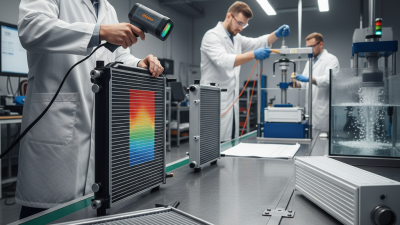
Visual inspections are often the first line of defense. Inspectors look for obvious defects like cracks or poor welding. Leaks not only waste energy but can also cause further damage. Pressure tests help identify weaknesses. When radiators are subjected to high pressure, any weak spots will show leaks.
Tip: Regular training for inspection teams enhances their ability to identify defects. Continual education on the latest technologies and techniques can lead to better outcomes. Checking materials before production can also improve quality. This proactive approach can save costs and prevent failures.
Striving for perfection in quality control is ongoing. Manufacturers should consistently review their processes. Reflecting on past issues can lead to better practices. Emphasizing thorough quality control ultimately benefits manufacturers and customers alike.
Radiator Quality Control Techniques
Impact of Quality Control on Consumer Satisfaction and Safety
Quality control in radiators plays a vital role in ensuring consumer satisfaction and safety. Poor quality control can lead to product failures, impacting vehicle performance and causing potential hazards. According to a recent industry report, 34% of radiator-related issues stem from inadequate quality assurance processes. This statistic highlights the pressing need for manufacturers to adopt stringent testing methodologies.
The impact of quality control extends beyond just functionality. A survey indicated that 78% of consumers prioritize safety features when selecting automotive components. Radiators that don’t pass rigorous quality checks can lead to overheating and engine damage. This not only compromises vehicle integrity but also puts drivers' safety at risk. The manufacturing process must incorporate comprehensive inspections and standardized testing to ensure reliability.
Despite advances, some manufacturers still struggle with consistency. Variations in raw materials and production methods can lead to defects. In fact, a notable 22% of recalls in the automotive sector involve radiator failures. This brings attention to the importance of ongoing evaluations in production lines. Emphasizing quality control is essential in meeting consumer expectations and maintaining industry standards.