2026 How to Improve Radiator Corrosion Resistance for Longevity?
The importance of enhancing radiator corrosion resistance cannot be overstated. As vehicles age, corrosion becomes a significant concern. This can compromise the efficiency of radiators, leading to higher maintenance costs and potential failures. According to Dr. Alan Prestwick, a leading expert in automotive materials engineering, “Improving radiator corrosion resistance is crucial for extending the life of cooling systems.” His insights underscore the need for advancements in this area.
Corrosion can stem from various sources, including environmental factors and chemical interactions. Understanding these elements is essential for developing effective solutions. The automotive industry is focused on innovative materials and protective coatings. These advancements aim to minimize corrosion and enhance performance over time. However, despite progress, challenges remain in fully addressing all corrosion contributors.
The quest for better radiator corrosion resistance demands ongoing research and development. Experts agree that collaboration within the industry is key. By sharing knowledge and exploring new technologies, stakeholders can significantly improve the longevity of radiators. As we look towards 2026, the necessity for effective strategies becomes even clearer.
Understanding Radiator Corrosion: Causes and Impact
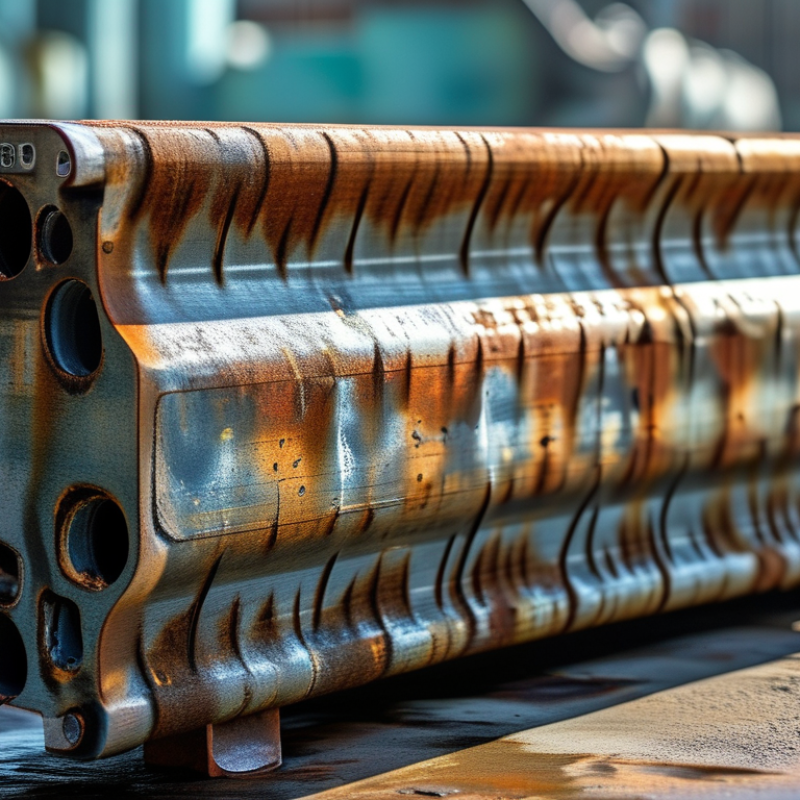
Radiator corrosion is a significant issue impacting vehicle performance and longevity. It can result from various factors, including coolant quality, temperature fluctuations, and exposure to corrosive environments. Research indicates that around 70% of radiator failures are attributed to corrosion, underscoring its critical role in maintenance.
To mitigate corrosion, understanding the causes is essential. For instance, inadequate coolant maintenance can lead to the formation of corrosive electrochemical reactions. Additionally, the presence of contaminants accelerates wear on radiator surfaces. Studies show that using high-quality coolants and regularly flushing the system can extend the lifespan of radiators significantly, sometimes by up to 50% compared to untreated systems.
**Tips:** Use distilled water to mix with coolant for better protection. Ensure regular checks for leaks and rust. Monitor the coolant's pH level as well.
Corrosion not only affects performance but also safety. A compromised radiator can lead to overheating, risking engine damage. Neglecting routine maintenance can create more severe long-term issues. Stay proactive in managing your radiator's condition to prevent unnecessary expenses.
2026 How to Improve Radiator Corrosion Resistance for Longevity? - Understanding Radiator Corrosion: Causes and Impact
| Causes of Corrosion |
Impact on Radiator |
Prevention Methods |
Recommended Maintenance Frequency |
| Electrolytic corrosion |
Leaking coolant and reduced heat transfer |
Use sacrificial anodes, regular inspection |
Every 6 months |
| Pitting corrosion |
Increased maintenance costs and downtime |
Apply protective coatings, maintain optimal pH levels |
Annually |
| Galvanic corrosion |
Structural weaknesses and failure |
Isolate dissimilar metals, use inhibitors |
Every 6 months |
| Environmental factors |
Corrosion due to exposure to chemicals |
Store in controlled environments, regular cleaning |
Every season |
Common Materials Used in Radiators and Their Corrosion Susceptibility
When considering radiator materials,
corrosion susceptibility
is critical. Aluminum and
Copper are common choices. Each has unique strengths and weaknesses.
Aluminum is lightweight and resistant to rust, but it can corrode through galvanic reactions.
Copper, known for excellent heat conductivity, faces issues with pitting and oxidation.
The choice of materials impacts radiator longevity.
Steel is another option. It offers durability but is prone to rusting without proper coatings.
Stainless steel is more resistant, yet it can be costly.
Choosing high-quality alloys may help mitigate corrosion.
However, trade-offs exist. Not all alloys perform equally.
Real-world application can reveal hidden weaknesses.
Regular maintenance is essential. This includes checking coolant levels
and ensuring proper chemical balance. Even the best materials can fail if neglected.
Visual inspections can catch early signs of corrosion. Early action is better than waiting for leaks or failures.
Understanding material properties and susceptibility can guide effective radiator longevity strategies.
Effective Coatings and Treatments to Enhance Corrosion Resistance
Corrosion in radiators is a significant issue that can affect performance and longevity. To combat this, effective coatings play a vital role. Epoxy-based coatings are often recommended for their strong adhesion and excellent barrier properties. These coatings can protect metal surfaces from moisture and corrosive agents. However, their application requires careful preparation. Proper surface cleaning is essential. If not done right, the coating may not adhere properly, leading to failures.
Moreover, surface treatments, such as anodizing or phosphating, are valuable methods to enhance corrosion resistance. Anodizing creates a thick oxide layer, which serves as a protective shield. This process can be intricate and time-consuming. Yet, it offers significant long-term benefits by improving adhesion for subsequent coatings. Phosphating can also be effective but requires precise chemical management. Inconsistent application can lead to uneven protection.
These methods are not foolproof. Coatings may peel or wear over time, and surface treatments can degrade under harsh conditions. Continuous monitoring is essential to determine the effectiveness of these strategies. It's vital to inspect regularly for any signs of corrosion. Identifying problems early can help maintain radiator efficiency and longevity.
2026 Radiator Corrosion Resistance Improvements
Maintenance Practices for Prolonging Radiator Life and Performance
Regular maintenance is essential for prolonging radiator life. Begin by routinely checking coolant levels. Low coolant can lead to overheating. It’s also important to inspect hoses for cracks or leaks. Damaged hoses can cause coolant loss and increase corrosion risk.
Flushing the radiator at least once a year helps remove sediment and rust. This process improves efficiency and longevity. Use a proper mixture of distilled water and coolant. Improper mixtures can lead to deposits. Also, take time to clean the exterior. Dirt and debris can obstruct airflow.
Consider regularly inspecting the anode rod if your system uses one. A degraded anode rod can increase the likelihood of corrosion. Keep an eye out for signs of rust or discoloration in the coolant. Address these issues promptly; neglect can lead to expensive repairs. Maintenance isn’t always convenient, but it’s crucial for reliability.
Monitoring and Identifying Corrosion in Automotive Radiators
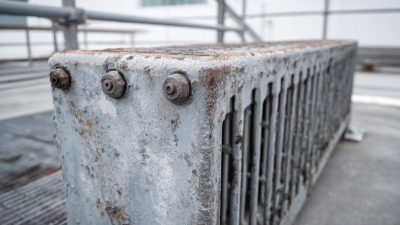
Corrosion in automotive radiators can lead to significant issues, affecting vehicle performance and lifespan. Identifying and monitoring corrosion is essential for ensuring long-term reliability. Regular inspections are crucial; early detection can save costly repairs. Look for signs such as rust, discoloration, or leaks around joints and seams.
Tips: Use a flashlight to inspect hidden areas. Pay attention to unusual odors, which may signal coolant leaks. The frequency of checks should increase in severe weather, as exposure to extreme conditions often exacerbates corrosion.
Implementing protective measures can further extend radiator lifespan. Consider using corrosion inhibitors mixed in the coolant. These additives create a barrier against rust formation. Additionally, ensure that coolant levels are properly maintained. Over time, coolant can become acidic, speeding up corrosion. Check pH levels and replace the coolant if necessary.
Creating a regular maintenance schedule can help maintain optimal radiator condition. Document any corrosion findings in a maintenance log. This will allow for tracking corrosion patterns and evaluating what measures work best for your vehicle. Being proactive can prevent severe issues and extend the overall life of your radiator.