2026 Best Radiator Corrosion Resistance Solutions for Buyers?
When considering the longevity and performance of your vehicle, radiator corrosion resistance is crucial. A reliable radiator prevents leaks and overheating. In 2026, buyers face various choices in radiator solutions. It’s important to understand how corrosion can impact the durability of these components. Many experience premature radiator failure due to inadequate corrosion resistance.
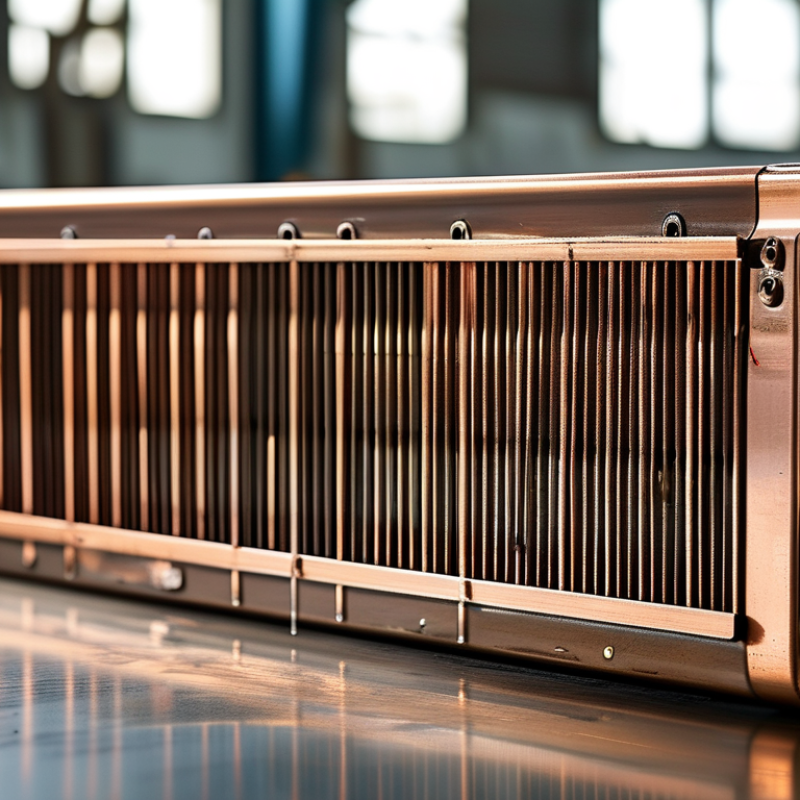
Understanding the materials and coatings that enhance radiator corrosion resistance is essential. Copper, aluminum, and plastic radiators each offer different protection levels. Buyers need to know which type suits their needs best. Identifying the right solution requires examining the quality of the materials used. Some products may not live up to their claims, leading to costly repairs.
Making an informed purchase involves careful research. Seek expert reviews and buyer testimonials. This helps evaluate the real-world effectiveness of radiator solutions. Trustworthy brands and innovative technologies can significantly improve corrosion resistance. However, some options might fall short of expectations. This is where critical evaluation helps buyers navigate their choices effectively.
Understanding Radiator Corrosion: Causes and Effects
Radiator corrosion is a common issue faced by vehicle owners. It can cause significant damage, leading to reduced efficiency and costly repairs. Understanding the causes of corrosion is crucial for maintaining the performance of your radiator. Factors such as coolant quality, temperature fluctuations, and environmental exposure play a major role. Coolants often have additives that help prevent corrosion, but these can wear out over time.
In many cases, corrosion results from a lack of proper maintenance. Neglecting to replace old coolant can lead to the accumulation of damaging particles. Without regular checks, minor issues can escalate quickly. Regularly inspecting the radiator for signs of wear can prevent more serious problems down the line. It is vital to educate oneself about the effects of poor coolant management.
Environmental factors also contribute to radiator corrosion. Humidity, road salt, and high temperatures can expedite the deterioration process. Each vehicle experiences a unique set of challenges based on these conditions. Reflecting on how driving habits and climate may affect your radiator is essential. Missing these signs early on can lead to major headaches in the future.
Types of Corrosion in Radiators: A Comprehensive Overview
Corrosion is a common issue affecting radiators. Understanding its types is crucial for buyers seeking reliable solutions. Two prevalent types are electrochemical corrosion and galvanic corrosion. Electrochemical corrosion occurs due to the interaction between metals and electrolyte solutions. According to industry data, approximately 40% of radiator failures are attributed to this form.
Galvanic corrosion arises when dissimilar metals are in contact in the presence of an electrolyte. It can lead to significant material loss. A study found that over 30% of radiator damages are linked to this type. Identifying these corrosion types helps in selecting materials or coatings that enhance durability.
Regular maintenance can mitigate these issues. Pressure testing and routine inspections are essential. Neglecting these practices may result in unexpected failures. Many users neglect this aspect, impacting their radiator's lifespan. Awareness and preventive measures are key to improving radiator performance. Adopting effective corrosion resistance strategies will ultimately save costs and ensure reliable operation.
Corrosion Resistance Ratings of Radiators by Material Type
This chart illustrates the corrosion resistance ratings for various radiator materials, providing buyers insights into the best options for durability and performance.
Top Materials for Radiators with Enhanced Corrosion Resistance
When selecting materials for radiators, corrosion resistance is vital. The right choice reduces maintenance and extends product lifespan. Some materials stand out due to their inherent properties. Stainless steel is popular, known for its durability and resistance to rust. It withstands high temperatures and harsh conditions well.
Aluminum is another excellent option. It is lightweight and conducts heat efficiently. However, its susceptibility to oxidation can be a concern. Applying protective coatings can enhance durability. Copper is often praised for superior thermal conductivity. Yet, it can face challenges with corrosion in certain environments.
Understanding local climates is important. Humidity, salt exposure, and temperature shifts impact material performance. Regular inspections can identify early signs of corrosion, allowing timely interventions. Investing in high-quality materials can lead to long-term savings and efficiency, but careful deliberation is essential. Every choice has trade-offs, and reflecting on these can lead to better decisions.
Evaluating Anti-Corrosion Treatments and Coatings for Radiators
Radiators often face corrosion due to environmental factors. Evaluating anti-corrosion treatments is crucial for maintaining their longevity. Common corrosion can lead to reduced efficiency and costly repairs. Buyers should focus on understanding the different types of coatings available.
Zinc-rich primers and epoxy coatings provide excellent protection. These solutions create a barrier against moisture and contaminants. However, the application process can be complex and may require specialized skills. It's not uncommon to see uneven coats or inadequate surface preparation. Such issues can diminish the effectiveness of the treatments.
In addition to coatings, consider regular maintenance routines. Flushing the radiator system helps remove debris and prevents buildup. Potential buyers should weigh the benefits of professional assessments versus DIY approaches. Many skip professional help, thinking it saves money, but it could lead to bigger problems. Understanding these treatments allows for informed purchasing decisions. Potential corrosion issues can often be prevented with the right knowledge and practices.
Key Factors to Consider When Choosing Corrosion-Resistant Radiators
Choosing a corrosion-resistant radiator involves several key factors.
First, check the material. Aluminum and brass are widely used for their resistance properties.
Aluminum is lightweight and resistant to rust.
Brass offers strength but can be heavier.
Consider how each material reacts in your environment.
Another important factor is the coating.
Special coatings can enhance corrosion resistance.
Look for radiators with protective layers that prevent moisture damage.
Conductive surfaces can create issues. Yet, a well-applied coating can extend the life of the radiator significantly.
Look for manufacturers that provide detailed information about their coatings.
Installing a radiator is not just about choosing the right one.
Think about the overall system's maintenance.
Regular checks can ensure longevity.
Some users may forget to inspect connections and seals, leading to increased corrosion risks.
Always stay proactive in your maintenance approach.
It can be easy to overlook small leaks, yet they can lead to bigger problems.
A slight oversight might cost more in repairs later.