Choosing a Radiator Dealer in 2026 is not just about finding the lowest price. A radiator must fit the vehicle, handle its cooling requirements, and arrive with clear warranty support. The market context matters. S&P Global Mobility reported that the average age of U.S. light vehicles reached 12.6 years in 2024, extending the service life of many vehicles. The Auto Care Association’s 2024 Joint Channel Forecast valued the U.S. automotive aftermarket at approximately $514.9 billion that year. These figures describe broad market conditions, not radiator sales specifically. Still, they show why dependable replacement parts and informed suppliers matter.
Details count. Ask how the dealer confirms fitment, whether the unit meets the vehicle’s specifications, and what the warranty actually covers. Check that product listings identify materials, dimensions, included fittings, and any exclusions. A polished website is not proof of quality. Neither is a low quote. Look for traceable brands, accessible technical support, and consistent customer feedback across independent platforms. Verify claims directly when possible.
There is no perfect checklist. Some dealers communicate well but stock fewer options; others offer broad inventory with limited technical guidance. That trade-off deserves a closer look. This guide examines practical ways to compare suppliers, verify product information, and assess service before placing an order. The goal is simple: choose a dealer you can contact when something does not fit as expected.
Before contacting a radiator dealer, define the heating problem clearly. Measure the room’s length, width, ceiling height, windows, and insulation condition. Note the existing pipe positions and connection sizes. Measure twice. Small errors can cause poor heat distribution.
Estimate the required heat output in watts, not by appearance alone. A professional dealer should explain the calculation and ask about your heating system. Check the radiator’s material, pressure rating, corrosion resistance, and valve compatibility. For bathrooms or humid rooms, surface protection matters. Ask for technical sheets, installation guidance, and evidence of relevant safety testing.
I once focused too much on price and ignored the return conditions. That was a mistake. Compare written quotations with delivery time, warranty coverage, replacement procedures, and installation support. A reliable dealer should answer specific questions without rushing you. Request confirmation that the chosen model fits your pipe layout and heating capacity. Check whether spare valves and mounting brackets are available. Cheap can become expensive. Also, leave room for uncertainty. Older systems may have hidden pipe damage or inaccurate heat-loss assumptions. A careful dealer will identify these risks instead of promising a perfect fit immediately.
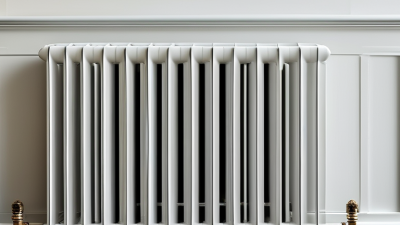
How to Find a Reliable Radiator Dealer in 2026?
A reliable radiator dealer should show practical experience, not only claim many years in business. Ask how the team handles room measurements, heat-loss calculations, and replacement requests. Experienced staff can explain heat output, connection types, material choices, and pressure ratings in plain English. They should also discuss installation limits before recommending a product. That honesty matters.
Review the dealer’s product range carefully. A useful supplier may offer panel, column, towel, electric, and designer radiators for different spaces. Check whether each listing includes dimensions, wattage, materials, valve options, and warranty terms. Visit a showroom if possible. Look for working displays, clear invoices, and properly labelled samples. A broad range is helpful, but too many vague choices can create confusion.
Manufacturer partnerships deserve close attention. Ask whether the dealer receives updated technical documents, genuine replacement parts, and product training. Confirm that warranty support comes through a written process, not verbal promises. A current partnership can indicate better access to stock and engineering guidance. Still, it is not automatic proof of quality. A long partnership may hide slow communication or limited after-sales care. Test the dealer with specific questions before paying. Notice how carefully they listen. That small detail can reveal more than polished advertising.
How to Find a Reliable Radiator Dealer in 2026?
A reliable radiator dealer should prove performance, not merely promise it. The U.S. Energy Information Administration reports that space heating used about 42% of household energy in 2020. Correct radiator selection therefore affects comfort and operating costs. Ask for thermal-output results tested under EN 442 conditions. Request material specifications, pressure-test records, corrosion information, and traceable production details. A certificate alone is not enough. ISO 9001 covers management systems, not radiator heat output.
Check whether certifications match your installation market. Verify the certificate number with the issuing body when possible. Warranty terms deserve equal attention. Read coverage periods, exclusions, replacement procedures, and labor responsibilities. Some warranties look generous but exclude corrosion, poor water quality, or incorrect installation. That detail matters.
Technical support separates a serious dealer from a basic reseller. Staff should calculate heat requirements and explain flow temperatures, pipe connections, valves, and system compatibility. The International Energy Agency states that buildings account for roughly 30% of global final energy consumption, making system efficiency a practical concern. Ask for written sizing advice, installation guidance, and after-sales response times. Call before buying. A knowledgeable answer is useful evidence.
I would also request two comparable quotations and inspect sample packaging. It should protect corners and show model data clearly. My own caution is simple: online reviews can be helpful, but they are not laboratory evidence. Keep every test report, invoice, and support email. Then compare what was promised with what was actually delivered.
| Evaluation Area | What to Verify | Evidence to Request | Signs of a Reliable Dealer | Warning Signs |
|---|---|---|---|---|
| Product specifications | Confirm the radiator type, dimensions, material, connection positions, operating limits, and compatibility with the intended heating system. | Current product datasheets, installation instructions, and written confirmation of the selected model’s specifications. | Specifications are clear, consistent, and provided before purchase; the dealer checks system requirements rather than relying on appearance alone. | Missing or conflicting specifications, unclear model identification, or unsupported claims about suitability. |
| Heat output | Check the rated heat output and the temperature conditions used for that rating. Output can differ when actual water and room temperatures differ from test conditions. | Published output data and, where applicable, test documentation based on EN 442 for relevant water-based radiators and the intended market. | The dealer explains the rating conditions and helps compare output at the design temperatures for the project. | A single output figure is quoted without conditions, or the dealer guarantees room performance without reviewing the application. |
| Manufacturing quality and traceability | Ask how the product is identified and traced, and whether material, finish, and production details match the published specification. | Product labels or batch details, documented quality procedures, and relevant inspection or test records. | Products arrive correctly labelled, protected for transport, and accompanied by documentation that can be matched to the supplied model or batch. | No traceable product identification, visibly damaged packaging without a remedy process, or refusal to provide basic product records. |
| Pressure and safety requirements | Verify that the radiator’s rated pressure and temperature limits suit the system and comply with applicable local requirements. | Technical documentation stating operating limits, plus conformity or test records required for the product and destination market. | The dealer distinguishes product ratings from system design requirements and recommends confirmation by a qualified heating professional where needed. | Pressure limits are omitted, or the dealer treats one certification or test as proof of suitability for every installation. |
| Certifications and conformity | Check which regulations and standards apply in the destination market. Confirm that any certificate or declaration covers the specific product and intended use. | Applicable declarations of conformity, certificates, test reports, and the issuing body’s name, scope, validity, and product references. | Documents can be checked with the issuing body or official database where available. The dealer explains that management-system certification, such as ISO 9001, is not by itself product approval. | Unverifiable certificates, mismatched product references, expired documents, or broad compliance claims with no supporting paperwork. |
| Written warranty | Review the warranty period, covered defects, exclusions, claim procedure, required installation conditions, and who pays for removal, shipping, or replacement. | The complete written warranty applicable to the exact product and purchase location. | Terms are available before payment and clearly identify the responsible party and steps for making a claim. Statutory consumer rights are addressed separately where applicable. | Only verbal promises, unclear exclusions, or pressure to assume that the warranty covers all installation and consequential costs. |
| Dealer credentials and sourcing | Ask whether the dealer is authorized to sell and support the products offered, and how product origin and supply-chain records are documented. | Current authorization evidence where applicable, business contact details, invoices, and traceable supply documentation. | The dealer’s selling authority can be confirmed through the relevant manufacturer or supplier, and invoices identify the product supplied. | Unclear sourcing, inconsistent seller details, or claims of authorization that cannot be independently confirmed. |
| Technical support and sizing | Evaluate support for heat-loss information, radiator selection, system temperatures, connections, valves, and installation constraints. | Written sizing assumptions, product-selection notes, installation guidance, and access to a technically qualified support contact. | Advice is based on project details and states its assumptions; complex design questions are referred to a qualified heating engineer or installer. | One-size-fits-all sizing, no explanation of assumptions, or unsupported assurances about energy savings or guaranteed comfort. |
| Installation and after-sales help | Confirm whether installation guidance, spare parts, troubleshooting, and warranty-claim assistance are available after delivery. | Installation manuals, parts information, support contact details, and a written description of the service and claim process. | Support channels and responsibilities are clear, and the dealer can explain how to report delivery damage or a product fault. | No reachable support contact, unclear responsibility between seller and supplier, or no process for resolving damaged or faulty deliveries. |
| Quotation and delivery terms | Compare the exact model, included accessories, taxes, delivery charges, lead time, return conditions, and damage-reporting deadlines. | An itemized written quotation and clear sales, delivery, and return terms before placing the order. | Pricing and exclusions are stated transparently, product substitutions require approval, and delivery inspection steps are explained. | Unexpected fees, vague delivery dates, undocumented substitutions, or unclear return and damage policies. |
Practical check: Requirements vary by product type and destination market. Verify documents with the relevant issuing body or authority, and have system sizing and installation checked by a qualified professional when appropriate.
A reliable radiator dealer should be judged beyond the ticket price. The U.S. Energy Information Administration’s Residential Energy Consumption Survey 2020 reports that space heating accounts for about 42% of household energy use. That makes efficiency, sizing, and installation quality financially important. Request an itemized quote covering the radiator, valves, controls, delivery, removal, and labor. Ask whether the heat-output rating uses the same standard across competing quotes.
Compare availability carefully. “In stock” may mean warehouse stock, not local stock. Confirm the exact model, quantity, dispatch date, and delivery window in writing. The International Energy Agency reports that buildings consume about 30% of global final energy, based on its 2023 Buildings report. A dealer with technical knowledge should explain heat loss, room size, water temperature, and control compatibility. Vague advice is a warning sign.
Delivery can damage delicate fins and valves. Check packaging procedures, inspection deadlines, and responsibility for transit damage. Installation service matters just as much. Ask for installer qualifications, pipework checks, pressure testing, balancing, and commissioning records. The installer should explain maintenance before leaving.
I once compared only headline prices. That was a mistake. The cheapest quote excluded valves and return visits. A better comparison uses total installed cost and expected operating performance. Still, estimates remain imperfect. Older insulation, unusual pipework, and regional labor rates can change the final figure. Independent efficiency guidance and written terms deserve more trust than confident sales language.
Compare dealers by checking the full service timeline, not only the quoted price. Typical planning ranges are 1–3 business days for a quotation, 2–5 days for in-stock dispatch, 10–20 days for made-to-order products, and 3–14 days for installation scheduling. Request written confirmation of stock, delivery dates, installation scope, warranty terms, and any additional charges.
How to Find a Reliable Radiator Dealer in 2026?
Reviews can reveal more than star ratings. Read comments about delivery dates, packaging, sizing, and product performance. Look for recent feedback across several independent platforms. Detailed reviews with installation photos feel more useful than vague praise. Pay attention to negative comments, too. Does the dealer answer calmly and offer a practical solution? I once trusted a high rating too quickly. The delivery was late, and the promised support was unclear.
Communication should feel precise before payment. Ask about heat output, materials, pressure testing, surface finish, and compatibility with your heating system. A professional dealer should explain technical limits without confusing language. Request a written quotation with dimensions, quantities, shipping terms, and expected dates. Notice how quickly they respond. Fast replies are helpful, but accurate replies matter more. Keep every important detail in writing.
After-sales care often separates a dependable dealer from a temporary seller. Check the warranty period, claim procedure, replacement policy, and availability of spare parts. Ask who handles damage during transport. Confirm whether installation guidance is included. A reliable team should not disappear after delivery. Still, no dealer is flawless. I would now ask for photographs before dispatch and inspect the parcel immediately. That small habit may prevent a long argument later. Reliable service is built through clear evidence, not confident promises.