Top Cooling Systems in China for Global Buyers Guide?
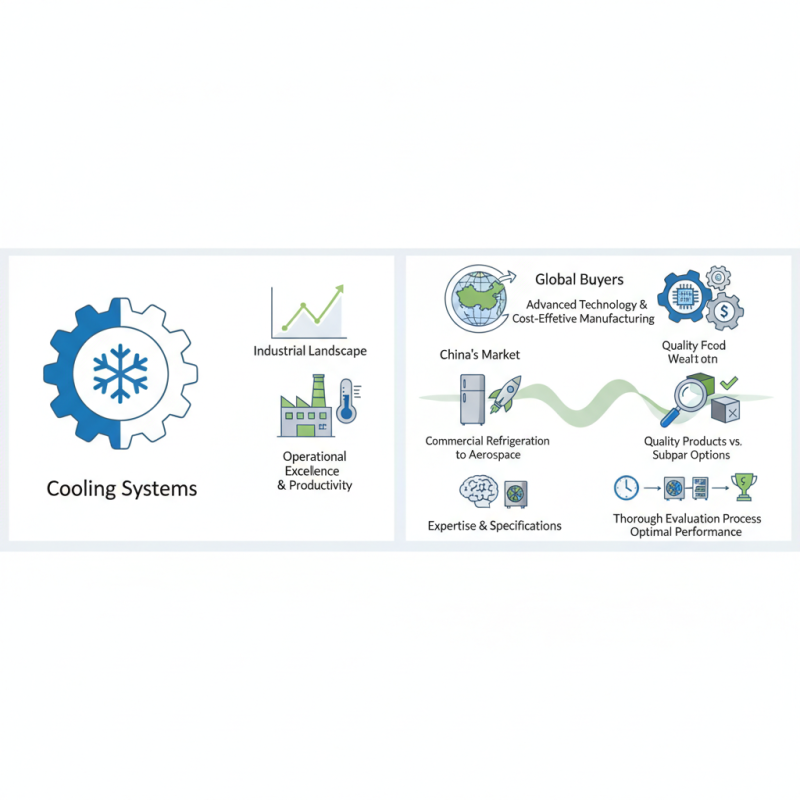
In today's fast-paced industrial landscape, efficient Cooling Systems are crucial for operational excellence. Global buyers seeking reliable solutions can find valuable insights in China's rapidly evolving market. According to Dr. Liu Chen, a renowned expert in thermal management, “The right cooling system can significantly enhance productivity and extend equipment lifespan.”
China’s expertise in Cooling Systems stems from a blend of advanced technology and cost-effective manufacturing. Companies can access a range of solutions tailored for different applications, from commercial refrigeration to aerospace. However, the challenge lies in navigating this complex market. Buyers must discern between quality products and subpar options that flood the industry.
Understanding the expertise behind these systems is essential. Each cooling solution has its unique specifications and capabilities. Not every system is suitable for every application. A thorough evaluation process can prevent costly mistakes and ensure optimal performance. Investing time in understanding these dynamics can make a significant difference in project success.
Overview of the Cooling System Market in China
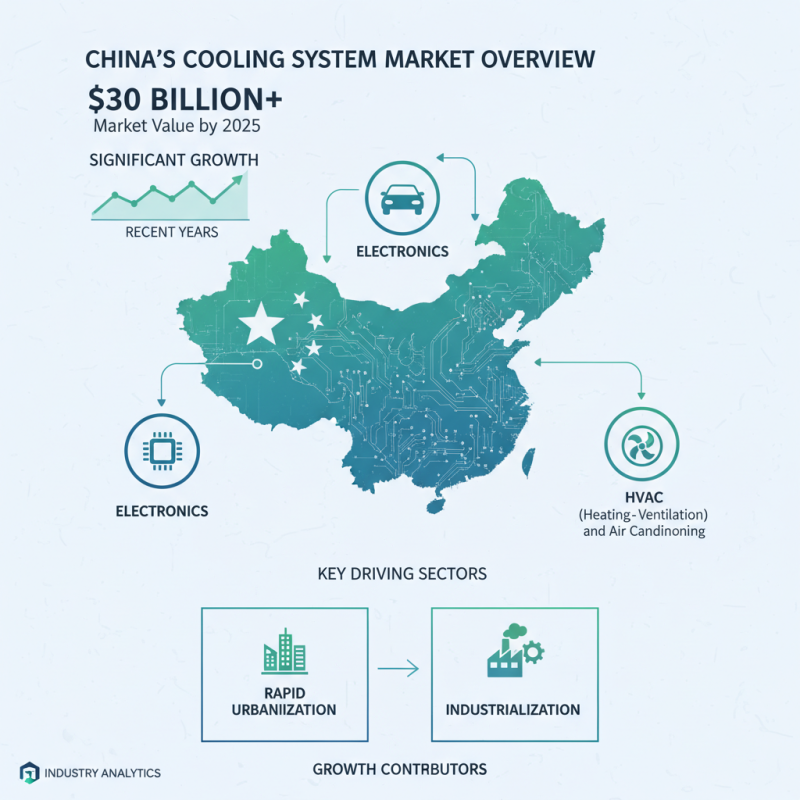
The cooling system market in China has witnessed significant growth in recent years. According to the latest industry reports, it is projected to reach a market value of over $30 billion by 2025, driven by increasing demand across various sectors. The rapid urbanization and industrialization in China are substantial contributors to this growth. Many sectors, including electronics, automotive, and HVAC, are driving the need for efficient cooling solutions.
In 2022, the Chinese cooling system market was valued at around $19 billion, showing a compound annual growth rate (CAGR) of 8% from the previous years. The dominance of traditional cooling systems is being challenged by advanced technologies and eco-friendly options. However, the market still faces challenges. Research indicates that while there is a push for innovation, many manufacturers struggle with transitioning to sustainable practices. This has led to a reliability issue, as some systems fail to meet the latest environmental regulations.
The fragmented nature of the market adds complexity. Numerous small to medium enterprises operate alongside established players. This results in varied product quality and customer support. Buyers often report dissatisfaction due to inconsistent performance and limited warranties. Consequently, global buyers must conduct thorough research before selection. Understanding these nuances in the Chinese cooling system market can aid in making informed decisions.
Types of Cooling Systems Available for Global Buyers
When considering cooling systems in China, various options meet diverse global needs. Air-cooling systems are widespread, known for their efficiency. These systems utilize fans and evaporative technology to cool spaces naturally, making them eco-friendly. They are ideal for dryer climates but can reach limitations in highly humid areas.
Water-cooling systems provide another approach. They use water to absorb heat, which can be more efficient for large-scale applications. However, they require a constant water supply, which may raise concerns in certain regions. Refrigeration cooling systems are also prominent, offering advanced temperature control. These systems excel in settings needing precise climate management but can consume substantial energy.
Both types vary in terms of installation and maintenance complexities. Some users may find them challenging to optimize without expert guidance. Each component and technology has benefits and drawbacks that require careful consideration. Understanding the specific needs of your environment is key for making an informed decision.
Leading Manufacturers of Cooling Systems in China
China has become a major player in the global cooling system market. The country boasts numerous manufacturers who specialize in a variety of cooling technologies. These include air conditioning units, refrigeration systems, and industrial cooling solutions. Each manufacturer offers unique products that cater to different needs across various sectors. This diversity is beneficial for global buyers who seek tailored solutions.
Many leading manufacturers emphasize the importance of energy efficiency and sustainable practices. Their products often incorporate advanced technologies. These innovations not only enhance performance but also reduce environmental impact. However, while the technology is impressive, some manufacturers face challenges in ensuring consistent quality. Buyers should consider these factors when assessing potential partnerships.
It's also worth reflecting on the rapid growth of this industry. The competition is fierce, and not all manufacturers maintain the same standards. Some might prioritize cost over quality. As a buyer, it’s crucial to conduct thorough research. Understanding market dynamics can lead to better decisions. Engagement with industry experts may provide further insights into the reliability of these manufacturers.
Key Features to Consider When Choosing a Cooling System
Choosing the right cooling system is critical for efficiency. Buyers should consider several key features. Energy efficiency is paramount. Systems rated in the top tier consume significantly less energy, reducing costs. A report by the China HVAC Association highlighted that energy-efficient systems can cut electricity usage by over 30%.
Another essential factor is the cooling capacity. It must match the needs of the space. Oversized systems waste energy, while undersized ones struggle to maintain temperature. Additionally, consider the noise level. Systems producing over 60 decibels may disrupt a workplace. The ideal range is typically between 30 to 50 decibels.
Reliability is another aspect worth evaluating. Systems should have robust warranties and good service options. According to a 2022 market analysis, 80% of buyers prioritize long-term support when making a purchase. Ensure you read customer reviews. They often reveal common issues and the manufacturer’s responsiveness. A transparent approach is essential for a fulfilling purchase.
Top Cooling Systems in China for Global Buyers Guide
| Cooling System Type |
Key Features |
Ideal Applications |
Energy Efficiency Rating |
Price Range (USD) |
| Air-Cooled Chillers |
Compact size, energy-efficient, low maintenance |
Commercial buildings, industrial processes |
A+ |
5,000 - 15,000 |
| Water-Cooled Chillers |
High efficiency, great cooling capacity, quiet operation |
Large commercial spaces, hospitals |
A++ |
10,000 - 25,000 |
| Portable Air Conditioners |
Easy to move, flexible installation |
Home use, small offices |
B |
300 - 900 |
| Evaporative Coolers |
Eco-friendly, low energy consumption |
Dry climates, outdoor areas |
A |
500 - 1500 |
| Ductless Mini-Split Systems |
Zonal cooling, energy-efficient |
Homes, smaller commercial spaces |
A+ |
700 - 2,000 |
Future Trends in China's Cooling System Industry
The cooling system industry in China is evolving rapidly. Few key trends are shaping its future. First, there's an increasing emphasis on energy efficiency. Stricter regulations encourage manufacturers to develop systems that consume less power. This is an important step towards sustainability.
Moreover, technology plays a significant role. Advanced sensors and IoT integration are becoming commonplace. These innovations enhance monitoring and control. They provide users with data for better decision-making. However, this shift requires skilled workers. The expertise gap poses a challenge for many companies.
Additionally, the rise of global trade brings new opportunities. Chinese manufacturers are exploring international markets. However, competition is tough. Local companies must innovate to stay relevant. Some struggle to adapt, reflecting the need for continuous improvement. The future of cooling systems in China looks bright, but it's essential to address these complexities for long-term success.
Top Cooling Systems in China for Global Buyers