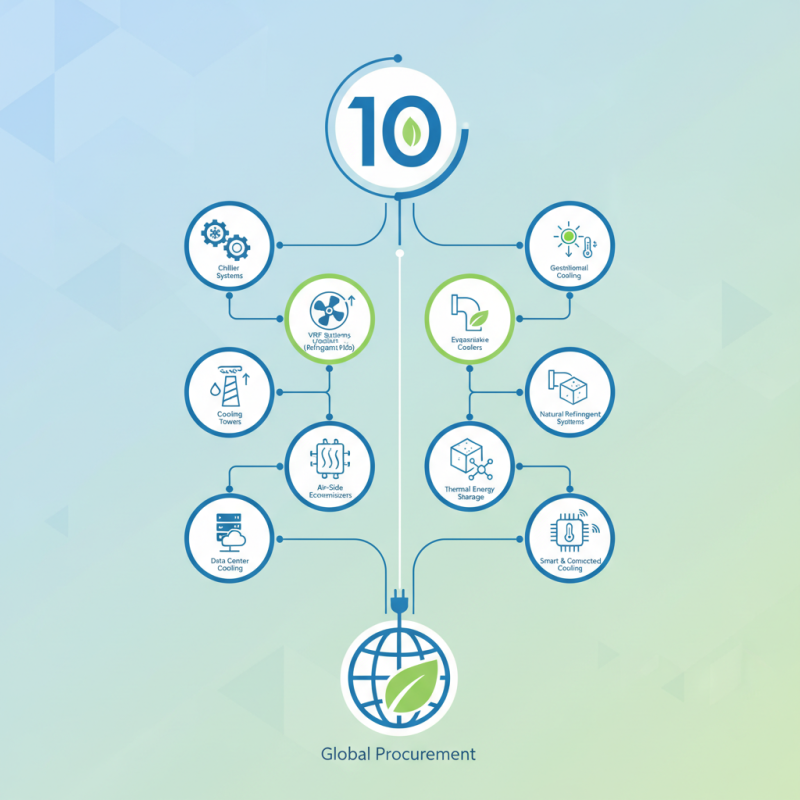
Top 10 Cooling Systems for Efficient Global Procurement?
In today's rapidly changing climate, effective cooling systems have become essential. The demand for energy-efficient solutions is rising. Businesses worldwide are increasingly aware of their energy usage and carbon footprint. As a result, cooling systems play a crucial role in sustainable global procurement. They directly impact operational efficiency and cost management.
Cooling systems vary widely in design and function. Some systems utilize advanced technology to reduce energy consumption. Others focus on eco-friendly refrigerants to minimize environmental damage. Each system has its strengths and challenges. For instance, while some cooling solutions provide immediate temperature control, they may have higher initial costs. This presents a dilemma for procurement teams. Striking the right balance is not always easy.
Knowledge of the latest cooling technologies is vital. Companies must stay updated to make informed decisions. Evaluating the efficiency, reliability, and overall performance of cooling systems is key. Failing to do so can lead to inefficiencies and higher operational costs. As the market continues to evolve, identifying the best cooling systems will remain a priority for businesses focused on efficiency and sustainability.
Overview of Cooling Systems in Global Procurement
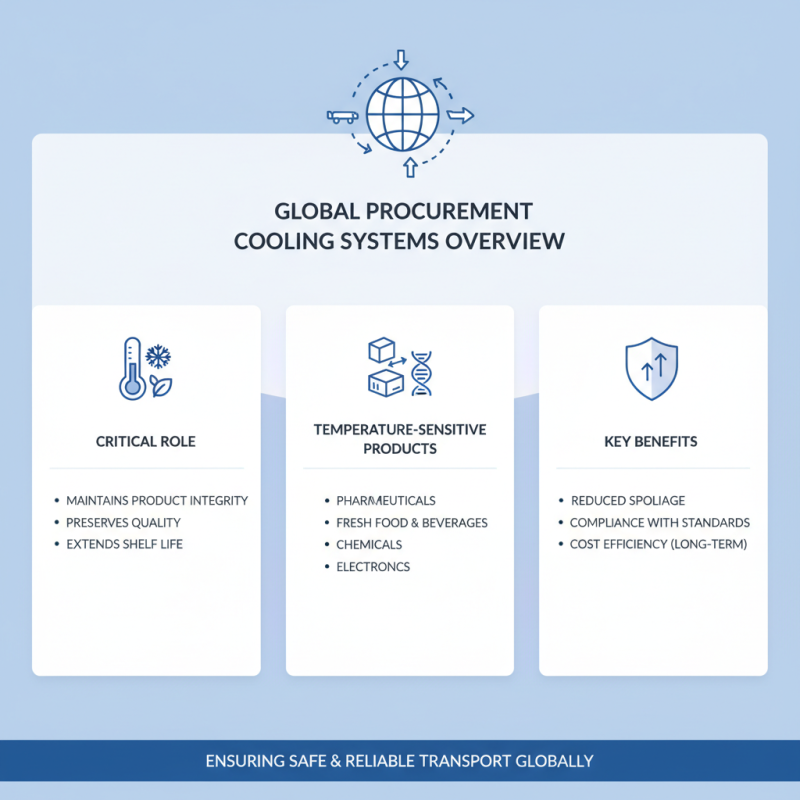
In the realm of global procurement, cooling systems play a pivotal role in maintaining product integrity. Many products, especially those sensitive to temperature variations, require specific storage and transportation conditions. Cooling systems ensure that these products remain within a safe temperature range, preserving their quality and extending their shelf life.
When evaluating cooling systems, it is essential to consider their efficiency and energy consumption. Some systems may offer ideal temperature control but at a high energy cost. This can lead to increased operational expenses, ultimately affecting the procurement budget. Over time, organizations need to assess whether these systems provide a good return on investment or merely drain resources.
Moreover, adaptability in cooling systems is crucial. Not all systems function well in diverse climates or during unexpected fluctuations in outdoor temperatures. Procurement teams must be cautious and reflect on the reliability of their cooling choices. For instance, a system that works efficiently in one region may not perform as expected in another. Regular evaluations and adjustments are necessary to ensure optimal functionality.
Importance of Efficient Cooling Systems for Supply Chain Management
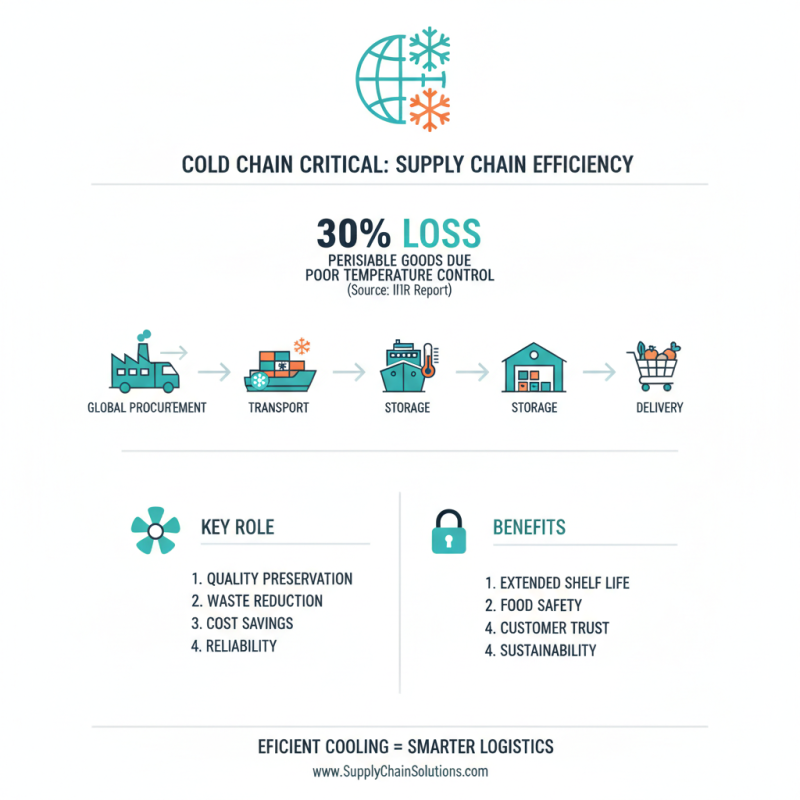
Efficient cooling systems play a critical role in supply chain management, especially in global procurement. According to a report by the International Institute of Refrigeration, improper temperature control can lead to a loss of 30% of perishable goods in transit. This statistic underscores the need for reliable cooling solutions.
In a fast-paced market, managing temperature-sensitive products like pharmaceuticals and fresh food requires precision. Companies that invest in advanced cooling technologies can reduce spoilage and waste. Studies show that maintaining optimal temperatures during transportation can improve product lifespan by up to 50%. This need for efficiency drives organizations to adopt innovative cooling systems.
However, challenges remain. Many companies face issues like maintenance delays and inadequate training for staff. A 2022 survey indicated that 45% of logistics managers reported equipment malfunctions due to lack of regular checks. Identifying these failures is crucial, as they directly impact profitability and client satisfaction. Efficient cooling is not just a technical requirement; it is a vital component that can enhance overall supply chain resilience.
Comparative Analysis of Top Cooling Technologies for Procurement
In the realm of procurement, cooling systems play a critical role in maintaining efficiency. This comparative analysis delves into the effectiveness of various cooling technologies. Passive cooling employs natural processes, offering sustainability but often lacks control over temperature levels. Active systems, on the other hand, provide precise temperature regulation but can be energy-intensive.
Evaporative cooling is another noteworthy method. It uses water's natural evaporation to cool air, which is cost-effective but may not be suitable for all climates. Refrigeration systems are reliable, yet their environmental impact raises concerns. Moreover, phase change materials offer innovative cooling solutions, utilizing materials that absorb heat as they change states. While promising, they require further research for optimization.
Each technology has its pros and cons. Some systems may not perform equally across different regions. Understanding the unique needs of specific procurement environments is crucial. Therefore, a thoughtful selection process is needed to ensure long-term efficiency and reliability.
Benefits of Energy-Efficient Cooling Solutions in Global Operations
The demand for energy-efficient cooling solutions is growing in global operations. These systems reduce energy consumption while maintaining optimal performance. They are not just about temperature control; they contribute to sustainability efforts. Companies can save costs and reduce their carbon footprint by adopting these technologies.
Energy-efficient cooling systems often utilize advanced technologies. For example, innovative refrigerants and variable-speed compressors enhance efficiency. These systems can detect load variations and adjust cooling output. However, implementation can be complex and require upfront investment. Some businesses may hesitate due to the perceived costs involved.
Despite the challenges, the benefits may outweigh the drawbacks. Organizations can experience longer-lasting equipment and reduced maintenance costs. Additionally, energy-efficient solutions position companies as environmentally responsible players. This can attract eco-conscious customers. Not every cooling system fits every operation, though. Selecting the right technology requires careful evaluation and expert insights.
Future Trends in Cooling System Innovations for Procurement Efficiency
Innovations in cooling systems are shaping the future of global procurement efficiency. Cutting-edge technologies enhance energy use in warehouses and distribution centers. Advanced algorithms monitor temperatures, adjusting cooling as needed. This dynamic capability leads to significant energy savings. Combining temperature sensors with AI-driven analytics, businesses can maintain optimal product conditions.
The shift towards sustainability is also evident. New materials are being researched for better insulation. These materials not only improve cooling efficiency but also reduce environmental impact. However, adopting such technologies comes with challenges. Initial costs can be high, and integration into existing systems requires careful planning.
Continuous monitoring is vital in these systems. Real-time data collection helps in identifying inefficiencies quickly. However, reliance on technology raises concerns about system failures. A backup plan is essential to ensure uninterrupted operations and maintain product integrity. By embracing innovation while addressing potential pitfalls, businesses can navigate the future of efficient procurement with confidence.