How to Choose the Right Industrial Heat Exchanger for Your Needs?
Choosing the right Industrial Heat Exchanger is crucial for efficiency and performance in production processes. According to the Global Heat Exchanger Market Report, the industry is projected to reach $24 billion by 2025, driven by increasing demand for energy-efficient solutions. With numerous types available, each with distinct applications, understanding your specific needs becomes vital.
The efficiency of an Industrial Heat Exchanger directly affects energy consumption. Inefficient exchangers increase operational costs and waste resources. For instance, poorly designed systems can lead to energy losses of 20%-30%. This data highlights the importance of selecting the right model for your operations. Factors such as fluid type, operating temperatures, and space constraints must be carefully considered.
While there are standard guidelines, every application is unique. Relying on generic suggestions can lead to misaligned choices. Engaging with industry experts can provide insights tailored to your situation. A thorough analysis of your processes can reveal the most suitable solution. Reflecting on past experiences with heat exchangers may also uncover areas for improvement. Proper selection not only enhances performance but also supports sustainable practices in industrial settings.
Understanding the Function and Types of Industrial Heat Exchangers
Industrial heat exchangers play a critical role in various processes. They transfer heat between two or more fluids, making them vital in many industries. Understanding their function helps in selecting the right type for your needs.
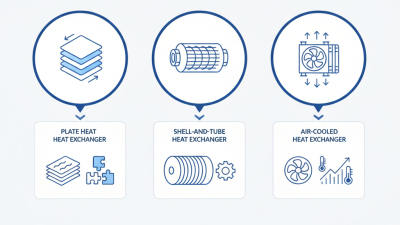
There are several types of industrial heat exchangers, including shell and tube, plate, and finned-tube. Shell and tube exchangers are robust and efficient. They are often used in high-pressure applications. Plate exchangers are compact and offer high heat transfer efficiency. However, they may not handle high pressures well, leading to potential leaks. Finned-tube exchangers maximize surface area and improve heat transfer. They are suitable for air-to-liquid systems.
Each type has its pros and cons, making it vital to analyze your specific requirements. Factors like temperature, pressure, and fluid types play a big role in decision making. Sometimes, users might overlook maintenance needs or compatibility issues. This could lead to inefficiencies and higher operational costs. Evaluate these aspects carefully to ensure optimal performance.
Assessing Your Heat Transfer Requirements and System Specifications
Selecting the right industrial heat exchanger begins with understanding your heat transfer requirements. Every application is unique and demands specific considerations. Industry data shows that efficient heat exchangers can save up to 30% in energy costs. Evaluating the temperature range and flow rates is crucial. A poorly matched heat exchanger can lead to inadequate thermal performance, resulting in operational inefficiencies.
System specifications also play a significant role. Knowing the fluid types involved is critical. For instance, corrosive fluids require specialized materials. According to a study by the International Journal of Thermal Sciences, material choices significantly impact the longevity and reliability of heat exchangers. Failure to account for pressure drops can result in increased operational costs. Regular maintenance should be factored into your decision as well.
Ignoring these aspects can lead to poor system performance. The wrong heat exchanger choice may result in frequent breakdowns and costly repairs. It's essential to gather data, assess requirements carefully, and consult with experts. The right choice in heat exchangers not only boosts efficiency but also prolongs the lifespan of your system.
Evaluating Material Compatibility and Operating Conditions
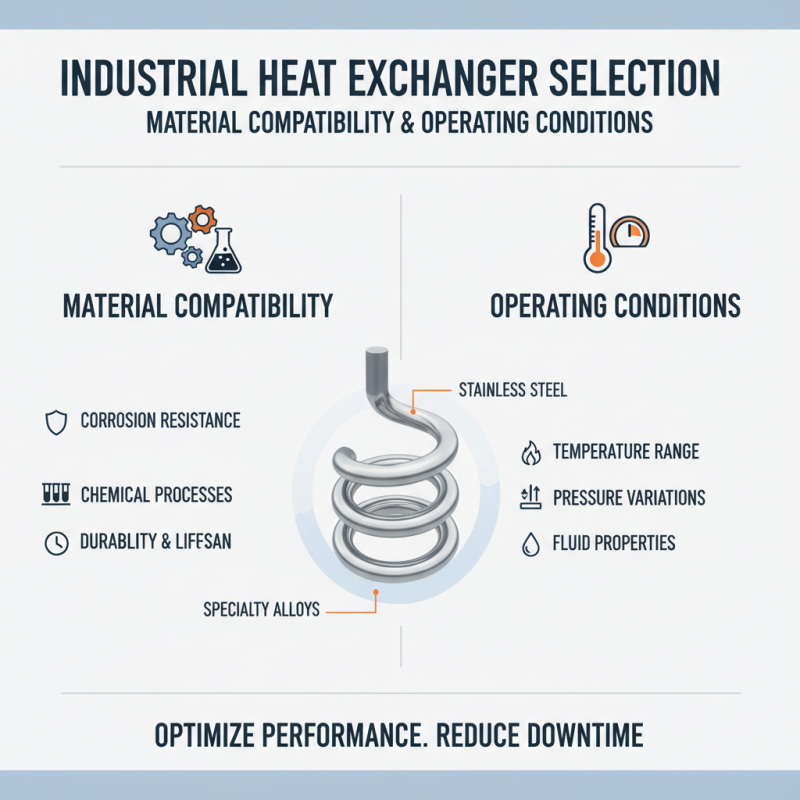
When selecting the right industrial heat exchanger, material compatibility is crucial. The materials you choose will directly affect performance and durability. For instance, stainless steel is often preferred for its corrosion resistance. However, for certain chemical processes, specific alloys may be required. Understanding your application and the materials involved is vital.
Operating conditions also play a significant role. Factors such as temperature and pressure must be evaluated carefully. High temperatures can degrade certain materials over time. Regular maintenance becomes essential to avoid failures. Consider the environment in which the heat exchanger operates. For example, humid conditions might lead to rust if unsuitable materials are used.
Choosing the right heat exchanger involves assessing both material properties and the operating conditions. Mistakes in selection can lead to inefficiencies or breakdowns. It’s important to consult with experts and analyze all factors thoroughly. This approach helps ensure the heat exchanger operates reliably in its intended application.
Comparing Efficiency, Cost, and Maintenance Factors
When selecting an industrial heat exchanger, efficiency is a critical factor. Higher efficiency means more effective heat transfer, which can significantly reduce energy costs. Consider the heat exchanger's design, material, and flow arrangement. Each design offers distinct advantages and disadvantages. For example, shell-and-tube heat exchangers usually provide efficient performance but may require more space.
Cost is another essential element. Initial purchase prices can vary widely based on materials and complexities. Maintenance costs are often overlooked. They can accumulate over time, particularly for models with more moving parts or intricate designs. Simple models might have lower upfront costs but end up with higher maintenance expenses. Selecting a model that balances cost with long-term reliability is crucial for sustainable operations.
Maintenance factors also play a vital role. Regular inspections and cleaning can prolong the lifespan of the heat exchanger. Some designs are easier to access, simplifying maintenance processes. Neglecting this aspect can lead to inefficiencies and costly repairs down the line. It's worth considering models that facilitate routine upkeep without needing extensive downtime. Engaging experts during the selection process can provide valuable insights into balancing these factors.
How to Choose the Right Industrial Heat Exchanger for Your Needs?
Making an Informed Decision: Selecting the Right Manufacturer and Model
Selecting the right manufacturer for industrial heat exchangers is crucial. An informed choice can improve efficiency and performance. Look for manufacturers with a rich history in the industry. Check their credentials and certifications. These validations show their commitment to quality. They should also have experience in your specific application.
Consider the technology they use. Advanced designs often yield better heat transfer and energy savings. Analyze their materials, as durability affects lifespan. It’s essential to obtain product specifications. Don’t hesitate to ask about previous projects. A reputable manufacturer will share case studies to showcase their expertise.
Visit their facilities if possible. Observing their processes can reveal much about their standards. Pay attention to their customer service. A responsive team indicates good support post-purchase. Reflect on your requirements and ensure they align with the manufacturer’s offerings. Your decision can have long-term impacts. Choose wisely.