Why Choosing the Right Heat Exchanger Materials Matters?
Choosing the right heat exchanger materials is crucial for efficiency and reliability. In industries like oil and gas, the wrong materials can lead to costly failures. A recent study indicates that up to 30% of heat exchanger breakdowns stem from material selection issues. For instance, stainless steel is often preferred for its corrosion resistance, but alternatives like titanium may be better in some applications.
The performance of heat exchangers is highly dependent on the materials used. According to the International Energy Agency, optimizing heat exchanger materials could improve energy efficiency by 10% to 20%. This can result in significant cost savings. However, many engineers overlook this factor during design, risking operational failures down the line.
Incorrect material choices can also lead to increased maintenance costs. Reports suggest that improper materials can raise maintenance expenses by 15% to 25%. It’s vital for companies to analyze their specific conditions thoroughly. Each project demands a careful evaluation of heat exchanger materials. With the right selection, they can enhance durability and performance, ultimately benefiting their bottom line.
Understanding the Functionality of Heat Exchangers in Various Applications
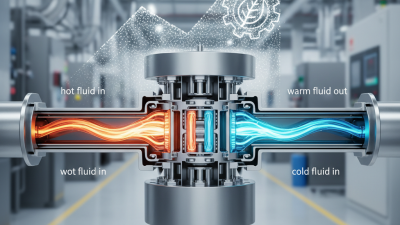
Heat exchangers play a critical role in many industries, from HVAC to chemical processing. They transfer heat from one medium to another, often between liquids or gases. The materials used in these devices directly influence their efficiency and longevity. For example, copper is a popular choice due to its thermal conductivity. However, it may corrode quickly in certain environments. This raises questions about choosing the right materials carefully.
The choice of materials affects not just performance but also maintenance costs. Stainless steel, while more durable, can be more expensive. In applications involving corrosive substances, failing to select appropriate materials can lead to system failures. This can result in downtimes and financial losses.
Innovations in material science are ongoing, yet many industries still rely on traditional choices. This invites scrutiny on whether they are optimizing their systems effectively. It's essential to evaluate both initial and long-term costs thoroughly. Making informed decisions can lead to more efficient and sustainable heat exchange processes.
Key Factors Influencing Material Selection for Heat Exchangers
Selecting the right materials for heat exchangers is crucial. Various factors influence this choice. First, the operating environment plays a significant role. High temperatures or corrosive substances can impact material integrity. Stainless steel is often favored for its resistance to rust, but it can be costly.
Thermal conductivity is another key consideration. Materials with high thermal conductivity enhance heat transfer efficiency. Copper is an excellent choice, but it is prone to corrosion in certain conditions. Balancing cost with performance is vital.
Operational pressures also matter. Engineers must evaluate the pressure conditions the heat exchanger will experience. Some materials may not withstand high pressure, leading to failures. Regular maintenance and inspections are essential to ensure longevity. Ultimately, successful material selection requires a blend of knowledge, experience, and ongoing assessment.
Common Materials Used in Heat Exchanger Construction and Their Properties
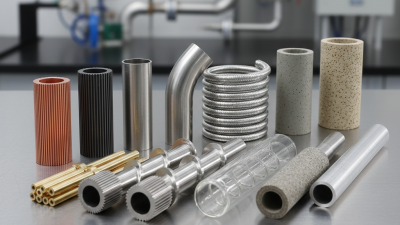
Selecting the right materials for heat exchangers is crucial. Various materials offer unique properties that can significantly affect efficiency and longevity. Copper is a common choice. It boasts excellent thermal conductivity, making it suitable for applications requiring efficient heat transfer. However, it can corrode in certain environments, limiting its use.
Stainless steel is another popular option. Its corrosion resistance makes it ideal for harsh conditions. It is durable and can handle high pressures. On the downside, stainless steel is not as conductive as copper. This can lead to less efficient heat transfer.
Aluminum is a lightweight alternative. It is cost-effective and shows good thermal properties. But, it is less resistant to chemical attack, which may lead to quicker degradation. Each material has strengths and weaknesses. The choice often hinges on specific operating conditions and budget constraints. Understanding these factors is essential for optimal heat exchanger performance.
Impact of Corrosion Resistance on Longevity of Heat Exchanger Materials
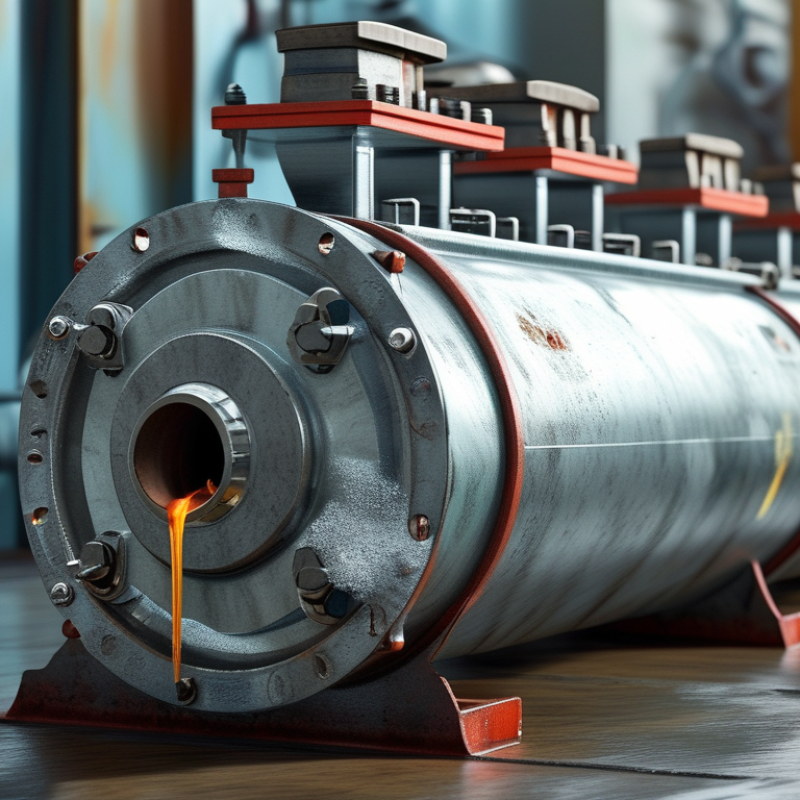
When selecting materials for heat exchangers, corrosion resistance plays a crucial role. Corrosion can lead to significant damage over time, decreasing efficiency and increasing maintenance costs. Choosing materials with adequate resistance to corrosive environments can extend the lifespan of heat exchangers. For example, stainless steel and certain alloys are often preferred for their durability. However, even these materials can face challenges in harsh conditions.
The impact of corrosion on heat exchangers is substantial. A small crack can develop into a major leak, leading to system failures. Regular inspections are necessary to catch early signs of corrosion. Some operators assume that experience alone can guide decisions, but this is often a flawed approach. In-depth material analysis can provide insights that experience may overlook. Engaging with experts who understand the latest advancements in corrosion resistance is vital for making informed choices.
Ignoring corrosion resistance can result in catastrophic failures in industrial settings. Operators must strike a balance between cost and material longevity. Sometimes, cheaper options may seem appealing but can lead to higher overall costs in repairs and downtime. This common oversight can compromise operational integrity. Choosing the right material is not merely about immediate savings; it’s about long-term performance and reliability.
Impact of Corrosion Resistance on Longevity of Heat Exchanger Materials
Cost-Benefit Analysis of Different Heat Exchanger Materials
Selecting the right materials for heat exchangers is crucial for efficiency and longevity. Different materials offer various thermal conductivities and corrosion resistance levels. A cost-benefit analysis reveals significant differences in lifespan and maintenance costs. For instance, copper offers high thermal conductivity but may corrode in certain environments, leading to increased replacement costs.
Steel, while durable and resistant to high temperatures, may not provide optimal thermal performance in all scenarios. According to industry reports, the initial investment in corrosion-resistant alloys can yield savings by reducing maintenance needs. A study found that over a 10-year period, systems using advanced materials saved up to 30% in maintenance costs compared to traditional materials.
In some cases, the lower initial cost of lower-grade materials results in higher long-term expenses. This highlights the importance of evaluating both upfront costs and potential lifetime savings when choosing heat exchanger materials. Design engineers should also consider the specific operating environment and fluid characteristics, as these factors significantly impact material performance.