How to Choose the Best Copper Engine Radiator for Your Vehicle?
When selecting a Copper Engine Radiator for your vehicle, it's crucial to understand the fundamental qualities that distinguish a high-quality product. John Thompson, a renowned expert in automotive cooling systems, once stated, "The right radiator can significantly enhance your engine's efficiency." This highlights the importance of making an informed choice.
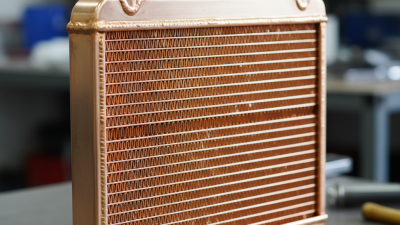
Copper Engine Radiators are known for their excellent heat conductivity and durability. They can withstand extreme conditions, ensuring your engine remains cool. However, not all copper radiators are created equal. It's essential to consider factors like design, size, and compatibility with your specific make and model.
While many assume that a higher price guarantees better quality, that’s not always the case. Some cheaper options might perform just as well under specific conditions. It’s important to do proper research and read consumer reviews. Investing time in selecting the right Copper Engine Radiator can lead to better engine performance and longevity. The decision might seem daunting, but thorough evaluation is key to a successful outcome.
Understanding the Importance of Copper Radiators in Vehicles
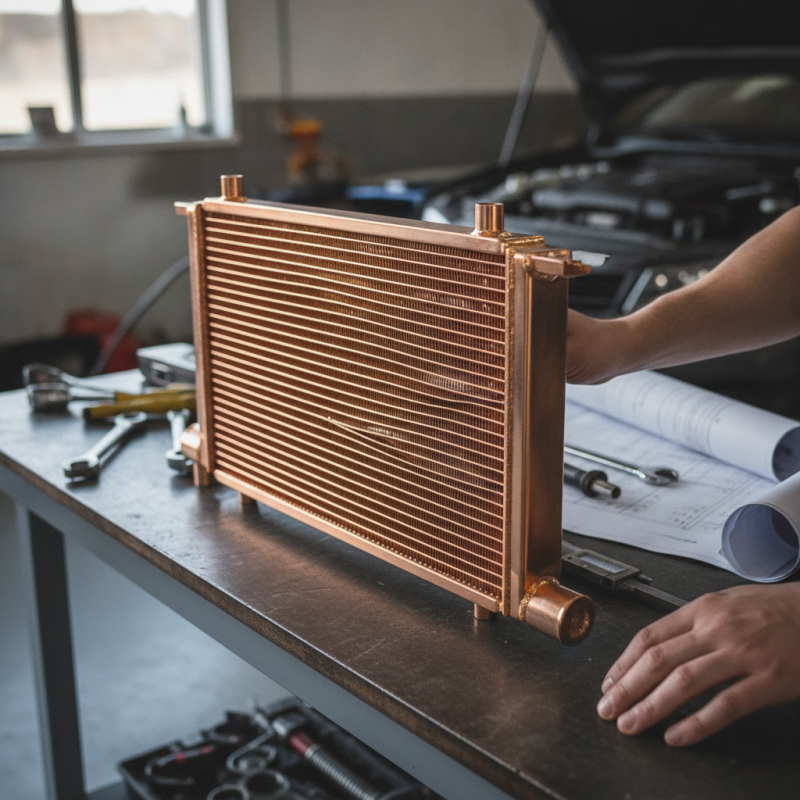
Copper radiators play a crucial role in vehicle performance. They efficiently transfer heat, ensuring your engine runs within optimal temperatures. This efficiency prolongs engine life and maintains fuel efficiency. Unlike other materials, copper can better withstand high temperatures and resist corrosion. Understanding these advantages is vital for every vehicle owner.
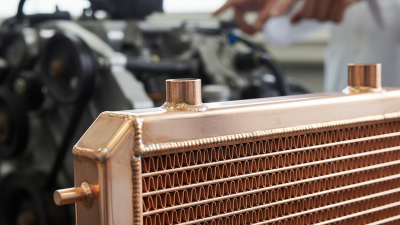
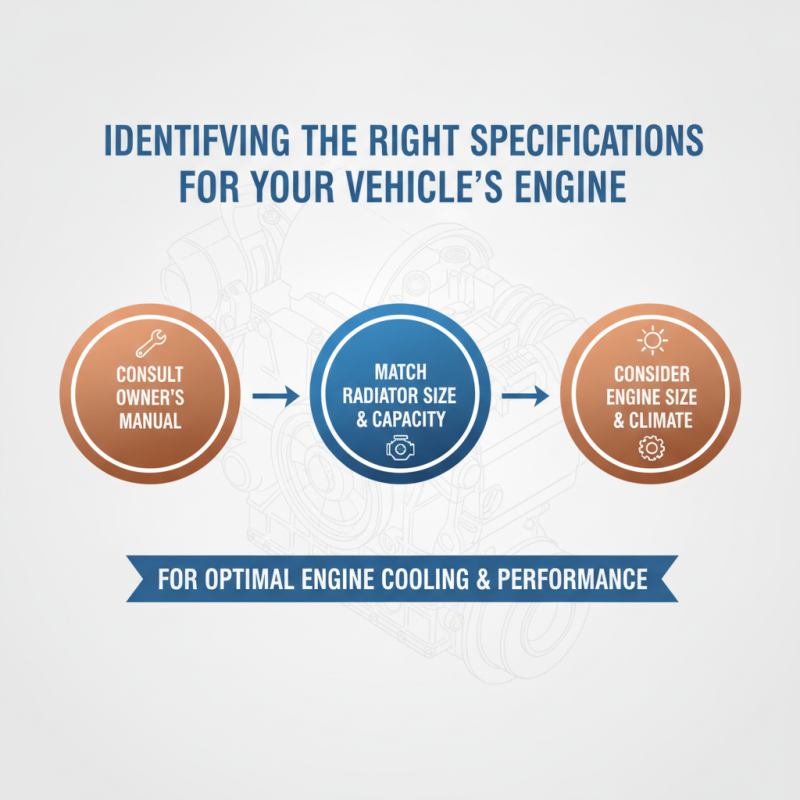
Choosing a copper radiator means considering various factors. First, check compatibility with your vehicle model. Ensure proper fitment to avoid installation issues. Evaluate the thickness and fin design of the radiator. A well-designed radiator can enhance cooling capacity. Pay attention to the soldering quality, as this impacts durability.
Tips for selecting a copper radiator: Look for a seamless design. These provide better strength and reduce the risk of leaks. Regular maintenance is essential. Inspect your radiator periodically for any signs of wear or corrosion. Keep an eye on coolant levels, as low levels can lead to overheating. A proactive approach helps avoid costly repairs in the long run.
How to Choose the Best Copper Engine Radiator for Your Vehicle?
| Feature |
Importance |
Considerations |
| Material Quality |
Durability and thermal conductivity |
Look for high-purity copper |
| Core Size |
Affects cooling efficiency |
Choose based on vehicle specifications |
| Fin Design |
Improves heat transfer |
Consider enhanced fin configurations |
| Compatibility |
Ensures proper fit and function |
Check OEM specifications |
| Price |
Reflects quality and performance |
Balance cost with features |
Comparing Different Types of Copper Radiators Available
When choosing a copper engine radiator, it's essential to consider the different types available. Typically, copper radiators come in two varieties: standard and high-performance. Standard radiators are adequate for everyday vehicles. They provide reliable cooling without excessive weight. High-performance models, on the other hand, excel in demanding conditions. They often feature thicker cores and improved cooling capacities.
Tips for selection: Always check the vehicle's specifications before purchase. Compatibility is crucial. Misfit radiators can lead to leaks or overheating. Consider the core thickness as well. A thicker core means better heat dissipation. However, heavier radiators can impact performance.
Flow design is also critical. Crossflow radiators offer efficient cooling for larger engines. Downflow types work better in compact spaces. Make sure to assess where your radiator will fit. Reflect on the installation complexity as well. Some models require more intricate setup than others. Keep in mind the maintenance aspect. A more complex design may need extra attention over time. Choose wisely based on your driving conditions and maintenance willingness.
Comparison of Copper Radiators Based on Vehicle Type
This chart shows the average cooling efficiency of different types of vehicles utilizing copper radiators. Understanding these performance metrics can assist in choosing the best copper engine radiator for your specific vehicle type.
Evaluating Quality and Durability of Copper Radiators
When selecting a copper engine radiator, evaluating quality and durability is essential. Copper radiators have long been favored for their excellent thermal conductivity. In fact, studies indicate that copper can transfer heat 90% more efficiently than conventional aluminum. This efficiency can directly impact engine performance and longevity.
The construction of the radiator is vital. A well-built copper radiator should feature robust solder joints and high-quality copper. Research shows that poorly constructed radiators can lead to leaks and overheating, leading to potential engine damage. Be cautious of signs of corrosion or wear, as these can greatly affect durability.
Tips for buyers: Always check for warranty details. A solid warranty can indicate the manufacturer’s confidence in their product. Additionally, consider investing in aftermarket testing services. A thorough inspection can reveal hidden issues. While copper radiators can be more expensive upfront, their longevity often offsets the initial cost, providing greater value over time.
Installation Tips for Optimal Performance of Copper Radiators
Installing a copper engine radiator can greatly enhance your vehicle's cooling efficiency. However, proper installation is crucial to ensure optimal performance. Here are some tips to help you through the process.
Before installation, clean all surfaces to eliminate dirt and debris. This step is vital as it ensures a tight seal, preventing leaks. Use a compatible sealant on the gasket. It can make a difference in preventing overheating issues. Remember, a small oversight can lead to significant problems later.
Check the alignment of the radiator during installation. Misalignment can cause undue stress on hoses and fittings. Ensuring everything is correctly positioned will contribute to better longevity. Additionally, always refer to your vehicle's manual for specific installation instructions. Even minor variations in models can affect how parts fit together. Taking the time to verify these details is worthwhile.
After installation, run the engine at idle. Monitor the system for leaks. It’s an essential step that many overlook. Don't hesitate to revisit your work if you notice any signs of coolant leaks or unusual noises. This proactive approach can save time and prevent future issues. Proper installation isn't just about fitting parts; it's about ensuring reliability for your engine.