2026 Top Copper Engine Radiator Buying Guide for Global Buyers?
The demand for Copper Engine Radiators is soaring in the automotive industry. According to a recent market analysis by Research and Markets, the global automotive radiator market is expected to reach $5.3 billion by 2026. This increase is driven by the rise in vehicle production and the growing need for efficient cooling systems. Experts emphasize that the use of copper in radiator designs significantly enhances heat dissipation, making them superior to aluminum counterparts.
Dr. Emily Torres, an industry expert in thermal management systems, states, "Copper Engine Radiators offer unmatched thermal conductivity, critical for improving engine performance and longevity." However, not all manufacturers prioritize quality. Some use lower-grade copper that may compromise performance. Understanding these variations is essential for buyers.
As the market evolves, innovation is key. Many companies are experimenting with hybrid materials to improve efficiency further. While this is promising, it raises questions about durability and cost-effectiveness. Buyers must navigate these complexities to ensure they select a Copper Engine Radiator that meets their needs without sacrificing quality.

Understanding Copper Engine Radiators: An Overview of Benefits and Uses
Copper engine radiators have been a popular choice due to their effective heat transfer capabilities. This material quickly dissipates heat, ensuring your engine runs smoothly, even during the toughest conditions. Owners appreciate the long lifespan of copper radiators, which can endure wear better than some alternatives. Their ability to repair easily is another plus.
However, the weight of copper might raise concerns for some buyers. It can add extra load to the vehicle, possibly impacting performance slightly. Understanding how to manage this weight is crucial for optimal vehicle efficiency.
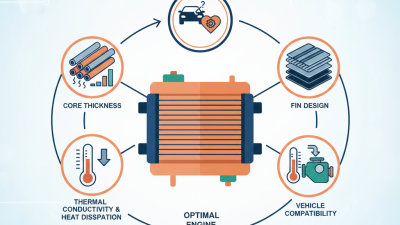
**Tips:** When choosing a copper radiator, consider the thickness and fin count. Thicker radiators often retain heat better. Also, check compatibility with your engine model before purchasing. Regular maintenance is essential. Cleaning the fins can greatly improve performance over time.
2026 Top Copper Engine Radiator Market Analysis
This chart illustrates the key benefits of copper engine radiators, highlighting their efficiency in cooling, corrosion resistance, weight advantages, high thermal conductivity, and overall cost-effectiveness. The data is presented as a bar chart to facilitate comparison across these important dimensions.
Key Factors to Consider When Choosing a Copper Engine Radiator
When selecting a copper engine radiator, several key factors must be considered. The size of the radiator is crucial. It needs to fit your vehicle’s specifications. Insufficient size can lead to overheating. On the flip side, an oversized unit may look awkward and complicate installation.
The construction quality is another important aspect. Copper radiators offer excellent thermal conductivity. However, not all copper radiators are created equal. Assess the thickness of the copper and the soldering quality. Thin materials can lead to leaks down the road. Additionally, check for corrosion resistance. Even high-quality copper can degrade over time.
Compatibility with your engine type is vital. Different engines have specific cooling requirements. Ensure the radiator can handle your engine's heat output. Furthermore, pay attention to the warranty offered. A robust warranty reflects the manufacturer’s confidence in the product. Without assurance, you may face unexpected repair costs. Make informed choices based on thorough research and available resources.
2026 Top Copper Engine Radiator Buying Guide for Global Buyers
| Key Factors |
Details |
Considerations |
| Material Quality |
Ensure the copper is of high purity and resistance to corrosion. |
Look for specifications detailing the copper grade used. |
| Cooling Efficiency |
Assess the radiator's ability to dissipate heat effectively. |
Check for independent tests or customer reviews regarding temperature management. |
| Size and Fit |
Verify dimensions to ensure compatibility with your engine. |
Cross-reference with vehicle specifications for accurate fitment. |
| Durability |
Select radiators that are built to withstand harsh conditions. |
Look for warranties or guarantees on the radiator’s lifespan. |
| Cost |
Evaluate pricing in relation to quality and brand reputation. |
Compare multiple suppliers to find competitive prices. |
Comparative Analysis: Copper vs. Other Materials in Engine Radiators
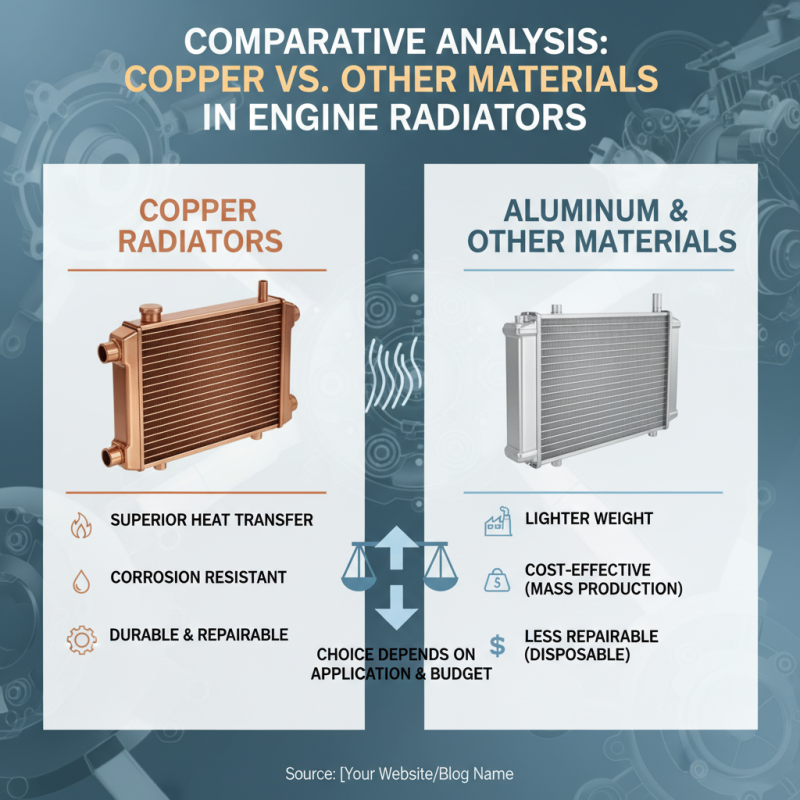
When considering engine radiators, the choice between copper and other materials warrants careful analysis. Copper is well-known for its excellent thermal conductivity, surpassing aluminum by nearly 60%. This property aids in quicker heat dissipation. According to industry reports, copper radiators typically exhibit a 2-3°C lower operating temperature compared to their aluminum counterparts, enhancing engine efficiency.
However, copper's higher cost and weight can be significant drawbacks. While it offers superior performance, many buyers opt for lighter aluminum designs. These alternatives have become prevalent due to their lower manufacturing costs. A recent market study indicated that over 70% of new vehicles now utilize aluminum radiators, reflecting a trend towards weight reduction and cost efficiency in automotive design.
Still, some experts question whether compromising on material could impact durability and long-term performance. Copper radiators, while heavier, can provide better longevity due to their resistance to corrosion. Interestingly, the choice ultimately hinges on trade-offs between weight, cost, and thermal performance. As engineers explore innovative materials, future trends may unearth new solutions that blend the advantages of both worlds.
Global Market Trends: Copper Engine Radiator Demand and Supply Dynamics
The global demand for copper engine radiators is experiencing significant growth, driven by various industries. As a crucial component in vehicles, these radiators effectively dissipate heat, ensuring optimal engine performance. The increasing focus on vehicle efficiency and sustainability reinforces the need for reliable cooling solutions. Countries with growing automotive sectors are showing a rising interest in copper radiators.
However, challenges persist in the supply chain. Copper prices fluctuate, impacting production costs. This variability affects both manufacturers and consumers. Additionally, sourcing raw materials sustainably becomes a critical consideration. Consumers will have to balance cost and environmental impact when making purchasing decisions. As the market evolves, educating buyers about effective radiator options is vital.
Understanding these dynamics may lead to better buying choices. It’s also essential for buyers to consider local regulations regarding manufacturing and recycling. The evolving landscape of copper engine radiators requires constant adaptation. Engaging with industry experts can provide deeper insights into market trends and technical advancements.
Top Brands and Manufacturers of Copper Engine Radiators in 2026
In 2026, the market for copper engine radiators is expected to see significant growth. Industry reports estimate a 7% annual increase in demand. This trend indicates a rising interest in durable and efficient automotive components. Copper radiators are highly regarded for their excellent thermal conductivity. This quality allows engines to maintain optimal temperatures, enhancing performance levels.
Several brands are acknowledged for their expertise in manufacturing high-quality copper radiators. They specialize in using advanced technologies. This helps ensure that their products meet global standards. Reports suggest that manufacturers invest heavily in research and development. However, not all brands prioritize sustainability. Some production methods may harm the environment. Buyers should consider manufacturers that adopt eco-friendly practices.
When selecting a copper engine radiator, identify crucial factors like compatibility and efficiency. Despite the plethora of options, not every product will meet specific vehicle requirements. Misunderstanding these needs can lead to subpar performance. Additionally, consumers should watch for fluctuating prices and market conditions. Clarifying these aspects can prevent potential pitfalls during the purchasing process, leading to informed decisions.