Top 10 Tips for Maintaining Heat Exchanger Tubes?
Maintaining heat exchanger tubes is vital in various industries. Experts emphasize their importance in efficiency and safety. John Smith, a seasoned engineer in the heat exchanger sector, once stated, “Regular maintenance of heat exchanger tubes can prevent costly downtimes.”
Heat exchanger tubes face constant stress from thermal and mechanical forces. Small issues can escalate fast. Regular visual inspections and monitoring can catch problems early. Monitoring systems help detect leaks or corrosion before they worsen.
Neglecting maintenance can lead to performance drops. We often overlook the impact of simple actions. Applying the right cleaning methods is essential. Not all cleaning agents are suitable for every tube material. Remember, daily operations can reveal how well these tubes perform.
Key Considerations for Heat Exchanger Tube Material Selection
Selecting the right material for heat exchanger tubes is critical for optimal performance. Corrosion resistance is a key consideration. Choose materials that can withstand the specific fluids involved. Common options include stainless steel and copper alloys, but they may not suit all conditions. Think about the thermal conductivity too. Higher conductivity can improve efficiency.
Maintenance of heat exchanger tubes cannot be overlooked. Regular cleaning is essential. It prevents fouling and promotes better heat transfer. Utilize proper cleaning methods to avoid damaging the tubes. Inspect for leaks or corrosion regularly. Ignoring small issues can lead to bigger problems.
Consider the operating environment as well. Factors like temperature, pressure, and fluid composition play a role in material selection. Review the compatibility of materials with operational conditions. Failing to do so might result in premature tube failure. Pay attention to these details. Regular assessments will help improve longevity and efficiency.
Regular Inspection Techniques for Heat Exchanger Tubes
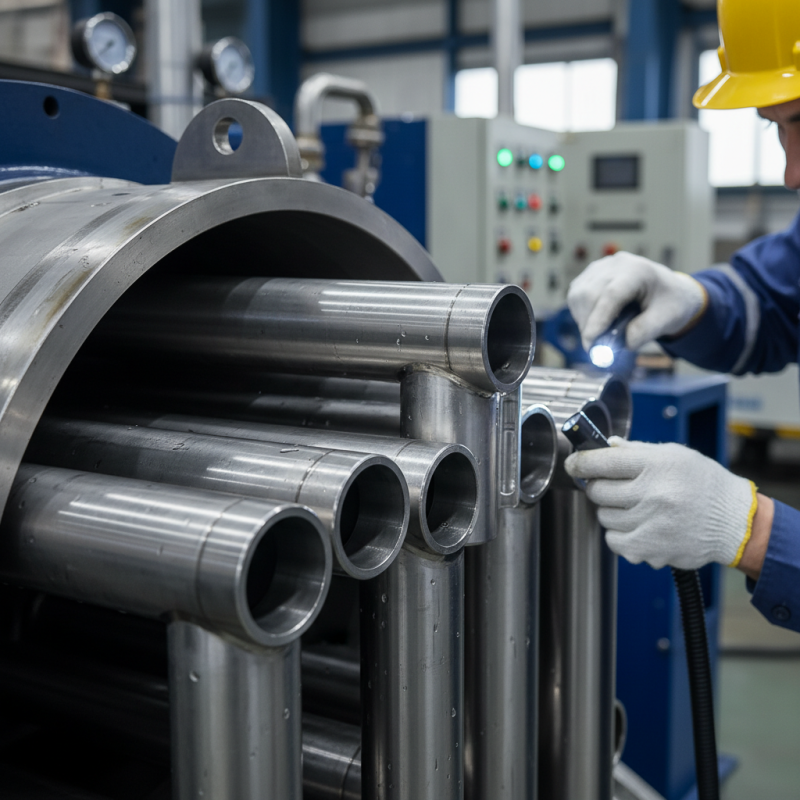
Regular inspection of heat exchanger tubes is crucial for optimal performance. Studies show that about 30% of heat exchanger failures are due to poor maintenance. To prevent this, make it a habit to conduct routine inspections. Use visual checks to identify corrosion or fouling. This can save significant costs in repairs and downtime.
Advanced techniques, like ultrasonic testing, can detect issues early. A report by a leading engineering firm suggested that incorporating these methods can increase efficiency by 40%. However, many facilities still rely on basic inspection. This may lead to missed opportunities for improvement.
It is essential to document each inspection thoroughly. Overlooking details may create problems later. Trends in the data can indicate when maintenance is truly needed. Relying on outdated methods can hinder progress. Emphasizing both routine checks and advanced techniques can lead to better reliability.
Effective Cleaning Methods to Prevent Fouling in Heat Exchangers
When it comes to heat exchangers, fouling is a common issue that can lead to inefficiencies. Regular cleaning is essential to maintain optimal performance. Among effective methods, chemical cleaning holds significant importance. This process uses specially formulated solutions to dissolve deposits. It can effectively tackle scales, oils, and other contaminants that accumulate over time.
Mechanical cleaning is another approach worth considering. This involves using brushes or scrapers to remove buildup. While this method works well for some deposits, it might not be enough for tougher fouling. Regular visual inspections can help identify buildups early. Addressing these issues promptly can save time and energy in the long run.
Monitoring the flow rates and temperatures is crucial as well. Any deviation could indicate fouling issues that need immediate attention. While routine maintenance is the ideal solution, sometimes unforeseen fouling occurs. Learning from past experiences can lead to better preventive measures in the future. Embracing a proactive mindset is key to extending the lifespan of heat exchanger tubes.
Top 10 Tips for Maintaining Heat Exchanger Tubes
Best Practices for Monitoring Temperature and Pressure in Heat Exchangers
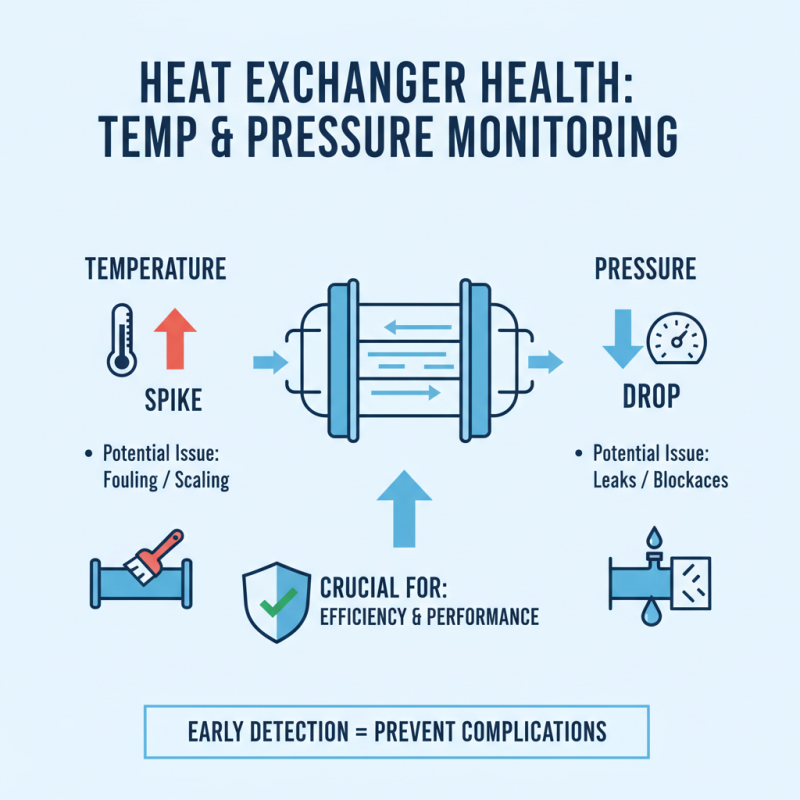
Monitoring temperature and pressure in heat exchangers is crucial. These parameters directly affect efficiency and performance. Regularly checking these readings helps identify potential issues early. A small deviation can lead to significant complications. For example, a minor temperature spike may indicate fouling or scaling inside tubes. Pressure drops might suggest leaks or blockages. Both conditions can escalate quickly if not addressed.
Implementing a consistent monitoring routine is essential. Use reliable sensors to track changes continuously. Data logging provides valuable insights over time. Analyze trends to predict maintenance needs. Visual inspections should also be part of the process. Sometimes, a simple look can reveal problems not shown in readings. Don’t overlook any odd sounds or vibrations; they may signal deeper issues.
However, it's not always perfect. Sometimes, sensors fail or provide inaccurate data. Regular calibration is needed to maintain accuracy. Be prepared to investigate discrepancies, as they could indicate deeper problems. It is vital to encourage a culture of vigilance. Ensure everyone involved knows what to watch for. Together, these practices can enhance the longevity of heat exchanger tubes.
Important Maintenance Strategies to Extend Heat Exchanger Lifespan
Heat exchangers are vital components in various industries, yet many do not prioritize their maintenance. Regular inspections can prevent costly failures. Studies indicate that improper maintenance contributes to up to 30% of heat exchanger issues. A well-maintained heat exchanger can last significantly longer, often exceeding design expectations by up to 40%.
One critical strategy involves routine cleaning. Deposits can build up in the tubes, reducing efficiency. A report from the American Society of Mechanical Engineers emphasizes that fouling can decrease heat transfer efficiency by 50%. Regularly scheduling cleaning not only enhances performance but also reduces the risk of unexpected downtime. Additionally, monitoring the operating temperatures and pressures is crucial. Deviations can signal underlying problems that require immediate attention.
Another important aspect is the use of proper fluids. Not all fluids interact well with tube materials. Some can cause corrosion or scaling, leading to premature failures. Research shows that selecting the right fluid can improve lifespan by 20% or more. Ensuring compatibility is essential for long-term reliability. Regularly reviewing performance data and adjusting as necessary is often overlooked but vital in achieving optimal functionality.