Top 10 Thermal Management Coolers to Enhance Your Equipment Performance
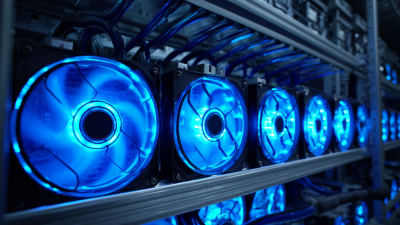
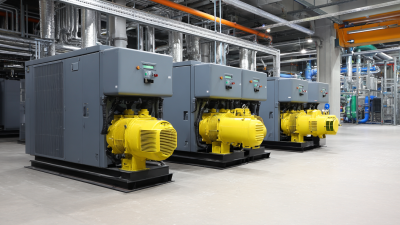
In today's high-performance technological landscape, maintaining optimal operating temperatures is crucial for equipment efficiency and longevity. The challenge of heat dissipation is prevalent across various industries, from manufacturing to data centers, where overheating can lead to substantial performance degradation and even hardware failures. This is where the significance of a Thermal Management Cooler becomes evident. These innovative cooling solutions are specifically designed to regulate temperatures, enhancing the performance and reliability of equipment.

In this guide, we will explore the top 10 Thermal Management Coolers that can elevate the efficiency of your equipment. By understanding their unique features and benefits, you can make informed decisions on the best cooling solutions tailored to your specific needs. Whether you are looking to enhance the performance of your computer systems, industrial machinery, or sensitive electronic devices, the right Thermal Management Cooler is essential.
Join us as we delve into the leading options available and learn how they can significantly improve your operational performance while safeguarding your investments against the detrimental effects of heat.
How Thermal Management Coolers Influence Equipment Lifespan: An In-Depth Analysis
Effective thermal management is crucial for enhancing the performance and lifespan of equipment across various industries. Overheating can lead to accelerated wear and tear, component failure, and ultimately, costly downtimes. By implementing thermal management coolers, businesses can maintain optimal operating temperatures, ensuring that machinery runs smoothly and efficiently. This proactive approach not only protects sensitive parts but also enhances overall productivity.
When choosing a thermal management cooler, consider the specific requirements of your equipment. Ensure compatibility with existing systems and evaluate factors such as thermal conductivity and cooling capacity. Regular maintenance is also essential; clean filters and check fluid levels regularly to prevent blockages and ensure efficient operation.
Tips: Invest in high-quality thermal management coolers tailored to your equipment's specifications. Monitor temperature levels frequently to detect any anomalies that could indicate a malfunction. Finally, create a routine maintenance schedule to prevent overheating issues before they arise, securing both performance and longevity of your valuable machinery.
Innovative Technologies in Thermal Management: 2025 Forecast and Trends
In the realm of thermal management, innovative technologies are poised to redefine equipment performance by 2025. As industries evolve and the demand for efficient, high-performing machinery increases, the development of advanced cooling solutions becomes critical. Emerging trends highlight the integration of nanomaterials and phase-change materials, which promise enhanced thermal conductivity and energy efficiency. These materials allow for more compact designs while effectively dissipating heat, ensuring optimal operation under demanding conditions.
Moreover, smart thermal management systems that utilize real-time data analytics and machine learning algorithms are on the rise. These technologies enable predictive maintenance, allowing for dynamic adjustments to cooling mechanisms based on real-time thermal profiles. As a result, equipment not only operates at peak performance but also extends its lifespan, reduces downtime, and optimizes energy consumption. By 2025, such innovations will not only transform thermal management strategies but also set new standards for sustainability in industrial applications, ultimately paving the way for smarter, more efficient equipment.
Key Metrics for Evaluating Thermal Management Performance in Various Industries
When evaluating thermal management solutions across various industries, several key metrics must be considered to ensure optimal equipment performance. Heating, Ventilation, and Air Conditioning (HVAC) systems, for example, are assessed using metrics such as energy efficiency ratio (EER) and coefficient of performance (COP). According to the American Society of Heating, Refrigerating, and Air-Conditioning Engineers (ASHRAE), systems with higher EER can reduce energy costs by up to 25%, making this a crucial factor for industrial applications where energy efficiency directly impacts operational expenses.
Another vital metric is thermal conductivity, which measures how well materials can transfer heat. In semiconductor manufacturing, for instance, maintaining a substrate temperature below certain thresholds is critical for enhancing chip performance and longevity. The Semiconductor Industry Association (SIA) reports that improving thermal conductivity by 10% can lead to a 15% increase in chip performance, underscoring the importance of material selection in thermal management systems. These metrics not only help businesses in selecting the best thermal management coolers but also contribute to sustainability efforts by minimizing energy consumption.
Cost-Benefit Analysis of Upgrading to Advanced Thermal Coolers for Equipment Efficiency
 Investing in advanced thermal management coolers can greatly enhance equipment performance by providing more efficient heat dissipation and maintaining optimal operating temperatures. The cost-benefit analysis of upgrading to these systems reveals that while the initial investment may be higher than traditional coolers, the long-term savings and productivity gains can significantly outweigh the costs. Advanced coolers often employ innovative technologies that not only improve cooling efficiency but also reduce energy consumption, leading to lower operational costs over time.
Furthermore, enhanced thermal management increases the lifespan of equipment, minimizing the frequency of repairs and replacements. This mitigates downtime, allowing for smoother operations and higher output. Additionally, better cooling solutions can lead to improved reliability, preventing costly failures that can arise from overheating. As businesses continue to seek ways to boost efficiency and performance, the strategic upgrade to advanced thermal coolers emerges as a compelling choice, making it a sound decision from both an economic and operational standpoint.
Future-Proofing Your Equipment: The Role of Thermal Management in Sustainable Practices
In today's rapidly advancing technological landscape, the importance of effective thermal management cannot be overstated. As equipment becomes more powerful, managing excess heat is crucial not only for optimizing performance but also for ensuring longevity. Sustainable practices in thermal management empower organizations to future-proof their equipment by minimizing energy consumption and reducing environmental impact. Integrating innovative cooling solutions leads to improved efficiency, which in turn translates to lower operational costs and a smaller carbon footprint.
Moreover, the shift towards sustainable practices is no longer just a trend; it is becoming a necessity in various industries. By investing in top-notch thermal management coolers, companies can enhance their equipment’s performance while adhering to environmental standards. These coolers aid in prolonging the lifespan of devices, reducing waste and the need for frequent replacements. Ultimately, this commitment to sustainability fosters a more responsible approach to technology, ensuring that businesses are better equipped to tackle the challenges of the future while promoting eco-friendly practices.