Top 10 Thermal Management Cooler Solutions for Optimal Performance?
In today's high-performance computing landscape, effective cooling solutions are critical. Thermal Management Coolers play a vital role in maintaining optimal performance in various applications. Industry expert Dr. Emily Carter stated, "The right thermal management can make or break a system's efficiency."
As technology advances, the demand for efficient cooling solutions grows. Electronic devices generate significant heat, impacting their functionality and lifespan. Many organizations struggle with finding the perfect solution. The market is crowded with options, but not all provide the desired results.
Choosing the best Thermal Management Cooler can often lead to frustration. Users frequently prioritize cost over efficiency, which can backfire. Evaluating products based on performance and reliability is crucial. The world of thermal management is continuously evolving, and finding the right balance can be challenging.
Understanding Thermal Management in Electronic Devices
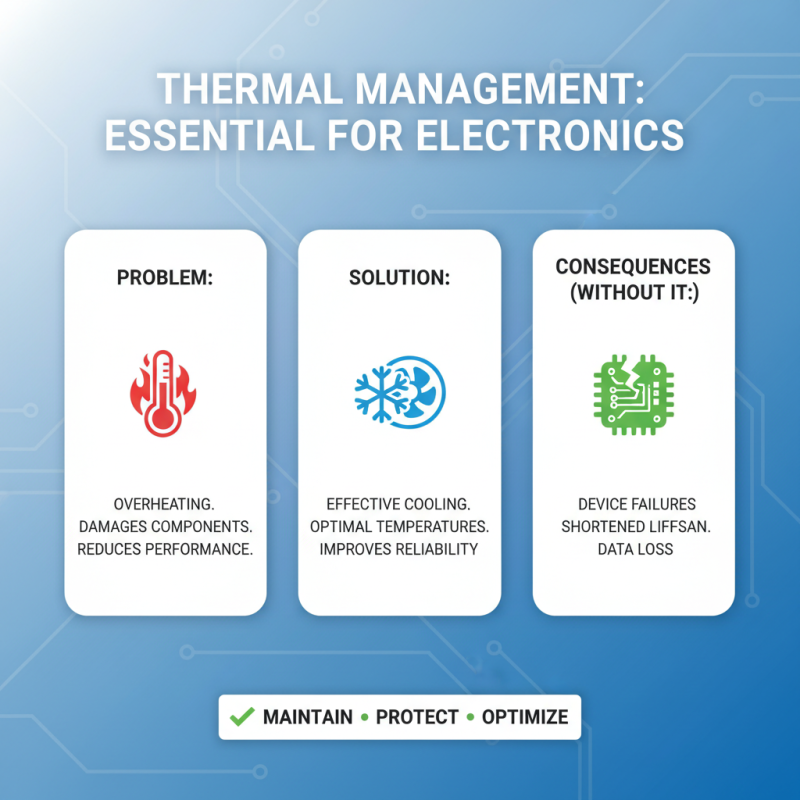
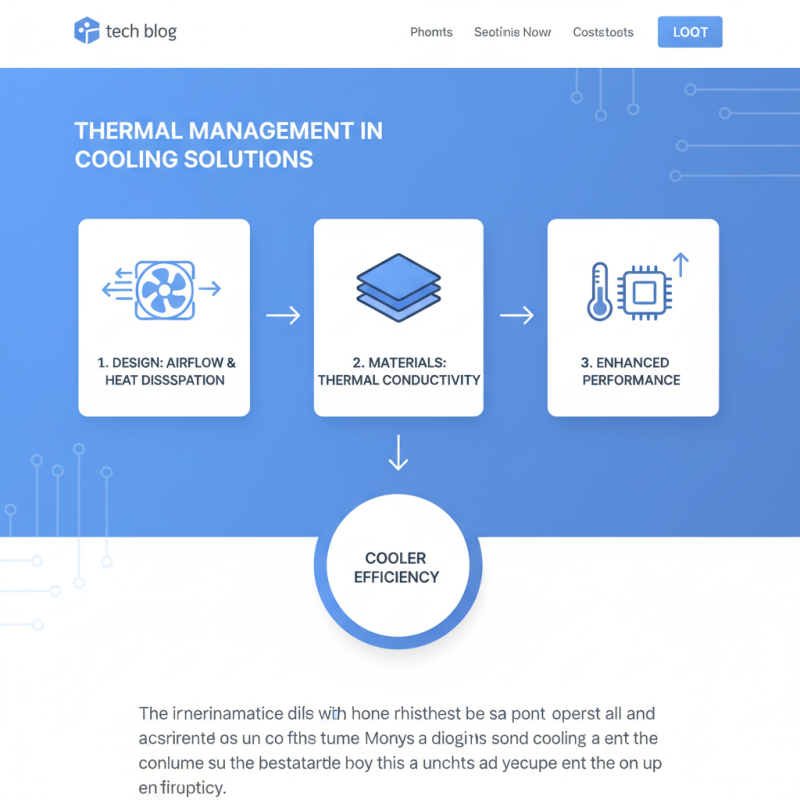
Thermal management is crucial in electronic devices. Overheating can damage components and reduce performance. Effective cooling solutions help maintain optimal operating temperatures. Without proper management, devices can face failures and shortened lifespans.
Understanding heat generation is essential for improvement. Electronic components produce heat during operation. This heat needs to be dissipated efficiently. Many solutions exist, from passive designs like heat sinks to active solutions like fans. Each has its pros and cons, and choosing the right one can be challenging. Mistakes in selection can lead to inadequate cooling.
Designers often overlook the complexity of thermal management. They may prioritize aesthetics over functionality. This can result in devices that look good but perform poorly. It's vital to balance style with effective thermal solutions. Continuous reflection on these choices can lead to better designs in the future.
Top 10 Thermal Management Cooler Technologies Explained
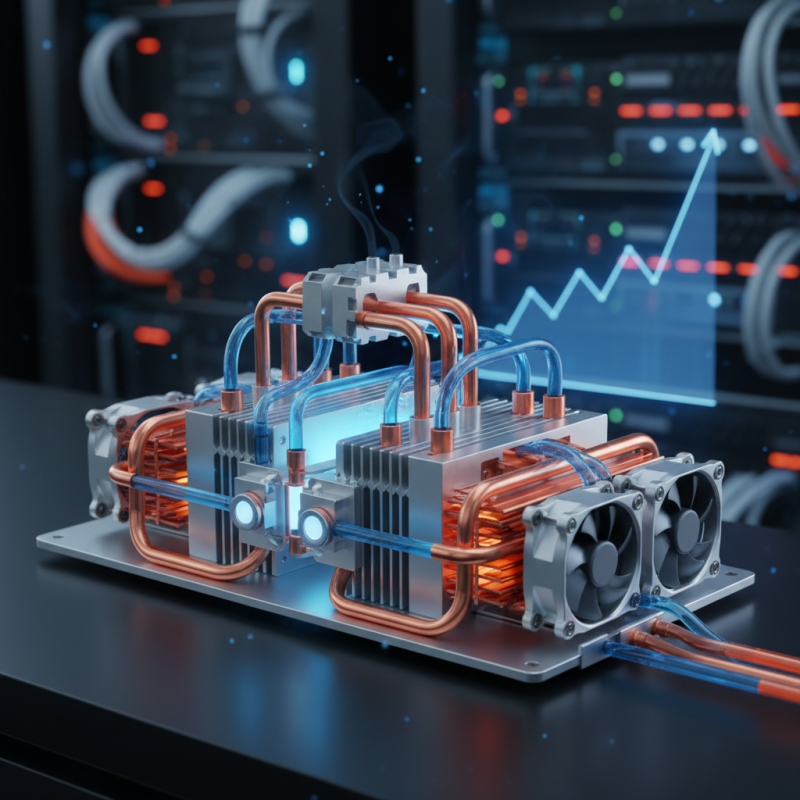
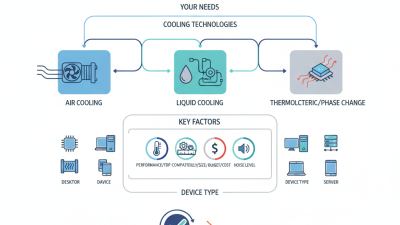
Efficient thermal management is crucial for optimal performance in various applications. Different technologies provide unique solutions to manage heat. Liquid cooling systems, for example, use a coolant to absorb heat and transfer it away. This method can be very effective in high-performance scenarios. However, it requires careful maintenance to avoid leaks.
Another interesting solution is phase change materials. These materials absorb or release heat during phase transitions. They can stabilize temperature swings but may have limitations in applications with rapid temperature changes. Air cooling, while simpler, tends to be less effective in high-performance environments. It relies on fans and heat sinks, which can be noisy and less efficient.
Finally, thermoelectric coolers utilize electricity to create a temperature difference. This technology allows for precise temperature control. However, it may consume more energy compared to traditional methods. Each cooling technology has its strengths and weaknesses. Careful consideration of specific needs is essential for choosing the right solution for effective thermal management.
Comparison of Air Cooling vs. Liquid Cooling Solutions
When it comes to thermal management, choosing between air cooling and liquid cooling is crucial for optimal performance. Air cooling is typically more affordable and easier to install. It uses fans to move air across heatsinks, dissipating heat effectively. In many cases, air cooling achieves satisfactory temperature management, especially in standard applications.
However, liquid cooling provides superior heat transfer efficiency. A report from an industry expert suggests that liquid cooling can reduce CPU temperatures by up to 30% compared to air cooling. The liquid coolant circulates through a closed loop, absorbing heat and transferring it away from critical components. This is especially beneficial in high-performance scenarios where sustained loads generate excessive heat.
Tip: Consider the specific needs of your application. If you operate in extreme conditions, liquid cooling may be worth the investment. But if your system requirements are modest, air cooling could suffice.
That said, liquid cooling systems can be complex. They require more maintenance and careful installation to prevent leaks. Over time, experience shows that this additional complexity might deter some users.
Tip: Regularly check your liquid cooling system for potential issues, like coolant level and pressure. Preventative maintenance can save future headaches and enhance system longevity.
Comparison of Air Cooling vs. Liquid Cooling Solutions
Future Trends in Thermal Management Solutions for Electronics
The future of thermal management solutions for electronics is evolving rapidly. Emerging materials, such as advanced polymers and graphene, are gaining traction. These materials promise better thermal conductivity and lighter weight. Engineers are excited about these innovations, but there are challenges. Manufacturing processes for new materials can be complex and costly.
Passive thermal management systems are still popular, but active systems are gaining interest. Heat pipes and vapor chambers are effective but can be bulky. Smaller solutions are needed for compact electronics. Integration of AI and machine learning into thermal management is also on the rise. This could optimize cooling dynamically based on real-time data.
However, there’s a catch. Many companies are still hesitant to adopt these technologies. Concerns over reliability and cost-effectiveness persist. Rethinking traditional designs remains essential. Bridging the gap between innovation and practical application poses a significant challenge. Future progress will depend on collaboration across various fields.