Top Heat Exchanger Types to Consider in 2026?
In the evolving landscape of energy efficiency and sustainability, heat exchangers play a crucial role. As industries aim to reduce their carbon footprint, the demand for innovative heat exchanger designs is rising. By 2026, several types will be pivotal in meeting these new standards.
Current trends highlight various heat exchanger types that address specific operational needs. For instance, shell-and-tube heat exchangers remain a staple for their reliability. However, newer designs like plate heat exchangers offer compact options. Many engineers debate the effectiveness of traditional versus modern designs.
As we look ahead, it's essential to reflect on the advancements in heat exchanger technology. The challenge remains in balancing efficiency with cost. Many options exist, but not every choice is ideal for every application. Keeping an open mind will lead to better solutions in the future.
Overview of Heat Exchangers and Their Importance in 2026
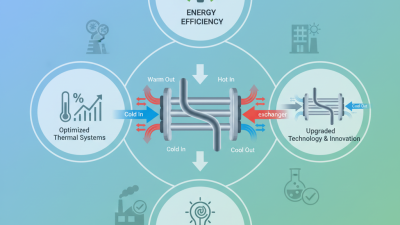
Heat exchangers play a crucial role in various industries, from energy production to food processing. By facilitating the transfer of heat between fluids, they enhance efficiency while minimizing energy loss. In 2026, the importance of these devices will only grow, driven by rising energy demands and sustainability goals. Innovative designs will emerge, focusing on maximizing heat transfer while reducing environmental impact.
As industries evolve, so will the challenges in heat exchange technology. Traditional designs might not meet the increasing efficiency demands. Engineers will need to rethink cooling and heating methods.
Advanced materials could offer better thermal conductivity, but they may also raise costs. Exploring alternative designs, like plate or spiral heat exchangers, can lead to breakthroughs. However, these require careful consideration of installation and maintenance.
The quest for improved heat exchangers is ongoing. While advancements can increase efficiency, they can complicate systems. Balancing performance and cost is a continuous challenge. Real-world applications often reveal limitations that theoretical designs overlook.
Additionally, the integration of smart technology could enhance monitoring but bring complexity. Addressing these issues will be key to harnessing the full potential of heat exchangers in 2026.
Key Types of Heat Exchangers to Consider for Various Industries
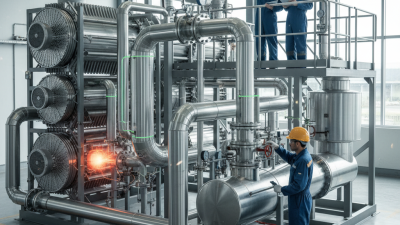
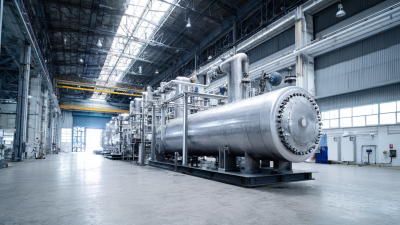
In 2026, various industries will rely on efficient heat exchangers. These critical devices facilitate heat transfer between fluids. One common type is the shell-and-tube heat exchanger. It consists of a series of tubes, with one fluid flowing through the tubes and another around them. Their compact design makes them ideal for high-pressure applications. However, maintenance can be challenging, as tube fouling may occur, affecting efficiency.
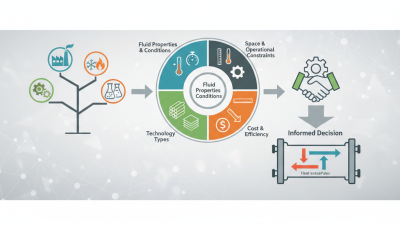
Another option is the plate heat exchanger. Made up of thin plates, this design promotes a large surface area for heat transfer. Industries like food processing and pharmaceuticals often use them for their ease of cleaning. While plate heat exchangers are efficient, they may not handle high-temperature applications well. Selecting the right type requires careful consideration of industry needs and specific requirements.
Air-cooled heat exchangers are also worth exploring. They utilize ambient air to cool fluids, eliminating the need for cooling water. This can reduce operational costs in dry climates. Yet, their performance may suffer in high humidity. Each heat exchanger type has its strengths and weaknesses. Industries should reflect on these factors when making a choice.
Advancements in Materials and Technologies for Heat Exchanger Efficiency
In 2026, heat exchangers are likely to see significant advancements in materials and technology. These innovations aim to improve efficiency and reduce energy consumption. New materials, such as advanced alloys and composites, will enhance thermal conductivity. This can lead to lighter and more efficient designs. Additionally, nanotechnology may play a role in creating surfaces that resist fouling and scaling.
Emerging technologies are also reshaping heat exchanger designs. For instance, 3D printing allows for intricate geometries that traditional manufacturing cannot achieve. This can optimize flow paths, improving heat transfer rates. However, challenges exist in balancing cost and performance. While these advancements offer great potential, the industry must address scalability and durability. Innovation should not overlook practicality.
Research continues to explore eco-friendly refrigerants alongside these advancements. The impact of choices in materials and design extends beyond efficiency. Choices must consider sustainability and the environment. A holistic approach is crucial. Balancing innovation and practical application remains a key challenge for the industry.
Sustainability and Environmental Considerations in Heat Exchanger Design
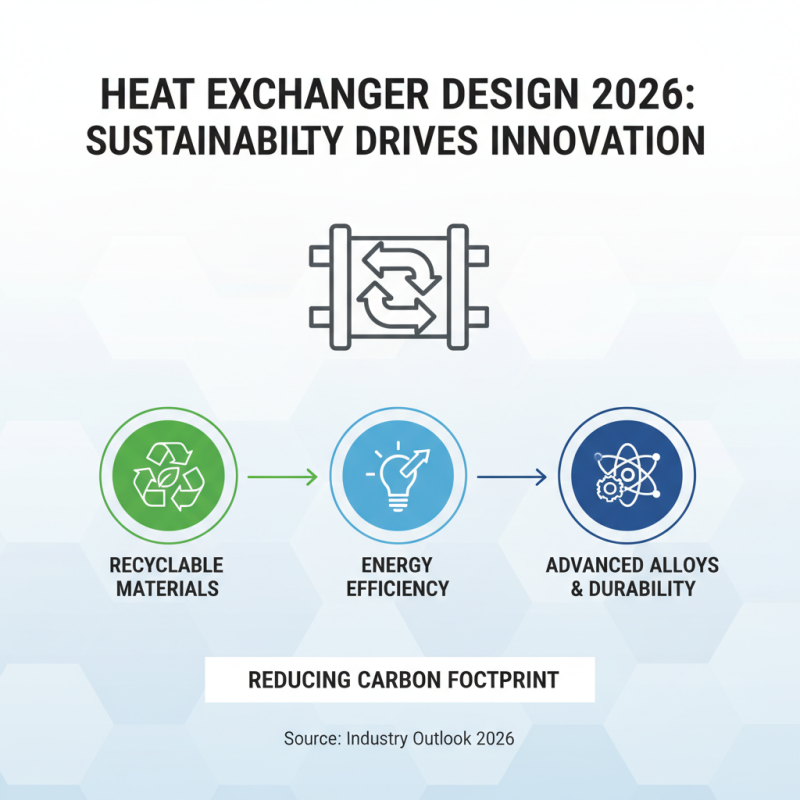
Sustainability will play a crucial role in heat exchanger design by 2026. As industries seek to reduce their carbon footprints, the demand for efficient heat transfer systems will grow. Engineers will focus on materials that are recyclable and energy-efficient. The use of advanced alloys could become common, ensuring durability while minimizing waste.
The challenge lies in balancing performance and environmental impact. Not all materials meet sustainability benchmarks. Some sustainable options might not perform as well, leading to potential trade-offs. Also, incorporating renewable energy sources into heat exchangers is still a nascent concept but essential for future design.
Innovative designs will likely emerge, fostering energy recovery and utilizing waste heat more effectively. However, the process of adapting to these new technologies may be slow. Industries must consider not just efficiency but also the life cycle of materials used. Reflecting on past practices will be vital in shaping a sustainable future for heat exchangers.
Future Trends and Innovations in Heat Exchanger Systems by 2026
As we look toward 2026, heat exchanger systems are set to evolve significantly. Innovations will focus on
improved energy efficiency and sustainability. One emerging trend is the use of advanced materials.
These materials can withstand higher temperatures and pressures. They promise longer lifespans and reduce replacement frequency. New alloys and composites are gaining traction in design.
Another key area of development is smart technology integration. Sensors could monitor performance in real-time. This would allow for
predictive maintenance, reducing downtime. The data collected could help optimize energy use, resulting in cost savings. However, data security concerns
must be addressed as these systems become interconnected.
Despite these advancements, challenges remain. The industry must balance innovation with cost-effectiveness. Not every facility can afford
cutting-edge technology. Additionally, transitioning to new systems can be complex. Workforce training and adaptation are essential to fully realize these innovations.
It is clear that the future holds promise, but careful planning is necessary.