Top Heat Exchanger Solutions for Global Buyers in 2026?
In the ever-evolving landscape of industrial applications, heat exchangers play a critical role in enhancing efficiency. With the rise of global demand in 2026, buyers seek innovative heat exchanger solutions that meet diverse needs. These systems are designed to transfer heat between two or more fluids, ensuring energy savings and operational efficiency.
The market is filled with various options, yet not all heat exchangers are created equal. Potential buyers must focus on quality, reliability, and performance metrics. Many manufacturers offer standardized solutions, but customization often leads to more effective results. Understanding the specific requirements of each application is essential.
However, it’s crucial to note that navigating this vast market can be overwhelming. Buyers could benefit from expert guidance to make informed decisions. Evaluating the available technologies and staying updated on trends will determine future success in selecting the right heat exchanger solutions.
Emerging Trends in Heat Exchanger Technologies for 2026
As we look toward 2026, emerging trends in heat exchanger technologies will greatly impact global buyers. According to a recent market report, the heat exchanger market is expected to reach $25 billion by 2026, driven by advancements in efficiency and sustainability. Buyers need to consider innovations such as compact designs and improved materials that enhance thermal conductivity.
One notable trend is the integration of IoT technology into heat exchanger systems. This allows for real-time monitoring and predictive maintenance. A study reveals that these smart systems can reduce energy consumption by up to 30%. However, the transition to smarter technologies can pose challenges. Not all manufacturers have the resources or expertise to implement these solutions effectively.
Sustainability is another key focus. More buyers are demanding eco-friendly options. However, the cost of sustainable materials can be higher. Recent estimates indicate that while initial costs may rise, long-term savings and compliance with regulations often outweigh these expenses. Buyers must weigh these factors carefully, as the industry evolves rapidly.
Top Heat Exchanger Solutions for Global Buyers in 2026
| Type |
Material |
Efficiency (%) |
Applications |
Emerging Trends |
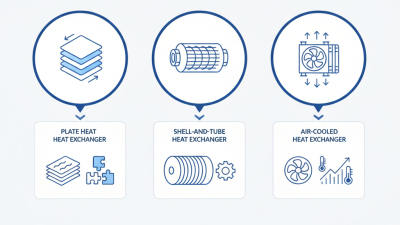
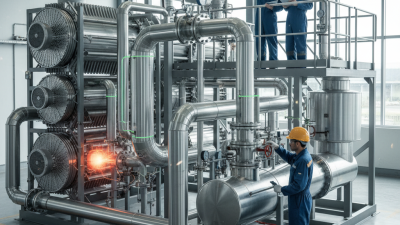
| Shell and Tube |
Stainless Steel |
90 |
Oil & Gas, Petrochemical |
High-efficiency designs |
| Plate |
Aluminum |
85 |
HVAC, Food Processing |
Compact designs for space-saving |
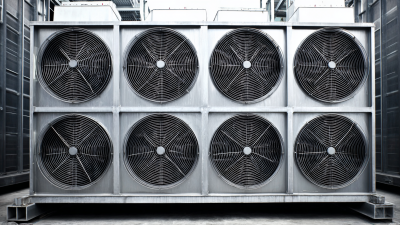
| Air-Cooled |
Copper |
80 |
Power Plants, Industrial |
Enhanced durability and corrosion resistance |
| Spiral |
Carbon Steel |
88 |
Waste Heat Recovery, Chemical Processing |
Innovative flow design for efficiency |
| Double Pipe |
PVC |
75 |
Water Treatment, Marine |
Low-cost and easy maintenance |
Key Markets and Applications Driving Demand for Heat Exchangers
Heat exchangers are vital in various industries, including energy, HVAC, and automotive sectors. The increasing demand for efficient thermal management solutions drives innovation in this field. In 2026, the primary markets for heat exchangers will likely be renewable energy and industrial manufacturing. These sectors require advanced thermal solutions to improve efficiency and reduce environmental impact.
Renewable energy applications, such as solar and geothermal systems, will see significant growth. These sectors require reliable heat transfer systems to harness and distribute energy effectively. Additionally, the automotive industry is shifting towards electric vehicles, necessitating enhanced heat management to optimize battery performance and prolong lifespan.
Despite advancements, challenges remain. Some manufacturers still struggle with designing cost-effective and efficient systems. Reliability issues in harsh operational environments create obstacles. Consequently, companies must invest in research and development to address these shortcomings. This will ensure heat exchangers meet the evolving needs of global markets.
Top Heat Exchanger Solutions for Global Buyers in 2026
Innovative Materials and Designs in Heat Exchanger Solutions
The heat exchanger market is evolving rapidly. Innovations in materials play a crucial role in enhancing efficiency. New alloys and composite materials are now being utilized. These materials withstand extreme temperatures and pressures better than traditional ones. This advancement reduces maintenance costs significantly.
Designs are also becoming more sophisticated. Integrating compact geometries allows for higher heat transfer rates. Enhanced surface areas promote better thermal management. Manufacturers are exploring 3D printing to create customized shapes that optimize performance. These designs are not only effective but also reduce energy consumption.
However, the industry faces challenges. The adoption of new materials requires thorough testing. Ensuring durability and compatibility with existing systems is vital. Innovations can provide great benefits, but there is a learning curve. Adjustments may be necessary as new solutions are implemented. Continuous research and development are essential for overcoming these obstacles.
Regulatory and Environmental Considerations in Heat Exchanger Sourcing
When sourcing heat exchangers in 2026, global buyers must be aware of regulatory and environmental challenges. Many regions are tightening regulations on energy efficiency and emissions. Adapting to these requirements helps ensure compliance and avoids penalties. Sourcing from manufacturers who prioritize sustainable practices is crucial.
It is wise to investigate the materials used in heat exchangers. Using eco-friendly materials can improve your organization’s sustainability profile. Buyers should also confirm if the chosen suppliers comply with international standards. Certifications can serve as proof of commitment to environmental protection.
Tips: Stay updated on local regulations. This ensures that you are always compliant. Regularly review supplier certifications. Consider their track record in sustainability. This proactive approach can prevent future issues. Evaluate how the sourcing choices impact the environment too. Reflecting on these aspects can lead to better decisions.
Cost-Effective Strategies for Global Buyers of Heat Exchangers in 2026
In the evolving landscape of heat exchangers, global buyers face unique challenges in 2026. Rising material costs and stringent regulatory standards shift purchasing strategies. According to market research, the global heat exchanger market is expected to reach $20 billion by 2026, pushing buyers to explore cost-effective solutions.
Innovative manufacturing techniques are crucial. Additive manufacturing shows promise in reducing lead times and inventory costs. A recent report highlighted that 40% of companies are adopting digital twins for predictive maintenance. This approach minimizes downtime and enhances efficiency, key considerations for buyers aiming to stay within budget. Buyers must assess whether the initial investment aligns with long-term savings.
Choosing the right suppliers becomes vital. Many suppliers offer different pricing structures. A thorough analysis of total cost ownership often reveals that upfront savings may lead to higher maintenance costs later. In this fast-changing market, it is essential for buyers to balance immediate needs with future performance. The road ahead requires careful planning and informed choices, reflecting the complexities of the global market.