Leave Your Message

Top 10 Radiator Optimization Tips for Global Importers

In today's competitive global market, radiator optimization is crucial for importers aiming to enhance efficiency and reduce costs. According to a recent report by the International Energy Agency, buildings account for 30% of global energy consumption, and heating systems play a significant role. Efficient radiators can reduce energy waste by 20% or more.

As industries face increasing pressure to adopt sustainable practices, optimizing radiators is not just a cost-saving measure; it’s a necessity. Studies indicate that organizations that implement effective radiator optimization strategies can see a return on investment of up to 25%. However, many importers overlook essential maintenance and updating technologies, which can hinder performance.

Radiator optimization involves more than merely replacing old units. It requires a thorough understanding of heat transfer, system compatibility, and energy consumption patterns. Some importers might underestimate the complexity of these systems. This lack of insight can lead to missed opportunities for improving operational efficiency. By embracing best practices in radiator optimization, businesses can achieve significant gains while contributing to a more sustainable future.
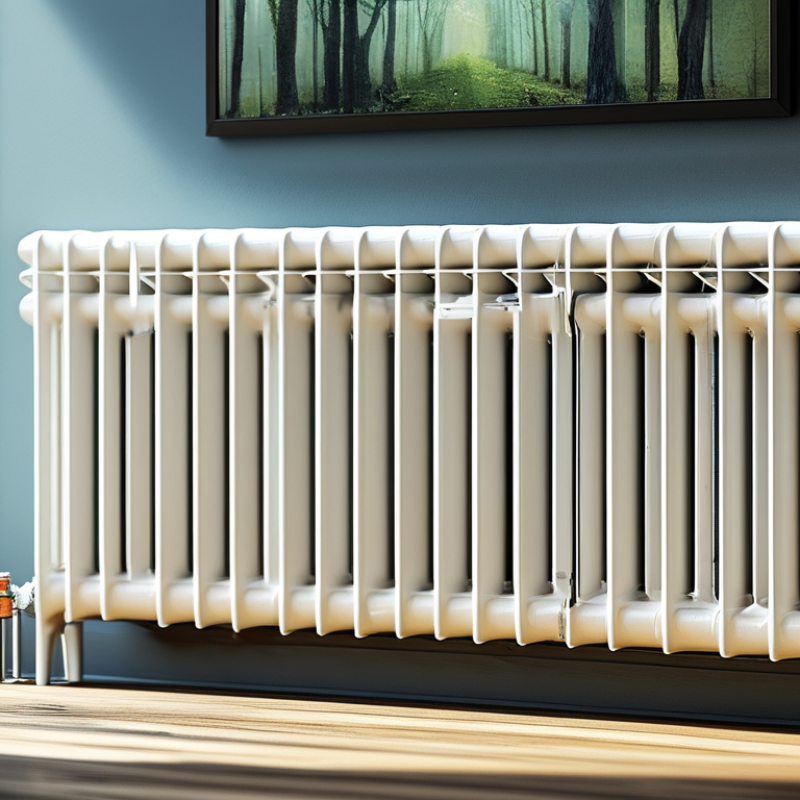
Top 10 Radiator Optimization Tips for Global Importers

Understanding the Importance of Radiator Optimization for Importers

Radiator optimization plays a crucial role in improving the efficiency of global importers. The importance of this can be seen in numerous industry reports, which highlight that effective radiator systems can enhance thermal performance by up to 30%. This optimization reduces energy consumption and operational costs, which is vital in a highly competitive market.

Moreover, while many importers are aware of radiator performance, not all understand the potential for improvement. Poorly optimized radiators can lead to inefficient heat transfer, causing excess energy use. A study by the International Energy Agency indicates that optimized systems can save up to 20% in energy use annually. Recognizing this gap is crucial for importers looking to maximize their operational efficiency.

In addition, regular maintenance is often neglected. Many factors like corrosion or dust buildup can significantly affect radiator performance. A report from the U.S. Department of Energy suggests that routine checks and maintenance can restore lost efficiency. Investing time and resources into these practices can yield substantial long-term benefits for importers. Making this shift may require deeper reflection by businesses on their current processes and priorities.


Key Factors Affecting Radiator Efficiency in Global Supply Chains

Efficiency in radiator design greatly influences the performance of global supply chains. According to research by the International Journal of Thermal Sciences, optimal radiator design can improve thermal performance by up to 25%. This statistic highlights the significant potential to enhance energy efficiency. Radiators can experience heat transfer inefficiencies due to poor material choices or outdated designs. Such factors can severely impact how quickly and effectively temperature regulation is achieved during transport.

Various environmental factors also play a crucial role. For instance, temperature variations during shipping can lead to inefficient heating or cooling, costing importers time and resources. A study from the Journal of Heat Transfer showed that a mere 10% improvement in radiator efficiency can result in substantial savings in operational costs over time. Importers must consider not only the design but also the environmental conditions their products will encounter. Often overlooked, inadequate maintenance can further diminish performance, leading to unexpected burdens on supply chain efficiency.

Investing in high-quality radiators and ongoing maintenance is essential. Many importers underestimate the impact of regular checks and updates to their systems. For example, almost 30% of radiator systems in use today are not operating at their intended efficiency. This data signals the need for continuous improvement and awareness regarding radiator technology. Making informed choices can lead to more resilient and efficient supply chains.

Top Strategies for Selecting the Right Radiator for Your Needs

Selecting the right radiator involves a careful analysis of several key factors. First, consider the heat output. The British Thermal Unit (BTU) rating is essential. A radiator with an accurate BTU calculation ensures efficient heating. An over- or under-sized radiator can lead to energy waste. According to industry reports, improperly sized radiators can increase energy bills by up to 30%.

Next, evaluate your space's insulation. Effective insulation can significantly impact radiator performance. Lack of insulation can cause heat loss, reducing efficiency and comfort. Research indicates that homes with poor insulation require up to 50% more energy for heating. This makes it critical to assess insulation before radiator selection.

Lastly, materials matter. Aluminum radiators offer quick heat response but may not retain heat as long as steel. On the other hand, while cast iron retains heat well, they can be slower to respond. Balancing these material properties with your heating needs is crucial. It’s not just about initial cost but long-term efficiency and comfort. Choosing the right radiator is a blend of art and analysis, requiring thoughtful consideration of all these aspects.

Top 10 Radiator Optimization Tips for Global Importers

Tip Number Optimization Tip Key Considerations Expected Benefits
1 Perform Load Calculations Consider room size, insulation, and heat loss Improved heating efficiency
2 Choose the Right Material Review aluminum, steel, and cast iron options Longer lifespan and better heat conduction
3 Consider Size and Shape Assess available space and aesthetic preferences Enhanced integration into design
4 Evaluate Energy Efficiency Ratings Check for energy certifications like ENERGY STAR Reduced energy costs
5 Look for Multi-Functional Models Explore models with built-in features Versatile usage and space-saving
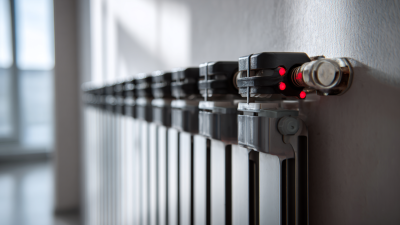
6 Incorporate Smart Technology Check compatibility with smart home systems Enhanced control and automation
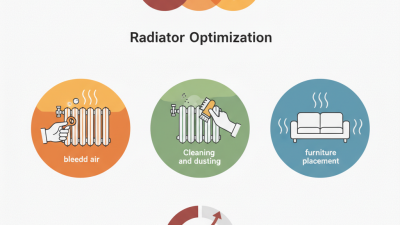
7 Regular Maintenance Practices Set up periodic checks and bleeding Consistent performance and efficiency
8 Assess Installation Costs Get quotes and consider DIY options Budget-friendly approach
9 Understand Warranty and Support Review warranty terms and customer service options Peace of mind and reliable support
10 Research Customer Reviews and Feedback Look for user experiences and ratings Informed decision-making

Best Practices for Maintaining and Upgrading Your Radiator Systems

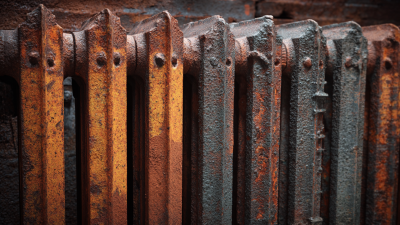
Radiator systems are crucial for temperature regulation, especially for global importers. Regular maintenance can prevent failures and prolong lifespan. Inspect your radiator regularly for leaks. A small leak can worsen over time. Look for rust or corrosion. These issues indicate that your system needs attention. Clean the radiator fins to ensure optimal airflow. Debris buildup can significantly reduce efficiency.

Consider upgrading your radiator design. Newer models often improve performance. However, it's vital to assess compatibility with existing systems. Implementing advanced technologies can enhance efficiency. Automated temperature controls are beneficial. They respond to environmental changes without manual adjustments. Yet, technology can sometimes be daunting. Proper training for staff is essential to maximize these systems.

Document your maintenance activities. Keeping a record can reveal patterns over time. This could help identify recurring issues. Communication between teams is important. Engineers and maintenance staff must collaborate closely. Sometimes, even the most reliable systems can fail unexpectedly. Be prepared for quick responses to minimize disruption.

Leveraging Technology for Enhanced Radiator Performance and Monitoring

In today's rapidly evolving market, leveraging technology is crucial for improving radiator performance. Real-time monitoring systems provide valuable insights. These systems can track temperature variations, pressure levels, and flow rates. Importers can then make informed adjustments to optimize operations. By analyzing this data, companies identify inefficiencies and reduce energy consumption.

Smart sensors play a significant role in this optimization process. They offer continuous feedback, ensuring radiators operate within ideal parameters. Yet, implementing such technologies requires careful planning. It is essential to integrate these systems seamlessly into current operations. Training staff to interpret data correctly is also necessary. Technology brings solutions, but human oversight is still vital.

Transparency in performance metrics cannot be overlooked. Sharing this information with stakeholders builds trust and demonstrates accountability. However, not all technologies guarantee immediate results. Often, trial and error may lead to the best solutions. Each approach should be evaluated critically. Regular audits and assessments can reveal areas needing improvement, ensuring ongoing effectiveness.