What is a Radiator Brazed Plate and How Does it Work?
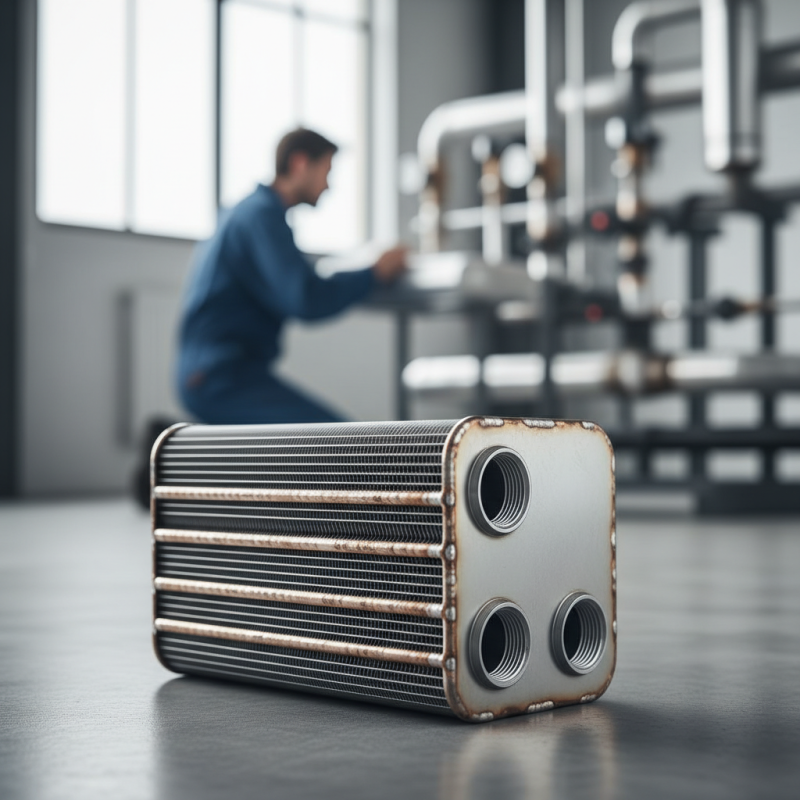
A Radiator Brazed Plate is a crucial component in modern heating and cooling systems. It plays a significant role in heat exchange processes. Understanding how this technology works can greatly enhance system efficiency.
These plates are known for their compact design and durability. They consist of many thin plates stacked together and joined by brazing. This process ensures excellent thermal conductivity while minimizing space usage, making them ideal for various applications.
Despite their efficiency, some challenges exist. Improper installation can lead to reduced performance. Additionally, environmental factors may affect the longevity of the Radiator Brazed Plate. Continuous monitoring and maintenance are essential. By addressing these concerns, users can optimize their systems for better results.
What is a Radiator Brazed Plate?
A radiator brazed plate is a compact heat exchanger widely used in various thermal management systems. It consists of multiple thin metal plates, tightly stacked and brazed together. This design enhances surface area for heat transfer, making it more efficient compared to traditional heat exchangers. According to a recent industry report by Grand View Research, the market for heat exchangers is projected to grow at a CAGR of 6.6% from 2021 to 2028. This growth highlights the increasing demand for efficient thermal management solutions across industries.
Brazed plate technology is recognized for its durability and compactness. The brazing process creates a strong bond between the plates, which can withstand high pressures and temperatures. This ruggedness is essential in applications like refrigeration and power generation. However, one must consider the potential for welding defects in the brazing process, which can affect performance. Maintaining quality control during production is vital to ensure reliability.
Tips: Always check the specifications and material compatibility when selecting a radiator brazed plate for your application. This prevents inefficiencies caused by improper heat transfer. Additionally, regular maintenance can prolong the lifespan of these components, thus enhancing overall system performance.
The Structure and Materials of Brazed Plates
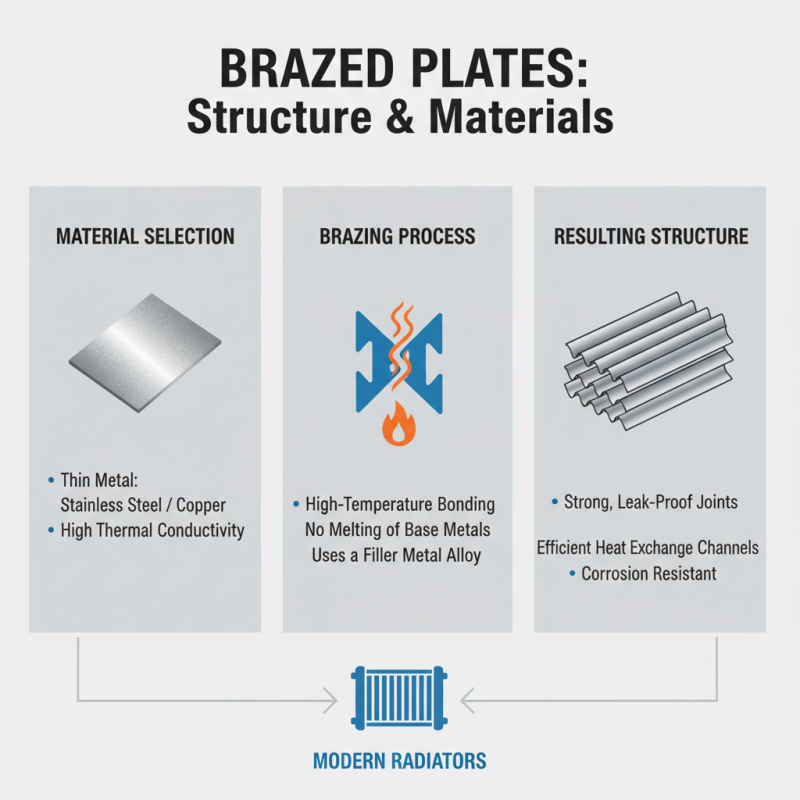
Brazed plates are critical components in the construction of modern radiators. These plates are typically made of thin metal, often stainless steel or copper, joined through a braze process. This method involves bonding materials at high temperatures, without melting the base metals. The result is a strong, leak-proof structure, ideal for heat exchange applications.
The design of brazed plates includes channels for fluid movement. This allows efficient heat transfer between the working fluid and the surrounding air. The compact nature of these plates means they can fit into a variety of systems, like HVAC units. However, one should be aware that improper installation can lead to thermal fatigue.
**Tip:** Always check for compatibility between the fluid and material. Using an incompatible fluid can degrade the plate over time.
While brazed plates are efficient, they are not infallible. Over time, erosion from the fluid can cause wear. Regular inspections should be part of a maintenance schedule. It's essential to monitor for any signs of leakage or corrosion.
**Tip:** Invest in quality monitoring equipment to catch issues early. Early detection can save significant repair costs later.
How Brazing Techniques Enhance Performance
Brazing techniques play a crucial role in enhancing the performance of radiator brazed plates. These components utilize a process that joins metals at high temperatures without melting the base materials. This method creates a strong bond, significantly improving the heat exchange efficiency of the plates. According to a recent industry report, 70% of high-performance radiators rely on brazed designs due to their superior thermal conductivity.
One significant advantage of brazed plates is their compact design. This feature allows for increased surface area, leading to greater heat transfer. Research indicates that brazed plate heat exchangers can achieve up to 90% thermal efficiency. This level of performance is critical in applications ranging from automotive engines to industrial cooling systems. However, the complexity of the brazing process requires meticulous quality control to ensure consistent results.
Despite their advantages, brazed plates are not without challenges. The brazing process can introduce potential weaknesses if not executed correctly. Flaws such as insufficient heating or improper filler materials can compromise the integrity of the bonds. Periodic assessments and improvements in brazing techniques are essential for maintaining longevity and performance. This ongoing learning helps address issues, ensuring these systems remain reliable and effective.
What is a Radiator Brazed Plate and How Does it Work? - How Brazing Techniques Enhance Performance
| Dimension |
Value |
| Material Type |
Copper |
| Thickness |
0.5 mm |
| Surface Area |
200 cm² |
| Operating Temperature |
-30°C to 120°C |
| Brazing Temperature |
600°C - 800°C |
| Efficiency Improvement |
Up to 15% |
| Application Areas |
Automotive, HVAC Systems, Refrigeration |
Working Principle of a Radiator Brazed Plate
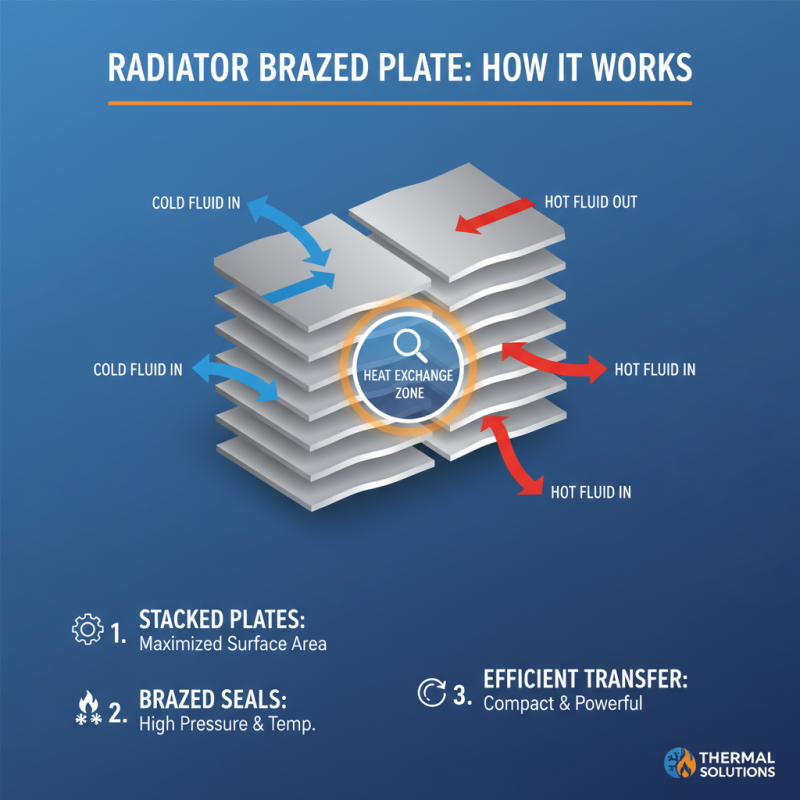
A radiator brazed plate is a crucial component in many heating and cooling systems. It primarily facilitates heat exchange between two fluids. This process relies heavily on its unique design, which consists of a series of plates that are tightly pressed together and sealed using a brazing process. The plates allow for efficient heat transfer, often resulting in higher performance compared to traditional heat exchangers.
The working principle of a radiator brazed plate is embedded in its construction. Each plate is designed to create multiple channels for fluid movement. According to industry reports, these plates can achieve heat transfer efficiency rates above 80%. However, the efficiency depends on factors such as fluid flow rates and the temperature differential. In practice, achieving optimal performance requires precise tuning and monitoring, which can sometimes be challenging in dynamic systems.
Yet, there are limitations. The thickness of the plates and the design of the channels are critical. If not properly engineered, turbulence can occur. This can cause reduced efficiency. Studies have shown that even small deviations in fluid velocity can impact performance. Regular assessments are necessary to maintain effectiveness and reliability in real-world applications. Understanding these nuances is vital for engineers and technicians working with these systems.
Applications and Benefits of Brazed Plates in Heating Systems
Brazed plates are essential components in heating systems, offering unique benefits. They consist of thin plates that are joined together using a brazing process. This creates a robust structure ideal for efficient heat transfer. One key application is in boilers, where they help efficiently circulate hot water. Their compact design saves space, making them perfect for modern heating setups.
The advantages of brazed plates extend beyond size. They have excellent thermal conductivity, which means they can heat a space quickly. Their durability ensures a long lifespan, often requiring less maintenance. Additionally, these plates are resistant to corrosion, making them a reliable choice for various heating applications.
However, choosing brazed plates requires careful consideration. Not all systems may benefit equally from their use. While they are efficient, improper installation may lead to inefficiencies. Reflecting on this, it’s vital to evaluate the specific heating needs of a space. Not all heating systems are designed the same, and understanding this can lead to better long-term results.
Applications and Benefits of Brazed Plates in Heating Systems