What is an Industrial Heat Exchanger and How Does It Work?
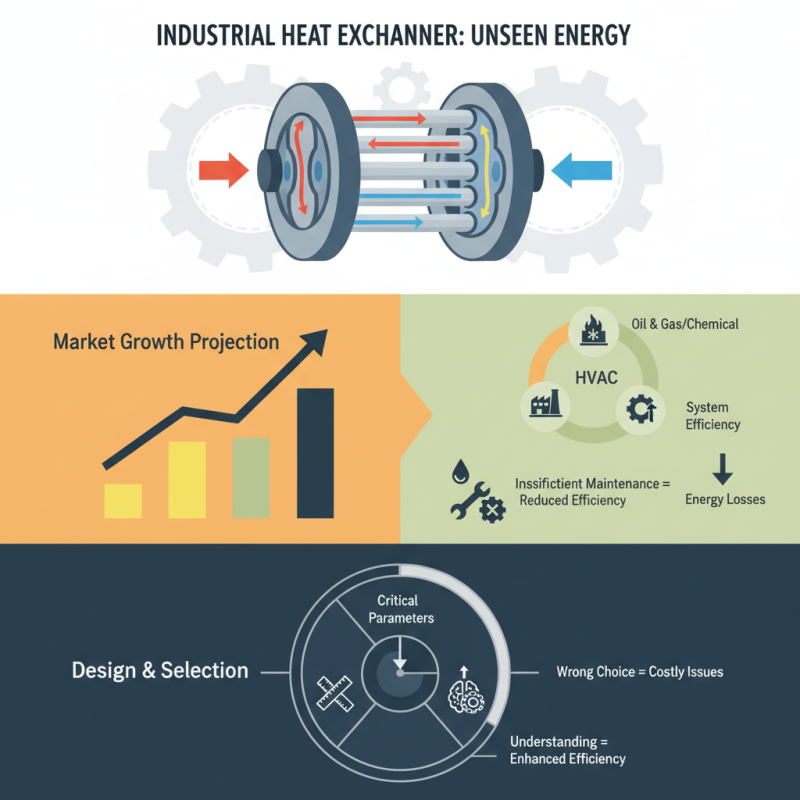
Industrial heat exchangers play a crucial role in various industries. They transfer heat between two or more fluids. This process is vital for energy efficiency. According to a report by Research and Markets, the global heat exchanger market is projected to reach $25.2 billion by 2025. This growth reflects the increasing demand for sustainable energy solutions.
In industries like oil and gas, chemical processing, and HVAC, industrial heat exchangers are essential. They improve system efficiency and reduce energy consumption. However, many companies still face challenges in optimizing their performance. Insufficient maintenance can lead to fouling and reduced efficiency. A study found that improper operation may result in energy losses of up to 30%.
The design and selection of an industrial heat exchanger are vital to its effectiveness. However, many engineers overlook critical parameters. The wrong choice can lead to costly operational issues. Therefore, understanding how these systems work is key for industries aiming to enhance efficiency.
Definition of an Industrial Heat Exchanger and Its Purpose
An industrial heat exchanger is a critical component in many manufacturing and processing facilities. Its primary purpose is to transfer heat between two or more fluids. This process can be either for heating or cooling applications. According to the International Energy Agency (IEA), about 30% of industrial energy consumption is used for heating processes, highlighting the importance of efficient heat transfer systems.
Heat exchangers play a vital role in enhancing energy efficiency. They reduce energy consumption by recycling waste heat, cutting operational costs. In the chemical industry, heat exchangers can recover up to 90% of waste heat, showcasing their significance. However, not all systems perform optimally. Corrosion and fouling can hinder efficiency, leading to potential losses. Regular maintenance is essential to address these issues.
The design of heat exchangers varies, often tailored to specific industry needs. For instance, shell-and-tube designs are common due to their versatility. Yet, this complexity can lead to maintenance challenges. Many facilities struggle to find the right balance between performance and upkeep. Data indicates that poorly maintained heat exchangers can lead to a 20% drop in efficiency. This highlights the need for ongoing assessment and improvement in system management.
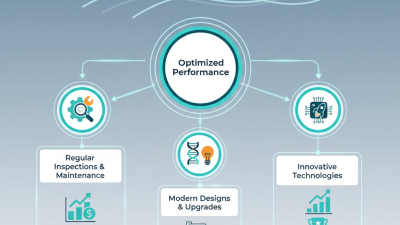
Industrial Heat Exchanger Efficiency Comparison
Types of Industrial Heat Exchangers: Overview and Functionality
Industrial heat exchangers are crucial in various sectors. They facilitate heat transfer between fluids. This process can either cool or heat substances. There are several types of heat exchangers, each with distinct functionalities.
Shell and tube heat exchangers are common. They consist of a series of tubes, one set carries fluid while the other set houses the second fluid. This design promotes efficient heat transfer. Plate heat exchangers use thin plates stacked together, enhancing the surface area for heat exchange. It allows for a compact design, ideal for tight spaces.
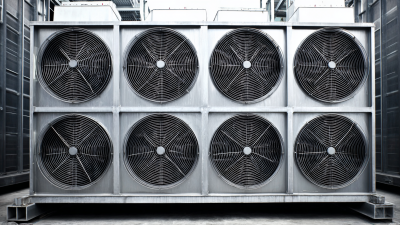
Air-cooled heat exchangers use ambient air to cool fluids. They often face challenges with airflow efficiency. Problems arise when dust accumulates on surfaces. Finally, finned tube heat exchangers incorporate fins to increase the heat transfer surface area. However, maintaining these systems can be complex. Each type has its advantages and drawbacks, requiring careful consideration in design and selection.
Principles of Heat Transfer in Industrial Heat Exchangers
Industrial heat exchangers play a crucial role in various industries. These devices transfer heat between two or more fluids without them mixing. Understanding the principles of heat transfer is vital for their efficiency.
Heat transfer occurs through conduction, convection, and sometimes radiation. In heat exchangers, conduction happens as heat moves through solid walls separating fluids. The effectiveness of this transfer depends on material properties and wall thickness. Convective heat transfer occurs when a fluid moves, carrying heat with it. For instance, hot fluid flowing over cooler surfaces warms up the latter through direct contact.
Designing effective heat exchangers involves careful consideration of these principles. Incorrect design can lead to inefficiencies and increased operational costs. It's easy to overlook the impact of fluid velocity or temperature differences. Engineers must balance these factors to maximize energy transfer while minimizing losses. Each choice, like the surface area or flow arrangement, influences performance. Some may argue there's always room for improvement, and they’re right. Continuous monitoring and adaptation can lead to better results.
Key Components and Materials Used in Heat Exchanger Design
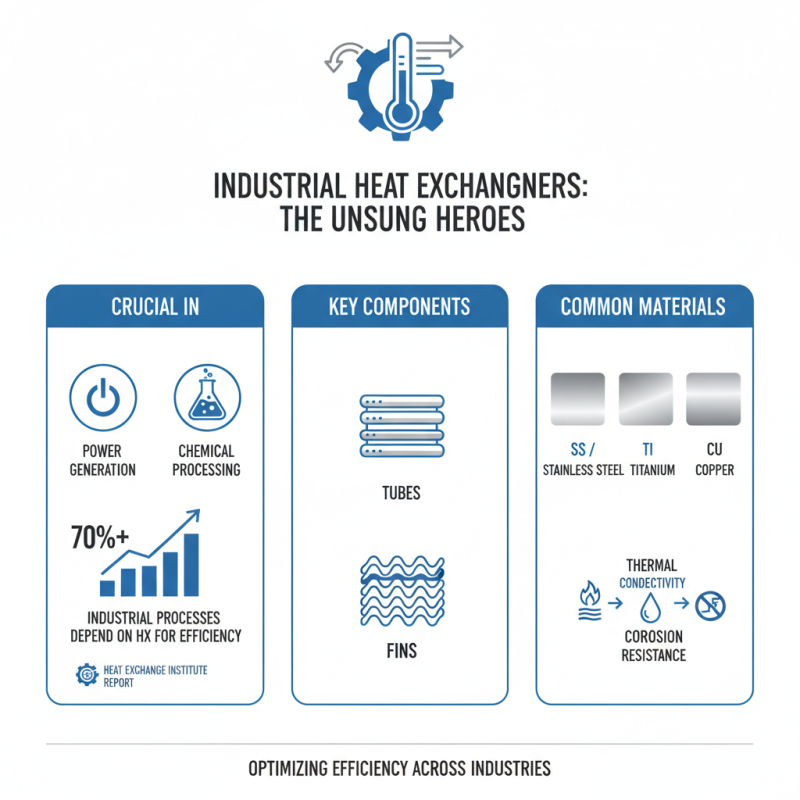
Industrial heat exchangers are crucial in various sectors, including power generation and chemical processing. The design of these devices relies heavily on key components such as tubes, plates, and fins. Common materials include stainless steel, titanium, and copper due to their excellent thermal conductivity and resistance to corrosion. A report by the Heat Exchange Institute indicates that over 70% of all industrial processes depend on heat exchangers for efficiency.
One aspect often overlooked is the maintenance of these units. Regular inspections are essential to prevent fouling, which can reduce efficiency by up to 30%. Inadequate cleaning can lead to higher operational costs and unexpected downtime. Recent studies suggest that purchasing cost-effective materials may initially save money but could lead to failures over time, compelling companies to reflect on their choices.
Another important factor is the thermal design. Engineers must calculate heat transfer coefficients accurately. If done poorly, it may impact the system’s effectiveness. Using advanced simulation software helps, yet some companies stick to outdated methods. Such reluctance can hinder innovation and long-term savings. In an ever-evolving industrial landscape, adapting is not just beneficial; it is necessary.
Applications of Industrial Heat Exchangers in Various Industries
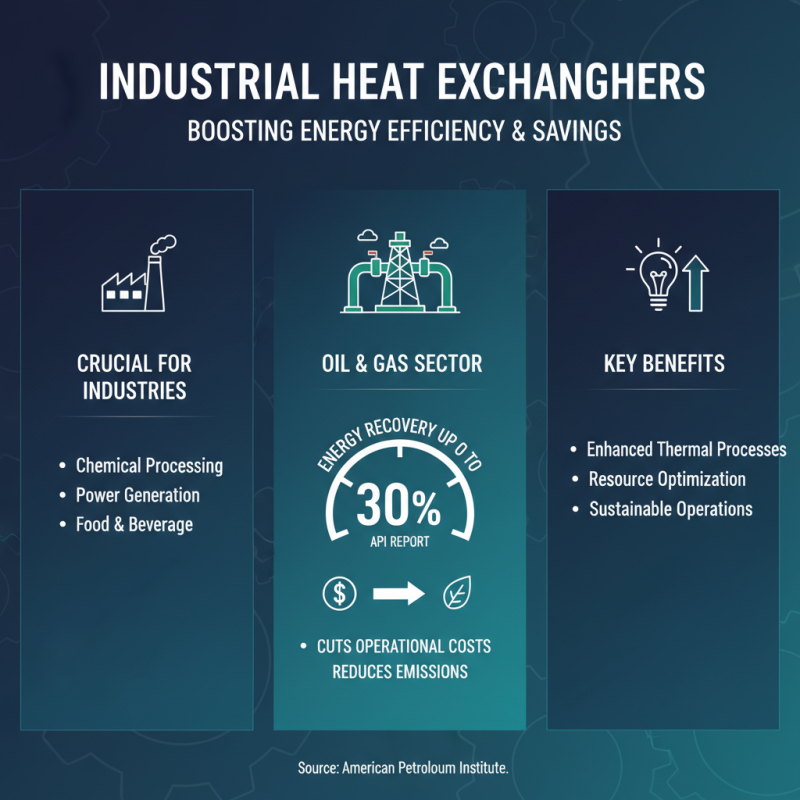
Industrial heat exchangers are crucial across various industries, enhancing energy efficiency. In the oil and gas sector, these devices contribute significantly to thermal processes. A report from the American Petroleum Institute noted that heat exchangers can improve energy recovery by up to 30%. This is essential as companies seek to cut operational costs and reduce emissions.
In the chemical industry, heat exchangers serve a similar purpose. They allow for precise temperature control during chemical reactions. According to a recent study by the Chemical Engineering research journal, optimizing heat exchange can increase reaction efficiency by 15%. However, not all systems perform at peak efficiency. Regular maintenance is often overlooked, leading to decreased performance over time.
The food processing industry relies heavily on heat exchangers for pasteurization and sterilization. The Food and Drug Administration emphasizes the importance of maintaining proper temperatures to ensure food safety. Yet, many facilities may struggle with outdated equipment. Studies indicate that upgrading to modern heat exchanger systems can lead to improved processing times and lower energy costs by as much as 20%. The ongoing challenge is to balance cost with safety and efficiency.