How to Improve Heat Exchanger Efficiency in Industrial Systems?
Heat Exchanger Efficiency plays a critical role in the performance of industrial systems. Studies show that optimizing heat exchangers can yield energy savings of up to 20% in processes. Inefficient heat exchangers often lead to increased operational costs and energy waste. The U.S. Department of Energy estimates that over 30% of industrial energy consumption is linked to heat transfer systems.
Efficiency improvements in heat exchangers can be achieved through various methods. These include regular maintenance, the use of modern materials, and advanced design techniques. However, many industries overlook these aspects due to budget constraints. The reality is that ignoring heat exchanger efficiency significantly impacts overall energy performance.
Moreover, companies can benefit from implementing real-time monitoring technologies. Such technologies provide crucial data for performance evaluation. Nonetheless, the lack of awareness often hampers these initiatives. A commitment to enhancing heat exchanger efficiency is vital for both economic and environmental sustainability.
Understanding Heat Exchanger Basics and Their Role in Industries
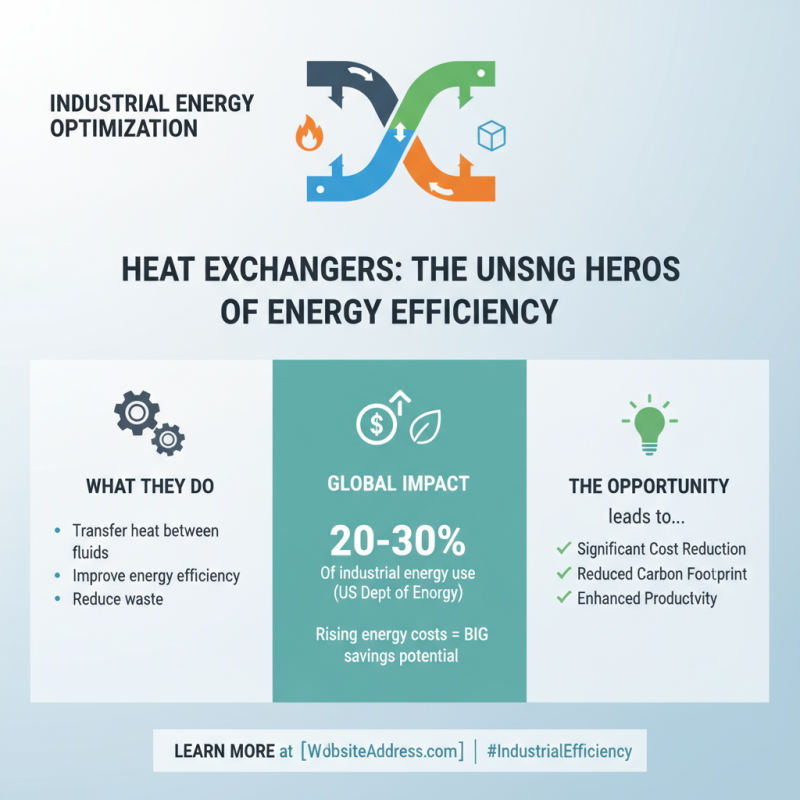
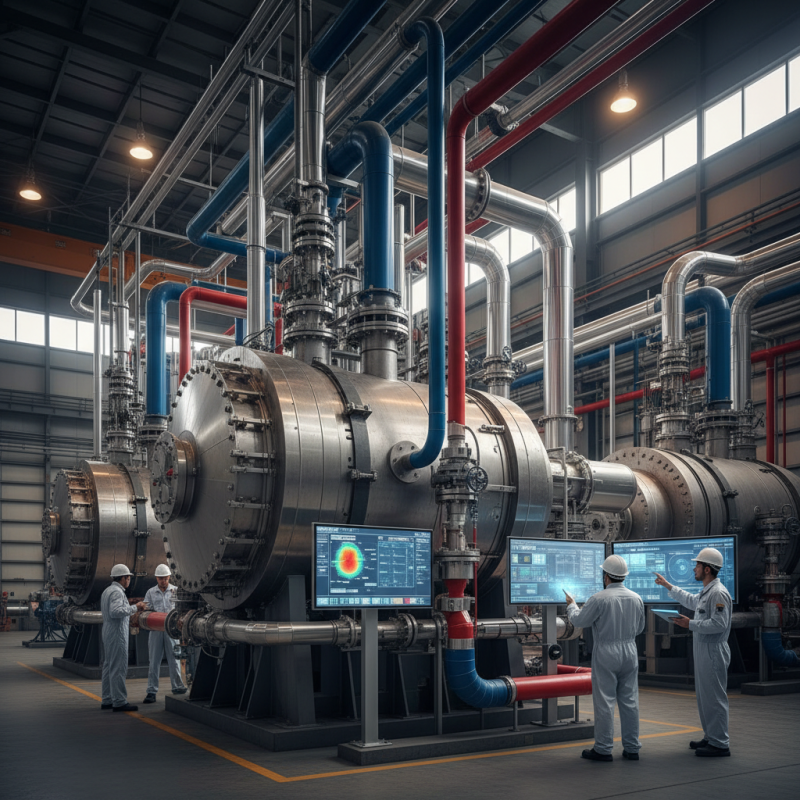
Heat exchangers are vital in many industrial processes. They transfer heat between two fluids, improving energy efficiency. According to the U.S. Department of Energy, these systems account for 20-30% of industrial energy use. With rising energy costs, optimizing heat exchangers can lead to significant savings.
Several factors influence their performance. Fouling, the accumulation of unwanted materials, reduces efficiency significantly. A study by the International Energy Agency reported that fouled heat exchangers can lose up to 30% of their efficiency. Regular maintenance is crucial but often overlooked. Many facilities neglect this, leading to increased operational costs and unexpected downtimes.
Understanding the flow arrangement is also essential. Counterflow designs generally offer better performance than parallel flow systems. However, these may require more complex arrangements. Balancing cost with efficiency is a constant challenge for engineers. It's a reflection of the ongoing struggle in industries: maximizing output while minimizing expenses.
Identifying Factors Affecting Heat Exchanger Efficiency
Heat exchanger efficiency is crucial in industrial systems. Several factors significantly impact this efficiency. For instance, fluid velocity plays a vital role. According to a 2021 industrial report, increasing the velocity by 20% can enhance heat transfer by over 30%. This improvement, while beneficial, requires careful monitoring. High velocities can lead to erosion and noise issues.
Another key factor is temperature difference. The greater the temperature difference between the hot and cold fluids, the more effective the heat transfer. Research indicates that even a modest increase in temperature differential can yield up to 15% more efficiency. However, maintaining this difference can strain system resources, leading to potential overheating.
Fouling is a common issue that detracts from efficiency. A 2022 study found that even a small amount of fouling can reduce performance by 20% or more. Regular maintenance and cleaning schedules are necessary but often overlooked. Operators must reflect on these maintenance habits to ensure long-term efficiency. Addressing these challenges can potentially lead to significant operational cost savings.
How to Improve Heat Exchanger Efficiency in Industrial Systems?
| Factor |
Description |
Impact on Efficiency (%) |
Improvement Strategies |
| Fluid Flow Arrangement |
Configuration of fluid paths in the exchanger. |
15% |
Use counterflow arrangements for better performance. |
| Heat Transfer Area |
Total surface area available for heat transfer. |
25% |
Increase surface area with fins or enhanced tubes. |
| Temperature Difference |
Difference in temperature between the fluids. |
20% |
Optimize inlet temperatures and flow rates. |
| Fouling |
Accumulation of unwanted materials on surfaces. |
30% |
Regular maintenance and cleaning schedules. |
| Fluid Properties |
Physical and thermal characteristics of the fluids. |
10% |
Select fluids with higher heat capacity or conductivity. |
Techniques for Enhanced Heat Transfer in Heat Exchangers
Enhancing heat transfer in heat exchangers
is crucial for industrial efficiency. One effective technique is increasing surface area. Using
corrugated or finned tubes can significantly improve contact between fluids.
More surface area leads to better heat exchange. However, this method also raises manufacturing costs.
Another method involves optimizing fluid flow patterns. Turbulent flow generally transfers heat
better than laminar flow. Incorporating baffles can disrupt laminar flow and promote turbulence.
Yet, careful design is vital to avoid pressure drops. A balance between flow efficiency and energy consumption is necessary.
Heat exchanger maintenance is also essential. Regular cleaning prevents fouling, which decreases efficiency.
However, maintenance schedules can be overlooked due to operating pressures. Regular inspections and cleaning can mitigate long-term performance issues.
Manually cleaning heat exchangers might be tedious, but it is critical for sustained efficiency.
Maintenance Practices to Optimize Heat Exchanger Performance
Regular maintenance of heat exchangers plays a critical role in enhancing efficiency. Neglecting these systems can lead to significant performance losses. Simple actions, such as routine inspections, can identify corrosion or scaling issues. These often go unnoticed but can severely hamper heat transfer effectiveness.
Cleaning the heat exchanger surfaces is essential. Deposit accumulation can reduce overall performance. Engineers might need to schedule cleaning more frequently than expected. Each system has its own characteristics, and trial and error may be necessary. Monitoring pressure drops across the exchanger can provide insight into uneven fouling. Regular data analysis helps to spot trends and predict maintenance needs.
Additionally, checking the seals and gaskets can prevent leaks, which waste energy. Damaged seals often lead to inefficient operation, increasing operational costs. Consider using more robust materials, but make sure to evaluate their compatibility with the fluids in use. Over time, this practice can yield substantial savings and prolong equipment lifespan, yet it demands attention to detail.
Advancements in Technology for Improving Heat Exchanger Efficiency
Improving heat exchanger efficiency is crucial for industrial systems. Recent advancements in technology have provided various means to boost performance. Innovations such as advanced materials, enhanced geometries, and smart monitoring systems are making a significant difference.
A key tip is selecting materials with better thermal conductivity. Copper-nickel alloys offer enhanced performance over traditional materials. They resist corrosion and improve heat transfer efficiency. Additionally, investing in enhanced geometries can maximize surface area, thus improving heat exchange rates.
Smart monitoring systems are also essential. They utilize sensors to track performance in real-time. This allows for quick identification of issues and areas for improvement. Regular maintenance scheduled based on real-time data can prevent costly downtime.
Reflecting on these advancements, the industry is evolving. There is always room for improvement. Continuous learning and adaptation are vital for staying ahead in efficiency. Innovations can always lead to better practices, but their successful implementation relies on thorough examination and willingness to adapt.
Efficiency Improvement of Heat Exchangers Over Time