Why is Heat Exchanger Technology Important for Energy Efficiency?
Heat exchanger technology is a crucial element in the pursuit of energy efficiency. Dr. Sarah Thompson, a leading expert in thermal systems, once stated, "Effective heat exchangers can significantly reduce energy consumption in various applications." This highlights the importance of optimizing energy use in industries globally.
Heat exchangers work by transferring heat between two or more fluids. They are widely used in power plants, HVAC systems, and chemical processes. Yet, many industries still overlook opportunities to enhance their heat exchanger design. This oversight can lead to unnecessary energy waste and increased operating costs.
As we consider the role of heat exchanger technology, it is vital to reflect on existing practices. Are businesses truly maximizing the potential of these systems? By embracing efficient designs, companies can significantly cut energy consumption. Some heat exchangers are outdated. They need upgrades to meet today’s energy demands. Focusing on innovative solutions could foster a more sustainable future.
The Role of Heat Exchangers in Energy Conservation
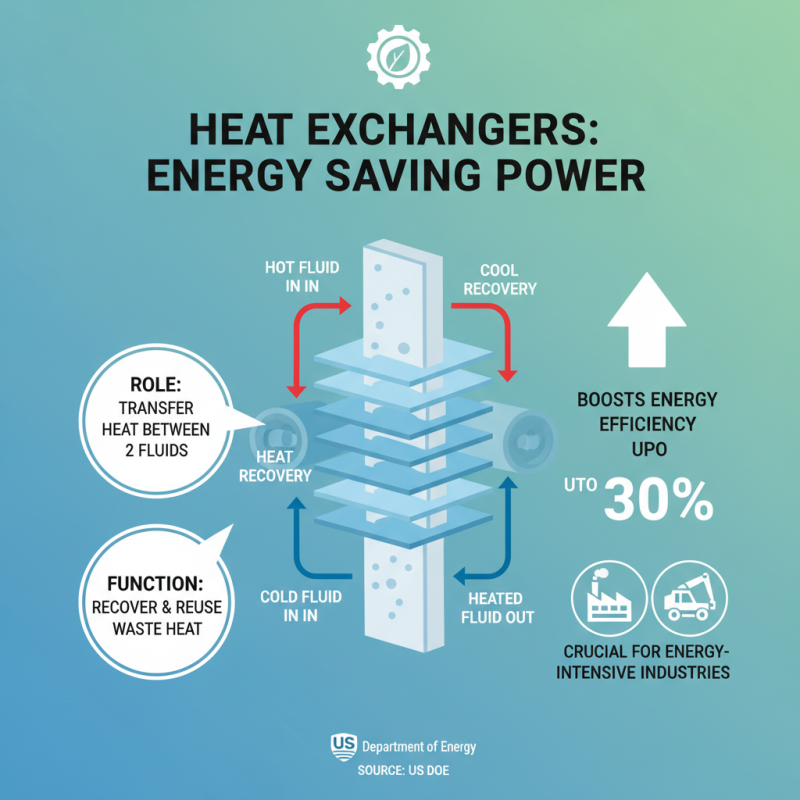
Heat exchangers play a crucial role in energy conservation. These devices transfer heat between two fluids. They allow industries to recover and reuse waste heat. According to the U.S. Department of Energy, heat exchangers can improve energy efficiency by up to 30%. This is significant, especially for energy-intensive sectors.
In many industrial processes, heat losses are a common issue. The heat that escapes can lead to increased fuel consumption and higher costs. Efficient heat exchangers can mitigate this problem. Research indicates that about 10-20% of total energy usage can be saved through proper heat recovery.
Yet, not all systems perform at their best. Design flaws can reduce efficiency, and maintenance is often neglected. In a recent report, it was highlighted that up to 40% of heat exchanger capacity could be lost due to fouling. This emphasizes the need for regular checks. Addressing these issues can transform energy conservation efforts in any facility.
Types of Heat Exchangers and Their Applications
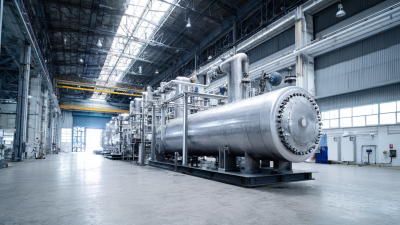
Heat exchangers play a crucial role in improving energy efficiency across various industries. There are different types of heat exchangers, each designed for specific applications. For instance, shell-and-tube heat exchangers are widely used in power plants due to their robustness and efficiency in heat transfer. According to industry reports, these systems can improve thermal efficiency by up to 30%. However, they can also be complex and expensive to maintain.
Plate heat exchangers are another popular choice, especially in food processing and HVAC systems. They offer high thermal performance in a compact design. Recent studies indicate that they can reduce energy consumption by about 20% compared to older technologies. Yet, their design may require frequent cleaning. This could lead to downtime and increased operational costs.
Air-cooled heat exchangers are commonly used in cooling applications. They eliminate water usage, making them an eco-friendly option. Reports show a growing preference for these systems, driven by water scarcity concerns. However, they can be less efficient in very hot climates. Balancing efficiency with practicality remains a challenge. Each type has advantages and drawbacks. Therefore, careful selection based on specific needs is vital.
How Heat Exchangers Improve System Efficiency
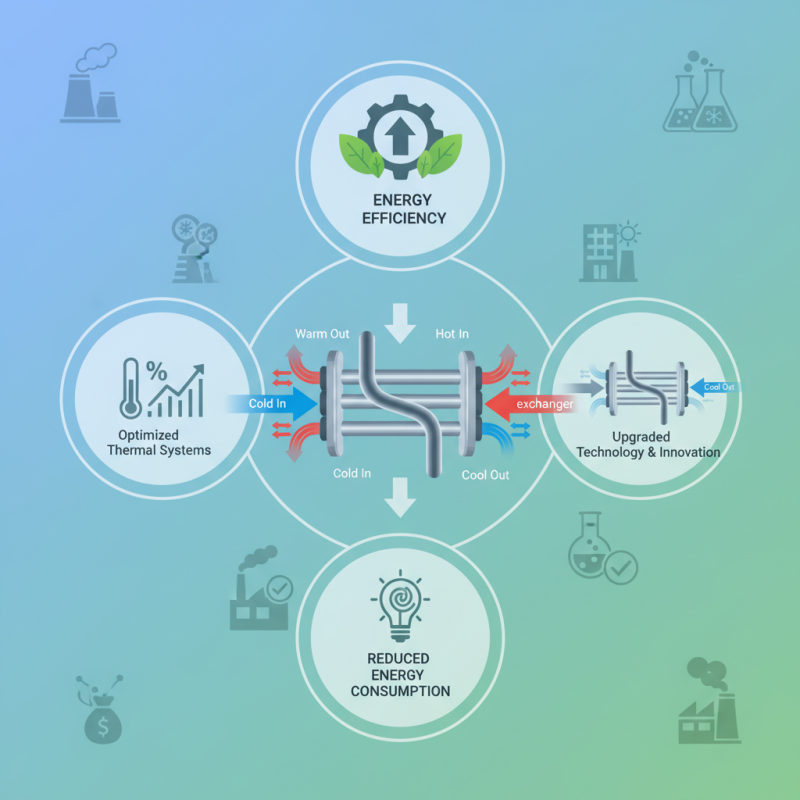
Heat exchangers play a vital role in improving system efficiency across various industries. They transfer heat between fluids, allowing energy recovery and minimizing waste. This process is crucial in heating, cooling, or even energy generation systems. By reusing heat, heat exchangers significantly lower energy consumption. They can reduce operating costs and lessen environmental impact.
In many systems, the effectiveness of heat exchangers can be affected by design flaws or material choices. If they are not optimized, performance may suffer. For instance, improper sizing can lead to inadequate heat transfer. It may seem like a minor issue, but it impacts overall efficiency. Moreover, maintenance is often overlooked, which can diminish their effectiveness over time. Regular checks and cleaning can ensure they perform at their best.
The integration of innovative heat exchangers can further enhance system efficiency. Advanced designs, like those using nanotechnology, show great promise. However, these options may come with higher initial costs and technical challenges. It’s essential to weigh the benefits against these factors. Balancing cost and efficiency continues to be a significant challenge for many organizations.
Impact of Heat Exchangers on Energy Efficiency
This chart demonstrates the significant reduction in energy consumption achieved by implementing heat exchanger technology. It highlights a decrease from 1000 kWh to 600 kWh, showcasing how heat exchangers enhance system efficiency by recovering waste heat and minimizing energy loss.
Environmental Benefits of Utilizing Heat Exchanger Technology
Heat exchanger technology plays a crucial role in environmental sustainability. By capturing and reusing waste heat, it significantly reduces energy consumption. In many industrial processes, heat that would otherwise be lost can be redirected to other operations. This not only saves energy but also lowers greenhouse gas emissions.
The adoption of heat exchangers can lead to cleaner air and less pollution. Factories and power plants using this technology release fewer harmful substances into the atmosphere. This shift can benefit communities by improving air quality. Moreover, it encourages industries to rethink energy use. However, integrating these systems is not without challenges.
Some operations may face high initial costs. There can be technical difficulties in retrofitting old systems. To fully embrace this technology, companies might need to invest time and resources. The road ahead is not perfectly clear, but the potential environmental benefits are undeniably significant. The commitment to sustainable practices must evolve.
Future Trends in Heat Exchanger Innovations for Energy Efficiency
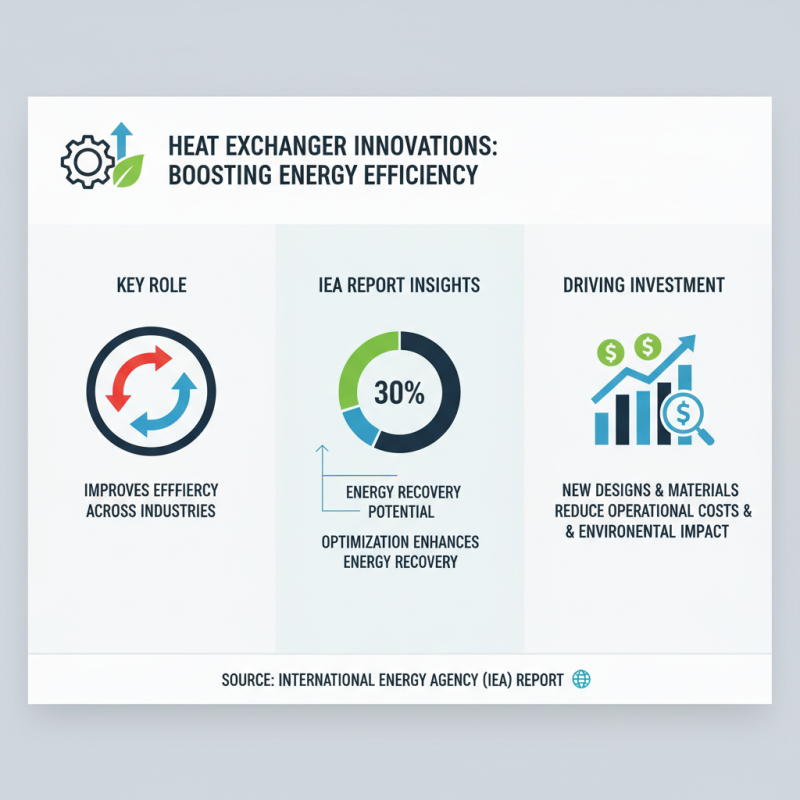
Heat exchanger technology plays a crucial role in improving energy efficiency across various industries. Innovations in this field are pivotal as companies strive to reduce operational costs and minimize environmental impact. According to a recent report by the International Energy Agency (IEA), optimizing heat exchanger performance can enhance energy recovery by up to 30%. This potential is driving significant investments into new designs and materials.
Future trends indicate a shift towards more compact and efficient heat exchangers. Emerging materials, like advanced composites and nanomaterials, are gaining attention. These can withstand higher pressures and temperatures, thus enhancing overall effectiveness. A study from the American Society of Mechanical Engineers noted that these innovations could lead to a 20% increase in thermal efficiency. However, challenges remain. The lifecycle costs associated with new technologies are still uncertain. Many companies hesitate to adopt these advancements due to high initial investments.
Moreover, the circular economy is influencing heat exchanger development. Engineers are exploring ways to repurpose materials and designs. This not only reduces waste but also aligns with sustainability goals. Despite this progress, real-world applications often lag behind theoretical models. Many systems still operate on outdated technology, highlighting the need for change. Without addressing these barriers, the full potential of heat exchanger innovations may remain unfulfilled.