What is the Importance of Cooling Systems in Modern Technology
In the rapidly evolving landscape of modern technology, the significance of Cooling Systems cannot be overstated. As industries rely increasingly on high-performance computing, data centers, and electronic devices, the need for effective heat management has become paramount. According to a report by MarketsandMarkets, the global market for cooling systems is projected to reach $42.4 billion by 2025, showcasing a robust compound annual growth rate (CAGR) of 8.4% from 2020 to 2025. This growth reflects the critical role that efficient cooling solutions play in enhancing performance, reliability, and energy efficiency in technological applications.
Expert insights further underscore the importance of cooling systems in this context. Dr. Emily Johnson, a leading authority in thermal management from the Thermal Alliance Group, highlights, “The optimization of Cooling Systems is not just essential for operational efficiency but also crucial for the sustainability of our energy resources.” Her statement captures the dual challenge of maintaining performance while addressing environmental concerns in modern technology. As industries navigate this complex landscape, the development and implementation of innovative cooling technologies will be vital to support the demands of next-generation applications.
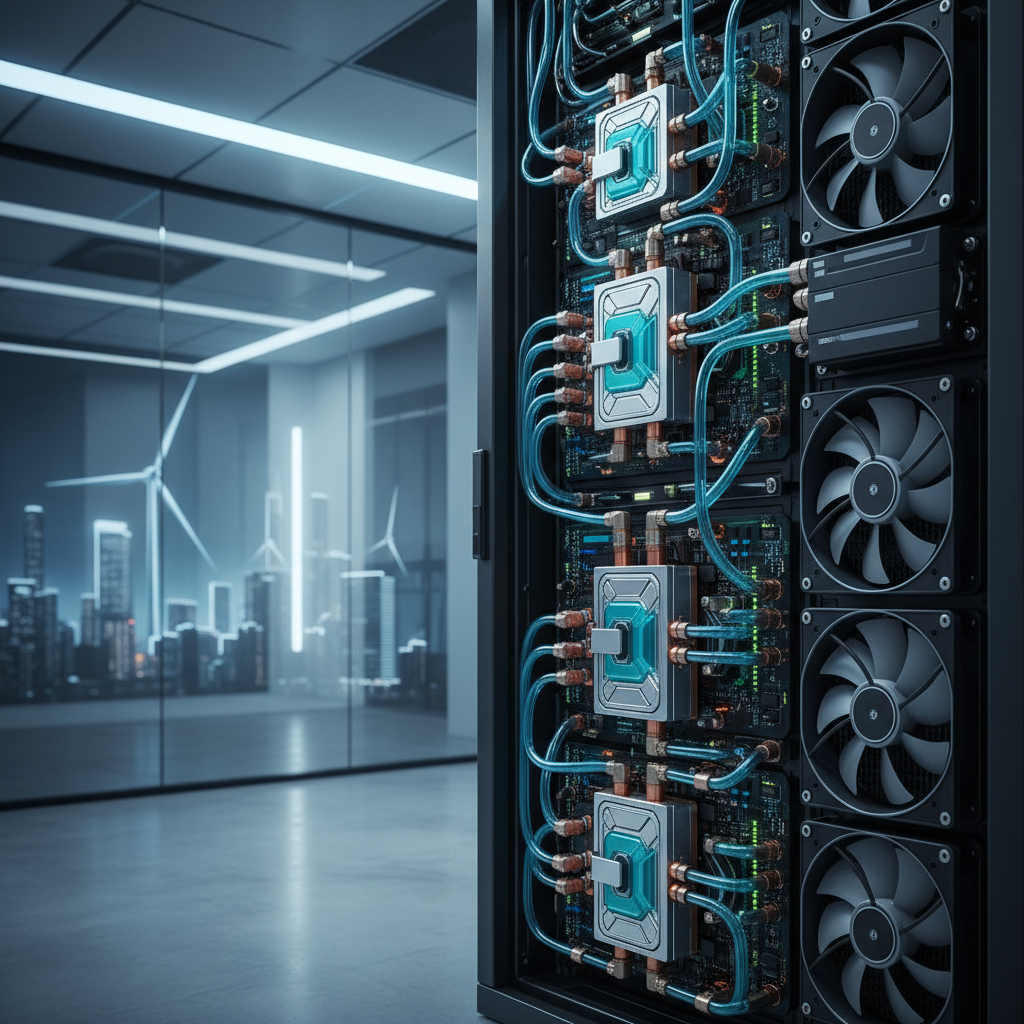
The Critical Role of Cooling Systems in Computer Hardware Efficiency
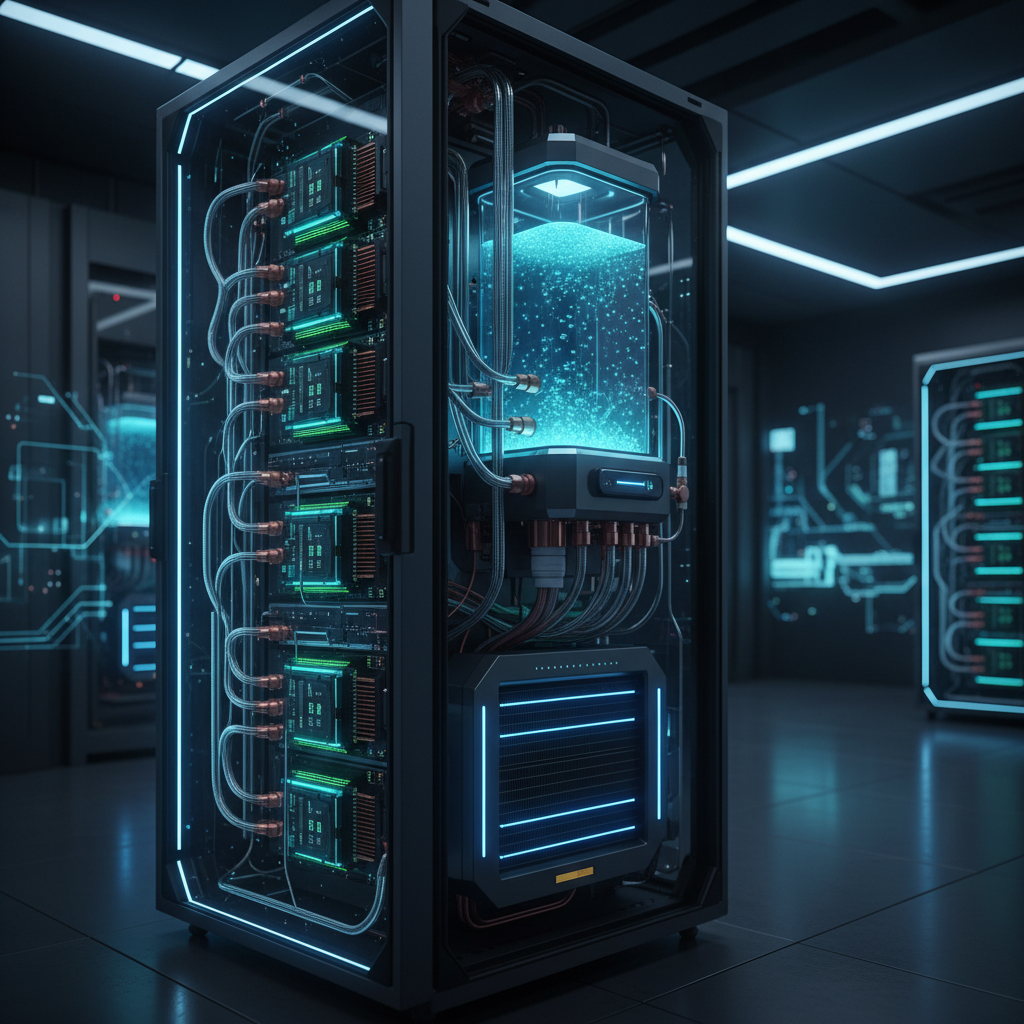
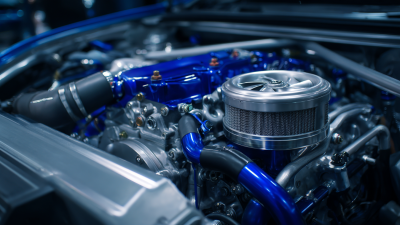
Cooling systems are becoming increasingly vital in enhancing the efficiency of computer hardware, particularly in today’s AI-driven technological landscape. As the demand for powerful computational capabilities grows, so does the need for advanced cooling solutions to manage heat generation in high-performance computing environments. Innovations such as liquid cooling and microfluidic cooling methods are emerging as game-changers, allowing for better thermal management, reduced energy consumption, and improved overall system performance.
Data centers serve as the backbone for modern computing tasks, but their growth is constrained by power and sustainability challenges. Cooling technologies play a crucial role in this context, ensuring that the hardware operates within optimal temperature ranges, thus extending its lifespan and reliability. For chip developers, integrating hardware and software co-design is essential to optimize cooling systems, allowing for the efficient processing of data while minimizing energy usage. As technology continues to advance, the implementation of effective cooling solutions will be integral to supporting the exponentially increasing demands of data centers in the near future.
Innovative Cooling Solutions for Enhanced Performance in Electronics
Innovative cooling solutions are becoming increasingly vital as electronics demand higher performance and efficiency. The collaboration between Samsung and the Johns Hopkins University Applied Physics Laboratory showcases cutting-edge advancements in cooling technology, specifically through non-refrigerant Peltier cooling systems. This approach not only reduces environmental impact but also enhances the thermal management of electronic devices, contributing to their longevity and efficiency.
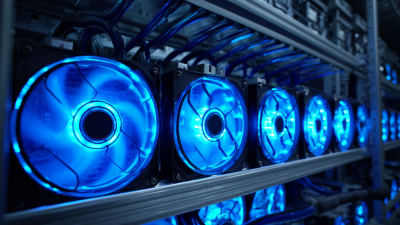
Another major trend is the growing adoption of immersion cooling technologies, especially in high-density computing environments. These solutions improve heat dissipation, making them ideal for sectors like AI and data centers, where traditional cooling methods fall short. As AI chips generate unprecedented amounts of heat, innovative methods such as passive evaporative cooling membranes are emerging to address these challenges, ensuring that electronic components operate optimally without overheating. This evolving landscape of cooling technologies underscores the critical role they play in advancing modern electronics and enhancing overall performance.
What is the Importance of Cooling Systems in Modern Technology - Innovative Cooling Solutions for Enhanced Performance in Electronics
| Cooling Solution Type |
Application Area |
Efficiency (%) |
Cost (USD) |
Lifespan (Years) |
Environmental Impact |
| Liquid Cooling |
High-Performance Computing |
85 |
2000 |
5 |
Low |
| Air Cooling |
Consumer Electronics |
75 |
500 |
3 |
Moderate |
| Phase Change Materials |
Data Centers |
90 |
1500 |
10 |
Low |
| Thermal Interface Materials |
Semiconductors |
80 |
300 |
7 |
Low |
| Immersion Cooling |
Cryptocurrency Mining |
95 |
3000 |
8 |
Very Low |
Impact of Cooling Technologies on Energy Consumption and Sustainability
Cooling systems play a pivotal role in modern technology, particularly in the context of energy consumption and sustainability. According to a report by the International Energy Agency (IEA), cooling accounts for approximately 15% of global electricity consumption, a figure projected to rise significantly as temperatures increase and urban areas expand. Advanced cooling technologies, such as variable refrigerant flow (VRF) systems and evaporative cooling, have demonstrated the potential to reduce energy usage by up to 30% compared to traditional cooling methods. This reduction not only leads to lower operational costs but also contributes to a decrease in greenhouse gas emissions, aligning with global sustainability goals.
Moreover, innovative cooling solutions are now being integrated into smart building designs, optimizing energy efficiency further. The U.S. Department of Energy estimates that the implementation of energy-efficient cooling systems could lead to a savings of over $30 billion in energy costs in the commercial sector alone by 2030. By incorporating renewable energy sources, such as solar-powered cooling systems, businesses can achieve even greater sustainability outcomes, minimizing their reliance on fossil fuels and enhancing energy resilience. As industries continue to seek ways to balance technological advancement with ecological responsibility, the significance of effective cooling technologies cannot be overstated.
Impact of Cooling Technologies on Energy Consumption and Sustainability
This chart illustrates the energy consumption efficiency of various cooling technologies used in modern technology. The data demonstrates how advanced cooling systems contribute to sustainability by reducing energy usage over time.
Future Trends in Cooling Systems: Challenges and Innovations
The growing emphasis on sustainability and energy efficiency is driving innovations in cooling systems, with natural refrigerants taking center stage. In 2023, the global market for natural refrigerants was valued at $15.9 billion, reflecting a significant interest in eco-friendly alternatives to traditional cooling methods. As regulations surrounding greenhouse gas emissions tighten globally, the shift towards natural refrigerants not only presents a viable solution for businesses but also aligns with global sustainability goals.
As we look towards the future, the cooling systems industry faces several challenges, including the need for technological advancements and cost-effective solutions that can accommodate diverse applications. Predictions indicate that the market will expand rapidly, with an expected growth from $17 billion in 2024 to an impressive $28.1 billion by 2032. This growth showcases the relentless pursuit of innovation in cooling technologies, particularly in developing systems that are more efficient and environmentally friendly. The industry must navigate these challenges while exploring new technologies that could redefine how we utilize cooling systems in various sectors.
Essential Maintenance Tips for Maximizing Cooling System Lifespan
Cooling systems play a crucial role in modern technology, ensuring that devices operate within optimal temperature ranges. To maintain the efficiency and longevity of these systems, regular maintenance is essential.
One key tip is to regularly check and replace air filters in HVAC units or cooling equipment.
Clean filters improve airflow and system efficiency while reducing the strain on the components.
Another important aspect of maintenance is the inspection of cooling fluid levels. Ensuring that coolant is filled to the appropriate levels prevents overheating and maintains the effectiveness of the cooling system. Additionally, it’s beneficial to periodically examine the entire system for any signs of wear or leaks;
addressing minor issues promptly can prevent costly repairs down the line. Implementing these maintenance practices can significantly extend the lifespan of cooling systems and enhance overall system performance.