How to Choose Heat Exchanger Technology at 2026 Canton Fair?
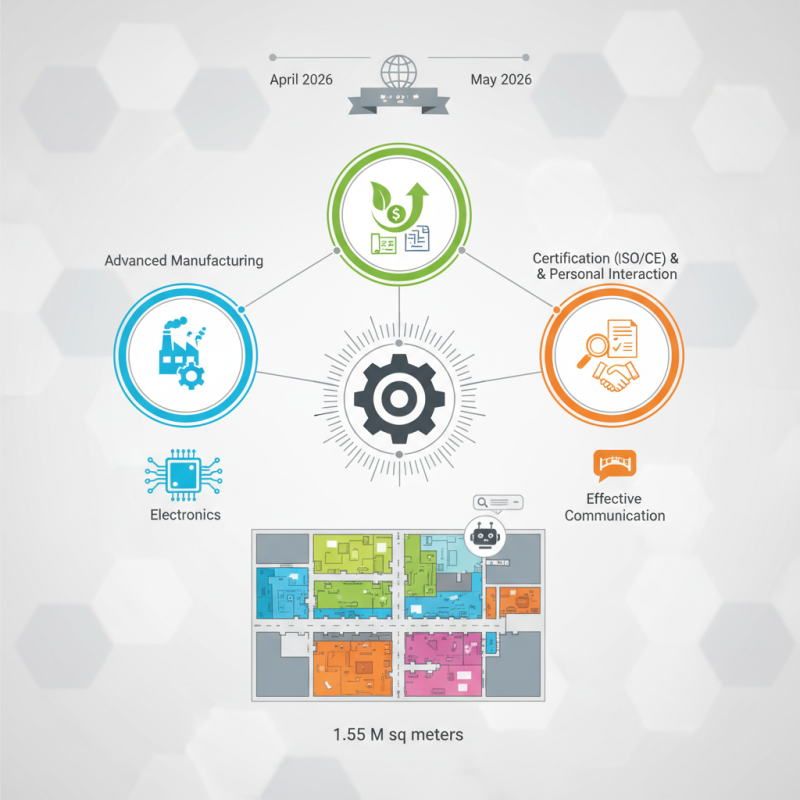
As the 2026 Canton Fair approaches, businesses must focus on Heat Exchanger Technology. This year's event, set in April and May, highlights innovations across various sectors like advanced manufacturing and electronics. Attendees will explore an expansive 1.55 million square meters of exhibition space.
AI-driven features enhance the experience this year. Buyers can quickly identify suppliers with specific certifications, such as ISO and CE. This efficiency is crucial when navigating the fair’s vast offerings. Yet, one must ponder whether the reliance on technology might overshadow personal interactions.
Heat Exchanger Technology plays a vital role in various industries. It is essential for optimizing energy efficiency and reducing operational costs. However, understanding complex specifications can be challenging. Suppliers must communicate effectively to bridge this gap. Reflecting on these elements will be key to making informed choices at the fair.
Factors to Consider When Selecting Heat Exchanger Technology
Choosing the right heat exchanger technology involves several critical factors. One of the primary considerations is efficiency. Reports indicate that plate heat exchangers can achieve up to 90% efficiency in energy transfer. In contrast, shell-and-tube units often reach around 70-80%. This data shows the potential for significant energy savings with the right choice.
Material selection is another key factor. Corrosion-resistant materials can extend the lifespan of the equipment. According to industry experts, using stainless steel or titanium can increase durability and reduce maintenance costs. However, such materials might also raise initial investments, which need careful consideration.
It’s also important to evaluate the space and installation requirements. Some technologies, like spiral heat exchangers, require less space but can be more complex to install. In contrast, traditional models might need more room but offer simplified installation processes. Gathering input from engineers on layout requirements can guide decision-making. Each choice has its trade-offs that should be discussed thoroughly. These aspects will help ensure an informed decision at the 2026 Canton Fair.
Types of Heat Exchangers Available at the 2026 Canton Fair
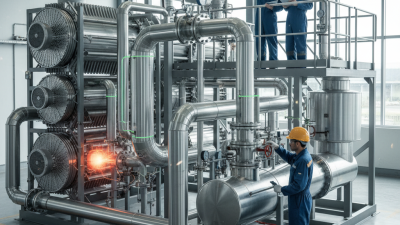
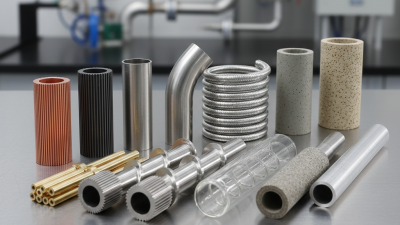
When attending the 2026 Canton Fair, visitors will encounter various types of heat exchangers. These devices are crucial for transferring heat between two or more fluids. The materials used in these heat exchangers can vary widely. Common options include metals such as copper and stainless steel. These materials each bring unique advantages and disadvantages in terms of durability and efficiency.
Among the types showcased, shell and tube heat exchangers are quite popular. They are known for their high efficiency and ability to handle large volumes of fluids. Plate heat exchangers also draw interest due to their compact size and easy maintenance. Visitors should note that each type has its own installation requirements and operational challenges. It’s essential to consider these factors before making a decision.
Several other designs will also be present, such as air-cooled and double-pipe heat exchangers. The selection may appear overwhelming. It’s crucial to assess your specific needs rather than choosing based purely on appearance or cost. Attendees should engage with exhibitors and ask detailed questions. This can lead to valuable insights into the best options available for their projects.
How to Choose Heat Exchanger Technology at 2026 Canton Fair?
| Type of Heat Exchanger |
Material |
Application |
Efficiency |
Price Range (USD) |
| Shell and Tube |
Stainless Steel |
Oil & Gas |
85% |
2000 - 5000 |
| Plate |
Stainless Steel / Nickel |
Food Industry |
90% |
1500 - 4000 |
| Air-Cooled |
Aluminum |
HVAC |
80% |
1000 - 3000 |
| Double Pipe |
Copper |
Chemical Processing |
75% |
500 - 2000 |
Evaluating Performance Metrics for Heat Exchanger Technologies
Choosing the right heat exchanger technology involves careful consideration of performance metrics. These metrics determine efficiency and effectiveness in various applications. Key factors include thermal performance, pressure drop, and fouling resistance.
(Image Placeholder)
Thermal performance indicates how well a heat exchanger transfers heat. It's important to select technology that matches the specific requirements of the application. Pressure drop impacts energy consumption and operational costs. Higher pressure drops might require more robust pumps, affecting the overall system efficiency.
Fouling resistance is crucial. It relates to how easily the exchanger accumulates dirt and debris. Poor fouling resistance can lead to frequent maintenance and downtime. Evaluating these metrics is imperative. Without proper assessment, you may choose technology that doesn’t meet long-term goals. Remember, every decision has trade-offs that can impact performance.
Sourcing Reputable Manufacturers and Suppliers at the Canton Fair
When attending the 2026 Canton Fair, sourcing reputable manufacturers is crucial. The fair hosts numerous suppliers in the heat exchanger industry. According to a recent market report, the global heat exchanger market size is expected to reach $20 billion by 2027. This growth emphasizes the need for quality manufacturers. Not all exhibitors meet high standards.
Choosing the right supplier requires careful evaluation. Look for manufacturers with certifications and a robust portfolio. Industry sources suggest that around 30% of suppliers may not meet international quality benchmarks. Investigate their production facilities and technology capabilities. Personal visits and virtual meetings can reveal a lot about their operations.
Networking is essential at the Canton Fair. Engage with industry professionals and fellow buyers. Insights from others can guide you towards reliable suppliers. Remember, not every attractive booth guarantees quality. Take your time to research and verify. This process can avoid costly mistakes later on. Many buyers regret rushing their decisions and facing issues post-purchase. Focus on building relationships and trust first.
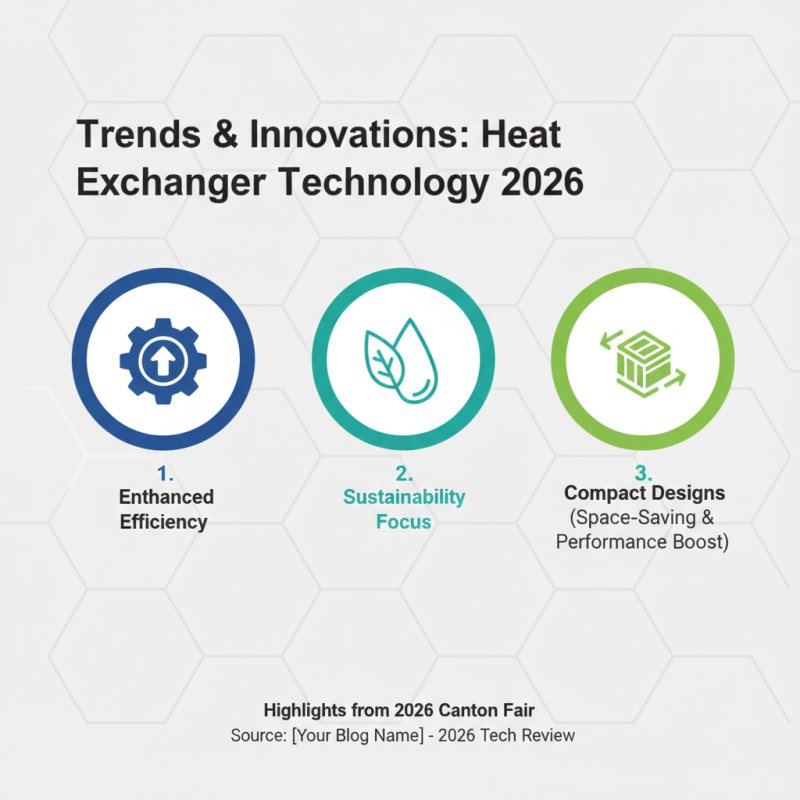
Heat Exchanger Technology Trends in 2026