Why is Heat Exchanger Efficiency Critical for Global Buyers?
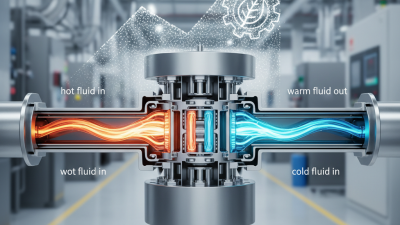
In today’s competitive industrial landscape, Heat Exchanger Efficiency is paramount for global buyers, influencing both operation costs and environmental impact. Reports from the International Energy Agency highlight that inefficient heat exchangers can lead to energy losses exceeding 30%. Such figures underscore the pressing need for high-performance solutions.
Dr. Julia Fenton, a leading expert in thermal management, asserts, “Improving heat exchanger efficiency directly correlates with reduced carbon footprints.” This insight reminds us that optimizing these systems is not merely a technical challenge; it is a responsibility towards sustainable practices.
As industries strive to meet increasingly stringent regulations, the focus on Heat Exchanger Efficiency becomes critical. Buyers must prioritize advanced designs that ensure maximum energy transfer. However, the industry is not without its flaws. Many existing systems still lag behind optimal efficiency standards. Efforts to enhance technology and minimize inefficiencies are ongoing. Addressing these gaps can lead to significant cost and energy savings, benefiting businesses and the environment alike.
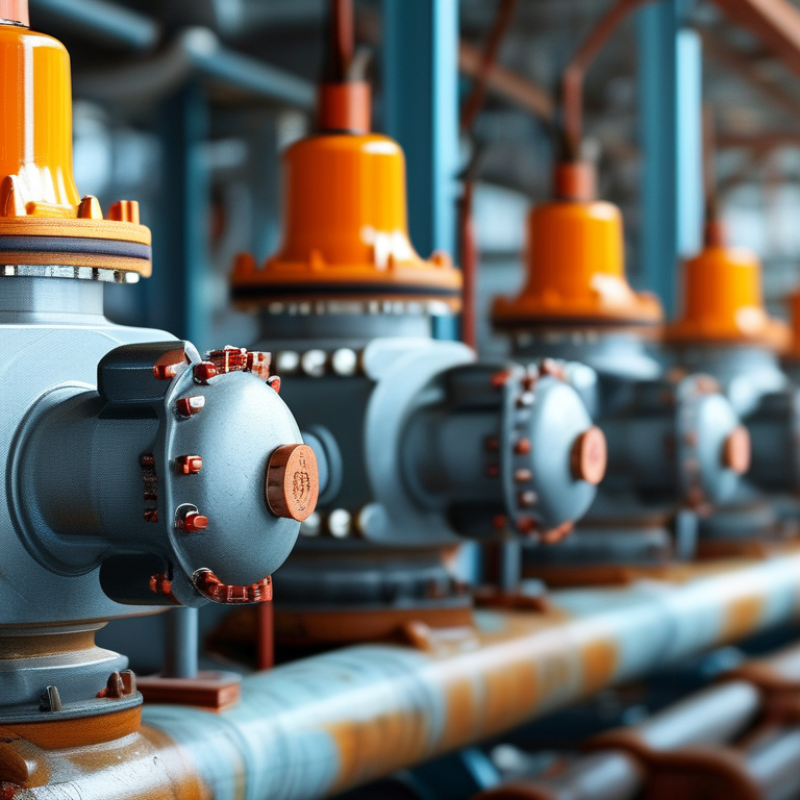
Heat Exchanger Efficiency: A Key Component in Energy Management
Heat exchangers play a pivotal role in energy management across various industries. Their efficiency impacts overall operational costs and sustainability goals. According to a report by the U.S. Department of Energy, improperly maintained heat exchangers can lead to energy losses up to 30%. This inefficiency not only escalates energy bills but also increases greenhouse gas emissions.
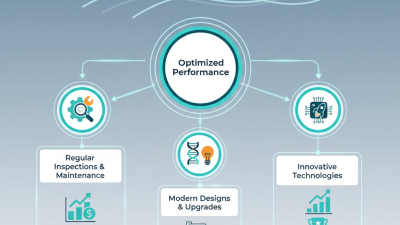
Improving heat exchanger efficiency can significantly enhance energy recovery processes. For instance, optimizing the design and maintenance of these systems can reduce energy consumption by 10-20%. In sectors like manufacturing and HVAC, even small improvements can yield substantial savings. Nonetheless, many companies overlook regular maintenance checks, which can lead to suboptimal performance levels.
Balancing costs and efficiency is challenging. While advanced heat exchange systems can carry a higher upfront cost, the long-term savings often justify the investment. Industry studies indicate that companies investing in energy-efficient heat exchangers report an average payback period of three years. However, hesitation in adopting such technologies can hinder overall progress toward sustainability.
Market Demand for High-Efficiency Heat Exchangers in Various Industries
The demand for high-efficiency heat exchangers is growing across various industries. Companies are increasingly focused on minimizing energy costs. Inefficient systems lead to higher operational expenses. That is why industries like manufacturing, power generation, and HVAC are investing heavily in these technologies.
Efficiency is not just about saving money; it's also about sustainability. Many companies aim to reduce their carbon footprint. High-performance heat exchangers contribute to lower emissions and better resource management. However, buyers often struggle to find products that balance efficiency and cost.
Market trends show that industries prioritize technological advancements. They seek solutions that integrate easily into existing systems. But there are challenges. Not all high-efficiency models fit every application. Buyers must consider compatibility and maintenance issues. This requires careful evaluation, and sometimes, trial and error. Finding the right fit represents both a challenge and an opportunity for growth.
Why is Heat Exchanger Efficiency Critical for Global Buyers? - Market Demand for High-Efficiency Heat Exchangers in Various Industries
| Industry |
Efficiency (%) |
Market Demand (USD Billion) |
Growth Rate (%) |
| Chemical Processing |
90 |
15.2 |
5.5 |
| Oil & Gas |
92 |
20.3 |
4.8 |
| HVAC |
88 |
10.8 |
6.2 |
| Food & Beverage |
85 |
8.5 |
3.9 |
| Energy & Power |
93 |
25.6 |
7.3 |
Impact of Heat Exchanger Efficiency on Operational Costs and Energy Savings
Heat exchangers play a vital role in various industries, impacting overall operational costs. A significant portion of energy consumption goes towards heating and cooling processes. According to a report by the U.S. Department of Energy, inefficient heat exchangers can lead to energy losses of up to 30%. This inefficiency translates directly into higher operational expenses for companies, affecting their bottom lines.
Investing in high-efficiency heat exchangers can lead to substantial energy savings. Studies indicate that upgrading heat exchanger systems can reduce energy consumption by 20-40%. Such reductions increase competitiveness in a market where margins are tight. Companies that prioritize efficiency also benefit from lower maintenance costs, as well-maintained systems operate better over time. However, achieving optimal efficiency often requires ongoing monitoring, which can present challenges for some firms.
Despite the clear benefits, not all organizations recognize the importance of heat exchanger efficiency. Some may overlook regular maintenance or fail to invest in advanced technologies. This oversight can hinder their operational performance. Companies risk falling behind industry standards, especially when energy prices fluctuate. A lack of awareness may lead to lost opportunities for improvement and the increasing importance of energy sustainability.
Regulatory Standards and Compliance Affecting Heat Exchanger Performance
Heat exchangers play a vital role in industries such as chemical processing, power generation, and HVAC systems. Their efficiency directly links to compliance with various regulatory standards. These standards ensure that the equipment operates safely and minimizes environmental impact. Non-compliance can result in hefty fines and operational shutdowns.
Recent industry reports highlight that approximately 30% of heat exchangers fail to meet regulatory efficiency standards. This inefficiency leads to increased energy consumption and higher operational costs. Additionally, regulations set by organizations like the ASHRAE and the EPA push for better thermal performance. The drive for compliance often prompts manufacturers to innovate and improve their designs.
While many companies strive for regulatory compliance, it can be challenging. Meeting the standards requires constant monitoring and upgrading of heat exchangers. Many firms often lag in this area, risking their market position. They must balance compliance with the cost of innovation. Addressing these issues is crucial to improving their heat exchanger performance and aligning with global standards.
Heat Exchanger Efficiency Ratings by Compliance Standards
This chart displays the efficiency ratings of heat exchangers based on various regulatory standards commonly followed globally. As compliance with these standards becomes increasingly critical for buyers, understanding the performance metrics is vital. The data illustrates the percentage efficiency achieved under different regulatory standards.
Technological Innovations Driving Improvement in Heat Exchanger Efficiency
Technological advancements play a significant role in improving heat exchanger efficiency. Recent reports indicate that enhanced designs can boost efficiency by up to 30%. This improvement translates to substantial energy savings. Buyers globally are increasingly recognizing the importance of these innovations. Efficient heat exchangers reduce operational costs and minimize environmental impact.
New materials and improved heat transfer technologies are at the forefront of this evolution. For instance, studies reveal that utilizing advanced alloys can increase heat transfer rates and extend lifespan. Such developments foster a more sustainable approach in industries ranging from power generation to manufacturing. However, integrating these technologies is not without challenges.
Adopting new designs may require significant upfront investments. Some businesses struggle to justify these costs, especially in volatile markets. This creates a gap between potential benefits and practical implementation. Efficient heat exchangers offer great promise, yet the journey toward universal adoption is complex. Industry stakeholders must continually assess these innovations' real-world applications.