10 Essential Tips for Choosing Heat Exchanger Tube?
Choosing the right Heat Exchanger Tube is crucial for optimal performance. Many factors come into play. It's not just about size or material. A right choice can enhance efficiency and longevity.
Many users overlook design specifics. Each application has unique demands. If you pick a generic tube, you may face issues. Efficiency can drop. Maintenance costs might rise unexpectedly. It's essential to analyze your needs thoroughly.
Common pitfalls include ignoring compatibility and corrosion resistance. Often, users select a tube based on cost alone. This can lead to regrets. Investing in quality is vital. Reflect on your choices. What works for one system may not suit another. Choosing wisely matters.
Understanding the Basics of Heat Exchangers and Their Applications
Heat exchangers serve a vital role in various industrial processes. They facilitate the transfer of heat between two or more fluids without mixing them. Common applications include HVAC systems, chemical processing, and power generation. Understanding the basics of these devices is crucial for effective implementation.
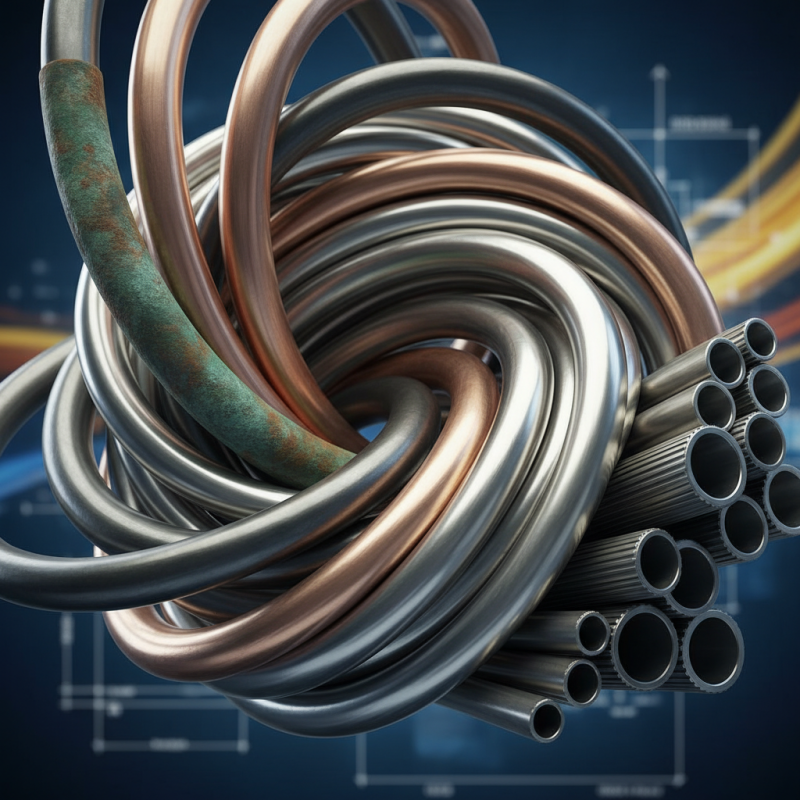
When selecting a heat exchanger tube, considerations include material type and size. The choice of material influences durability and efficiency. Copper and stainless steel are popular due to their thermal conductivity and resistance to corrosion. Tube size impacts flow rates and heat transfer efficiency. Misjudging these factors can lead to poor performance.
In practice, the design should reflect the specific application. For example, a compact design might seem appealing, but it can limit maintenance access. Real-world testing and prototyping are often necessary to identify the best configuration. Regular review and adjustment of design are essential for optimal performance. It’s easy to overlook these details, leading to unnecessary frustrations and inefficiencies.
Key Materials for Heat Exchanger Tubes and Their Impact on Performance
Choosing the right material for heat exchanger tubes is crucial. The performance of a heat exchanger hinges on the materials used. Common materials include copper, stainless steel, and titanium. Each material has unique properties that influence efficiency, durability, and overall performance.
Copper is known for its excellent thermal conductivity. However, it can be prone to corrosion in certain environments. Stainless steel, on the other hand, is durable and resistant to rust. Yet, it may not conduct heat as effectively. Titanium offers high strength and corrosion resistance, making it ideal for harsh conditions. But, it's also more expensive.
When selecting a heat exchanger tube, consider the application's specific requirements. Think about operating temperatures, pressure, and potential fluid interactions. One key tip is to match the tube material with the operating environment. This alignment can significantly enhance efficiency. Also, consult with experts or conduct thorough research on the performance of each material. Don't rush the decision, as it impacts heat exchange efficiency.
Factors to Consider When Selecting Tube Diameter and Length
Selecting the right heat exchanger tube involves careful consideration, particularly regarding tube diameter and length. The diameter significantly affects flow rates and pressure drops. Smaller diameters can increase velocity but may also contribute to increased pressure loss. It's essential to analyze the system's requirements to find that sweet spot. For instance, in high-velocity applications, a narrower tube could lead to issues.
Length is another critical factor. Longer tubes generally allow for more heat transfer surface area. However, excessive length can complicate installation and maintenance. The benefits must be weighed against potential drawbacks. Think about accessibility and space constraints in your setup. A balance must be struck between thermal efficiency and practical usability.
In some situations, the desired heat transfer rate may not justify the complexity introduced by larger or longer tubes. Conducting a thorough analysis is vital. Evaluate your specific application to avoid pitfalls that can arise from arbitrary choices. Finding an ideal balance takes time and careful thought, but it’s worth the effort. Recognizing the nuances involved will help you make a more informed decision.
10 Essential Tips for Choosing Heat Exchanger Tube
| Tip Number |
Factor |
Description |
Recommended Value |
| 1 |
Tube Diameter |
Consider the fluid flow rate and pressure drop. |
1-2 inches |
| 2 |
Tube Length |
Ensure sufficient surface area for heat transfer. |
5-15 feet |
| 3 |
Material |
Choose material based on corrosion and temperature. |
Stainless Steel or Copper |
| 4 |
Manufacturing Process |
Select tubes based on welding vs seamless processes. |
Seamless |
| 5 |
Fin Type |
Select appropriate fin type for enhanced heat transfer. |
Helical or Finned |
| 6 |
Pressure Rating |
Ensure the tube can handle the operational pressures. |
Up to 1500 psi |
| 7 |
Thermal Conductivity |
Choose materials with high thermal conductivity for efficiency. |
> 200 W/m·K |
| 8 |
Surface Finish |
A smoother finish will reduce fouling and enhance performance. |
Polished |
| 9 |
Cleaning Method |
Consider how easy it is to clean and maintain the tubes. |
Chemical Cleanable |
| 10 |
Cost |
Balance performance features against budget constraints. |
Competitive Pricing |
Evaluating Heat Transfer Efficiency and Resistance to Corrosion
Selecting the right heat exchanger tube is critical for optimal performance. One major aspect is heat transfer efficiency. Studies show that the right material can improve efficiency by 20-30%. Tubes made from copper or aluminum often exhibit higher thermal conductivity than stainless steel. However, their susceptibility to corrosion is a concern. Corrosion rates can vary widely. For example, in acidic environments, the corrosion rate of stainless steel can reach 1 mm/year, while some alloys resist much better.
When evaluating resistance to corrosion, consider the fluid being handled. For instance, saltwater environments can significantly accelerate corrosion. According to industry reports, carbon steel can corrode 10-20 times faster in seawater compared to freshwater. Thus, choosing a corrosion-resistant alloy is crucial. In some cases, applying protective coatings can decrease corrosion rates. These coatings can enhance durability but may need regular inspection.
Not all situations are straightforward. Cost constraints often push engineers toward cheaper materials. However, this may lead to higher maintenance costs and reduced efficiency in the long run. Finding a balance is essential. A detailed evaluation of both heat transfer and corrosion resistance should be part of every selection process. Even small choices can have large impacts. Being aware of these details can guide you in making more informed decisions.