Leave Your Message

What is a Cooling System and How Does It Work?

Cooling systems play a crucial role in maintaining temperature regulation across various settings. These systems prevent overheating, ensuring devices operate efficiently. From residential air conditioners to industrial chillers, cooling systems are everywhere.

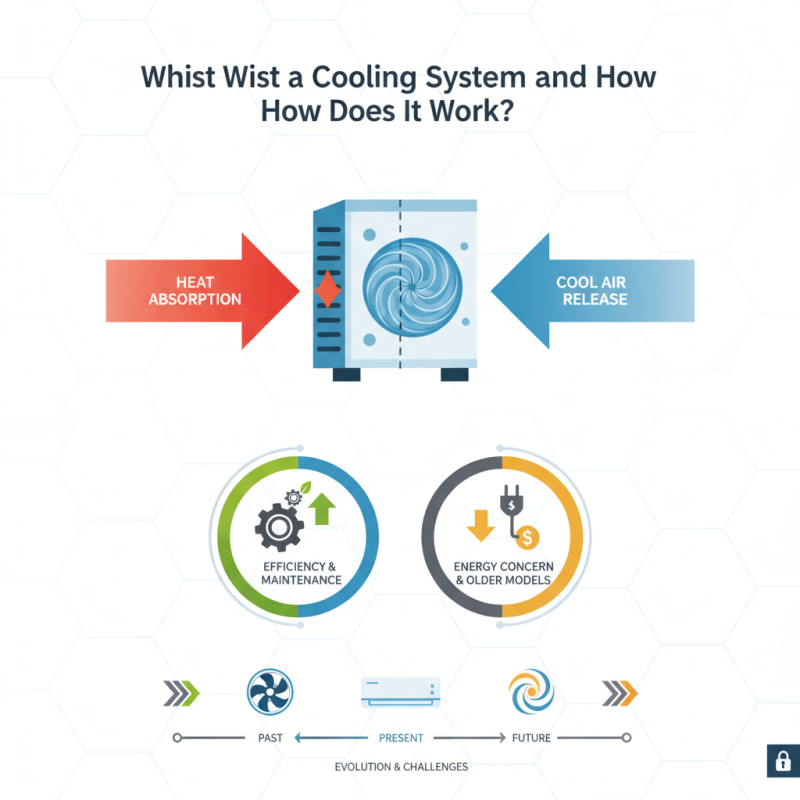
Understanding how these systems function can enhance our interaction with them. Most cooling systems rely on the principles of thermodynamics. They absorb excess heat and release cool air. However, not all systems work perfectly. Maintenance can sometimes be overlooked, leading to inefficiencies.

The evolution of cooling technology is impressive, but challenges remain. Energy consumption is a concern for many users. Older models may not meet today's efficiency standards. Reflecting on these issues can lead to better choices in cooling solutions.
What is a Cooling System and How Does It Work?

What is a Cooling System? Definition and Overview

What is a Cooling System and How Does It Work?

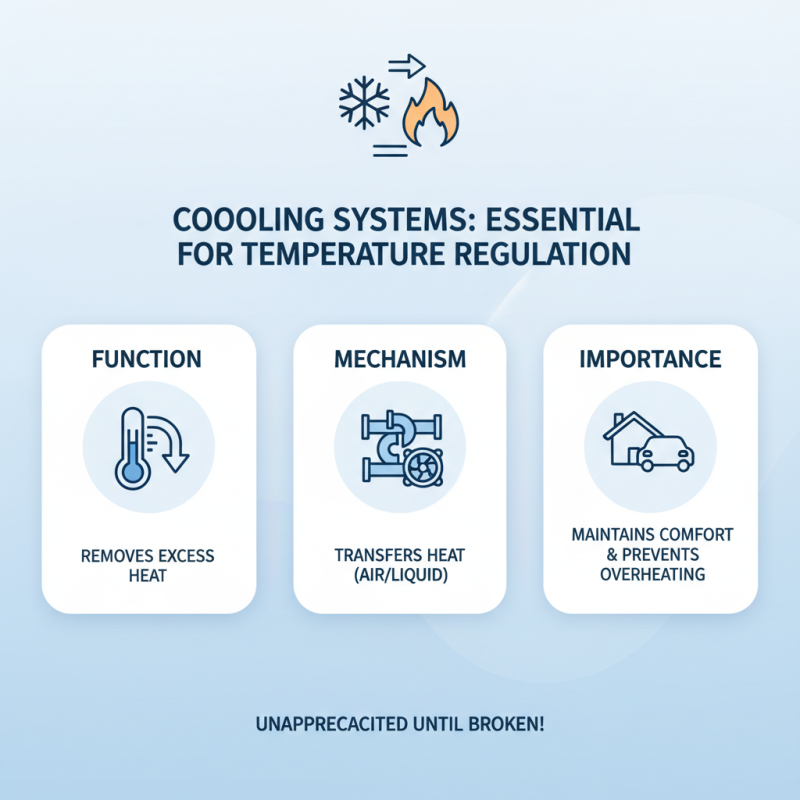
A cooling system is a vital component in various settings, from homes to vehicles. Essentially, it regulates temperature by removing excess heat. This helps maintain comfortable conditions in hot environments. Many people often take it for granted until it stops working. The system operates by transferring heat from one area to another, using different methods like air or liquid.

The primary function centers around components that absorb heat. Refrigerants play a crucial role. They circulate through coils and change state, effectively drawing heat out. Fans or pumps then distribute the cool air or fluid, creating a balanced environment. However, issues can arise if components malfunction. Regular maintenance is often overlooked. People might forget to clean filters or check fluid levels. This can lead to inefficiency, higher energy costs, and potential breakdowns.

Understanding this system's basic mechanics is essential. It’s not just about comfort; it affects equipment lifespan too. If left unchecked, poor performance leads to system failure. Striking a balance between comfort and efficiency requires awareness and action. Ignoring the signs can cost time and money.

Types of Cooling Systems: Active vs. Passive Cooling Methods

What is a Cooling System and How Does It Work?

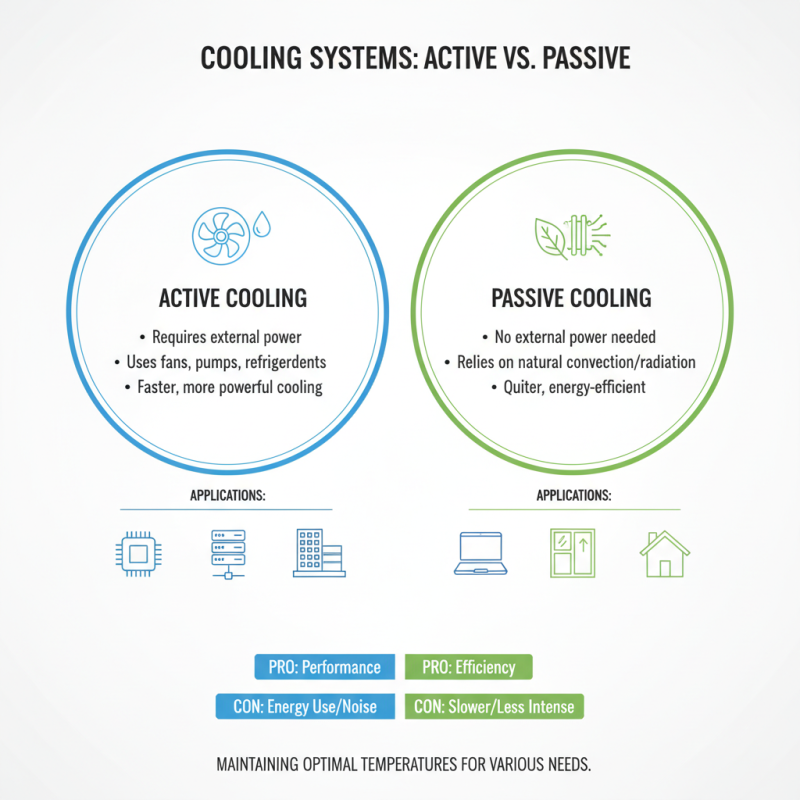
Cooling systems are essential in various applications, from computers to buildings. They help maintain an optimal temperature. There are two main types of cooling methods: active and passive. Each has its unique benefits and limitations.

Active cooling systems, like fans and compressors, use energy to regulate temperature. They can be very effective but often consume more power. On the other hand, passive cooling relies on natural processes. It uses design elements such as ventilation, insulation, and shading. This method is less energy-intensive. However, it might not always provide enough cooling in extreme heat.

When choosing a cooling method, consider the environment. Sometimes, a combination of both active and passive systems works best. For instance, using passive design features can reduce energy use. Then, implement active cooling when necessary.

Tip: Regularly check your cooling systems. Over time, dust and debris can hinder performance. Simple maintenance can prolong their life and efficiency. Always prioritize a mixture of methods for long-term savings.

Key Components of a Cooling System and Their Functions

A cooling system is essential for maintaining optimal temperatures in various applications. It generally consists of components that work together to dissipate heat. Understanding these parts helps us appreciate their functions.

The heart of a cooling system is the compressor. It compresses refrigerant gas, increasing its pressure and temperature. Next, the condenser cools the gas, turning it into a liquid. This process involves heat transfer, which can sometimes be inefficient. The expansion valve follows, controlling the flow of refrigerant. It can lead to pressure drops, creating potential issues if not monitored.

In addition, the evaporator helps absorb heat from the environment. It transforms the refrigerant back into a gas. This stage is crucial, yet if the system is undercharged, it may not work effectively. Each component has its role, but they all must function optimally together. When one part fails, the entire system struggles to perform its job.

How Cooling Systems Manage Heat: The Science Behind Heat Transfer

Cooling systems play a crucial role in managing heat across various industries. Understanding how these systems work involves exploring the science of heat transfer. Heat naturally moves from warmer to cooler areas. This principle underpins cooling technologies. Effective heat management can directly impact efficiency and performance in multiple applications.

For instance, the conduction process allows heat to transfer through materials. Studies show that proper material selection can enhance thermal conductivity. A report by the American Society of Heating, Refrigerating and Air-Conditioning Engineers indicates that optimizing these components can improve efficiency by up to 20%. This data emphasizes the importance of material choice in design.

Tips: Regular maintenance of cooling systems is vital. Check for leaks and ensure the system is clean. Even minor issues can lead to significant performance drops. Monitoring temperature is also essential. If temperatures rise unexpectedly, it may indicate a problem. Take action before it escalates.

Another aspect is convection, where heat is transported by fluid movement. Fans or pumps are often used to facilitate this process. While effective, these systems can consume a lot of energy. Evaluating energy usage is necessary. Reducing energy consumption can lead to cost savings, fostering more sustainable practices in cooling system management.

Performance Metrics of Cooling Systems: Efficiency Ratings and Standards

When examining cooling systems, performance metrics play a vital role in determining their efficiency. Efficiency ratings provide insight into how well a system operates. The Seasonal Energy Efficiency Ratio (SEER) is a common standard for air conditioning systems. Systems with higher SEER ratings generally consume less energy while providing adequate cooling. A report by the U.S. Department of Energy indicates that a system with a SEER rating of 15 uses about 20-30% less energy than one rated at 10.

Another critical metric is the Energy Efficiency Ratio (EER), which measures instant efficiency under specific conditions. EER values can reveal how a system performs during peak temperatures. Data shows that an EER of 12 or higher is considered excellent. However, many older units have EER ratings well below this, highlighting the importance of periodic assessments.

Tip: Regularly maintain your cooling system to ensure optimal efficiency. Simple tasks, like cleaning filters and checking refrigerant levels, can make a significant difference.

Additionally, consider the age of your cooling system. Many units lose efficiency over time. If your system is over ten years old, it might not meet current efficiency standards. It’s worth reflecting on whether upgrading would lead to better performance and lower energy costs.

Tip: Keep track of your energy bills. If you notice significant increases, it may indicate inefficiencies in your cooling system.