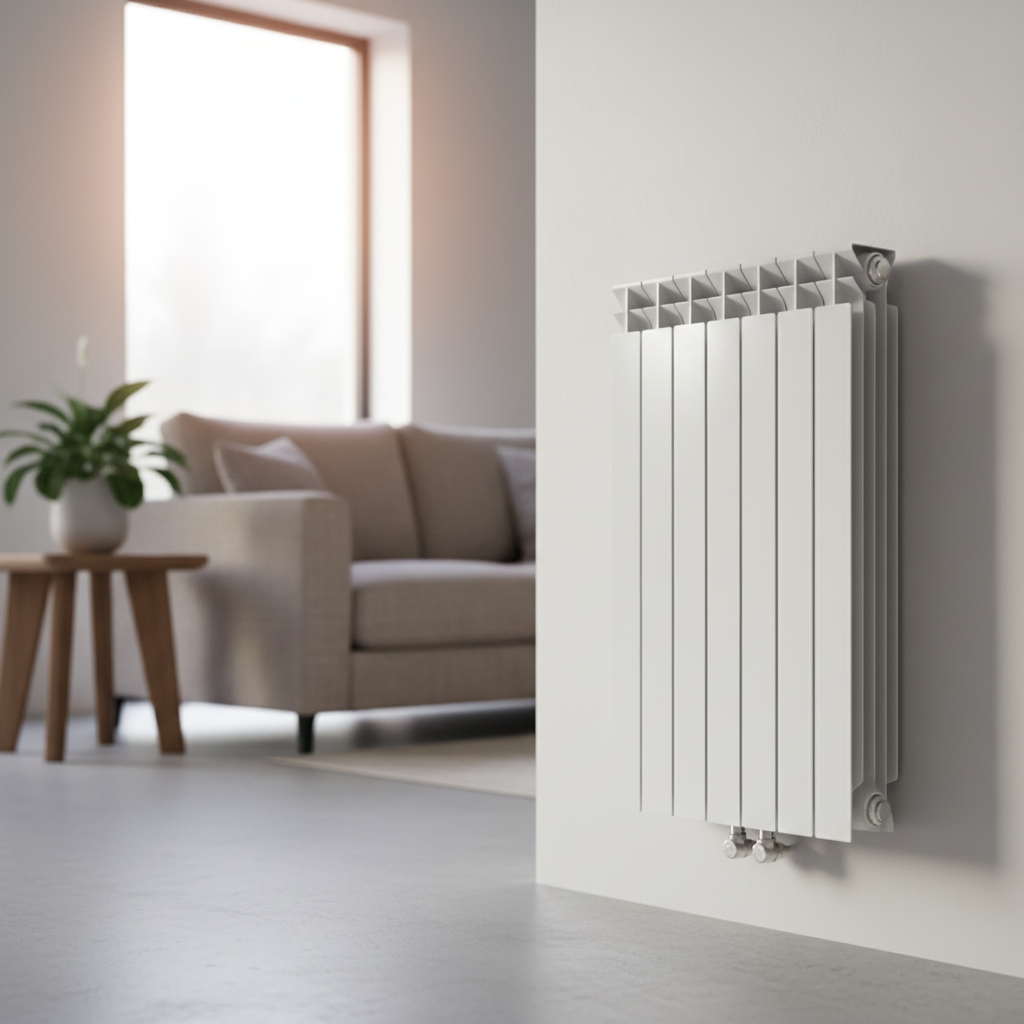
What is a Compact Heat Radiator and How Does It Work
In recent years, the demand for efficient heating solutions has propelled the development of innovative technologies, with the Compact Heat Radiator emerging as a noteworthy contender in this field. According to a report by the International Energy Agency, space heating accounts for approximately 30% of global energy consumption, underscoring the need for effective heating systems that minimize energy waste while providing optimal comfort. The Compact Heat Radiator, designed to enhance heat distribution and efficiency, has garnered attention due to its space-saving characteristics and advanced thermal management capabilities.
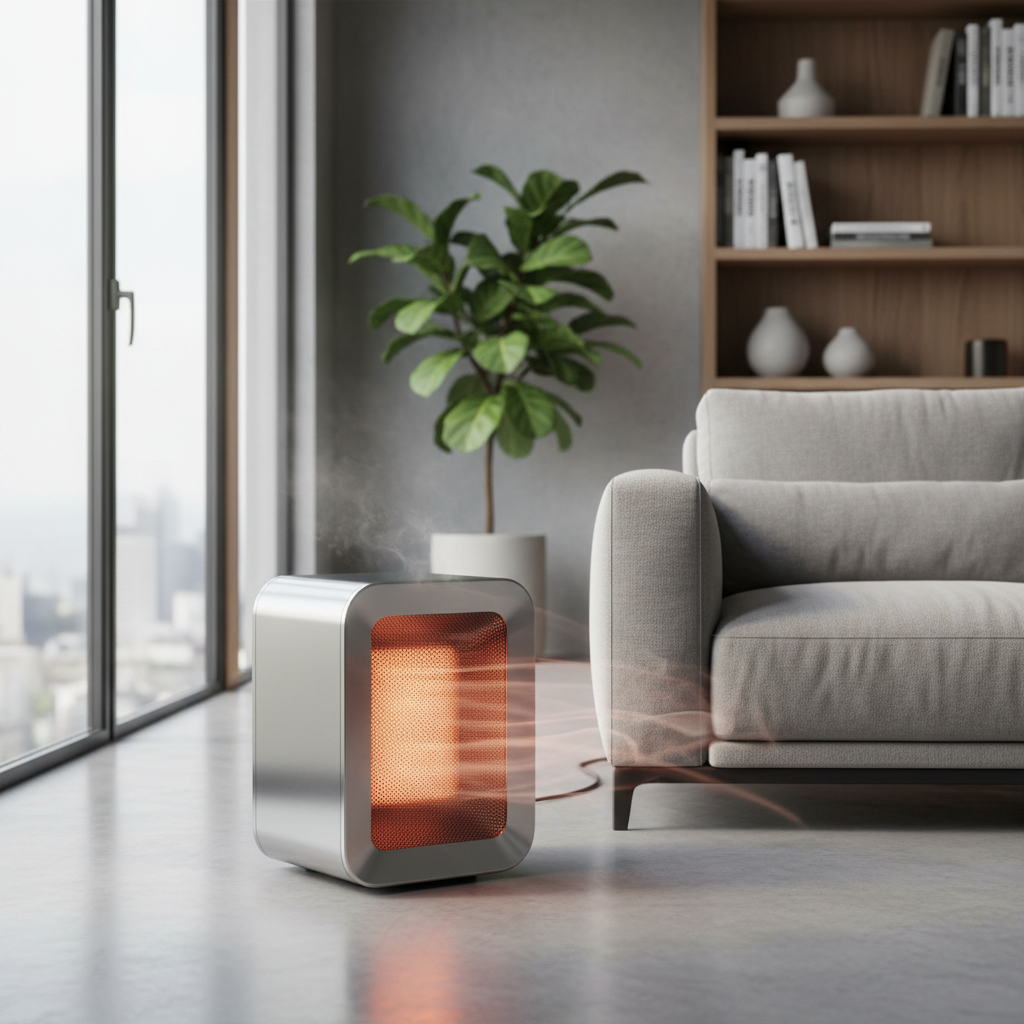
This cutting-edge device capitalizes on principles of convection and radiation, allowing it to deliver heat promptly while maintaining a compact form factor that is suitable for various applications, from residential to commercial settings. A study conducted by Market Research Future projects that the global market for compact heating solutions will experience a compound annual growth rate (CAGR) of 6%, reflecting an increasing preference for energy-efficient systems. The Compact Heat Radiator not only facilitates a reduction in energy costs but also aligns with sustainable practices by lowering carbon footprints—an essential consideration as industries pivot towards greener technologies and compliance with stringent environmental regulations.
Understanding the Fundamentals of Compact Heat Radiators in Modern Heating Systems
Compact heat radiators are a crucial component of modern heating systems, designed to efficiently transfer heat in a limited space. Unlike traditional radiators, which can be bulky and less efficient, compact radiators utilize advanced engineering to optimize heat distribution while maintaining a slim profile. This design not only makes them aesthetically pleasing but also allows for easy installation in various settings, from residential homes to commercial buildings.
The fundamentals of compact heat radiators lie in their ability to maximize surface area while minimizing volume. They achieve this through innovative materials and designs that enhance thermal conductivity, ensuring that heat is rapidly transferred to the surrounding air. Additionally, many compact radiators are equipped with features such as integrated thermostats and programmable settings, allowing for greater control over heating levels. This adaptability not only contributes to energy efficiency but also creates a comfortable living environment, making compact heat radiators an ideal choice for modern heating needs.
Key Components and Materials Used in the Design of Compact Heat Radiators
Compact heat radiators are innovative devices designed to efficiently dissipate heat in a compact form factor. The design relies on a combination of key components and materials that enhance their performance and durability. At the core of a compact heat radiator are heat pipes, which facilitate rapid heat transfer from the source to the radiator. These heat pipes are typically made from copper or aluminum due to their excellent thermal conductivity.
In addition to heat pipes, the use of advanced fins, often crafted from aluminum or specialized alloys, maximizes the surface area for heat dissipation. The arrangement and geometry of these fins play a crucial role in determining the efficiency of heat exchange. Another critical aspect involves insulation materials, such as ceramic or silicon-based compounds, which help to reduce heat loss and ensure that the heat is effectively radiated to the desired environment.
Tip: When selecting a compact heat radiator for your application, consider the thermal conductivity of the materials and the design of the fins, as these factors will significantly impact overall performance. Additionally, ensure that the radiator's size aligns with your available space without compromising efficiency.
Analyzing the Efficiency Ratings and Performance Metrics of Compact Heat Radiators
Compact heat radiators are designed to efficiently transfer heat in a smaller footprint, making them ideal for modern spaces. These innovative devices often utilize materials that enhance thermal conductivity, allowing them to generate and disperse heat quickly. When analyzing their efficiency ratings, it is important to consider the heat output relative to energy consumption. Look for units with higher British Thermal Units (BTUs) per watt to ensure optimal performance and reduced energy bills.
When selecting a compact heat radiator, pay attention to performance metrics such as temperature rise, response time, and heat distribution. A well-rated unit will not only heat a room quickly but also maintain a consistent temperature throughout the space.
Tips: Always check for user reviews and performance tests to find models that have been tried and tested in real-world applications. Additionally, consider the placement of the radiator for maximum heat efficiency, avoiding areas that may block airflow.
What is a Compact Heat Radiator and How Does It Work - Analyzing the Efficiency Ratings and Performance Metrics of Compact Heat Radiators
| Model |
Heating Capacity (BTU/hr) |
Efficiency Rating (AFUE) |
Dimensions (inches) |
Weight (lbs) |
| Model A |
20,000 |
95% |
24 x 12 x 20 |
30 |
| Model B |
15,000 |
90% |
22 x 10 x 18 |
25 |
| Model C |
30,000 |
92% |
26 x 14 x 22 |
38 |
| Model D |
18,000 |
88% |
20 x 8 x 16 |
22 |
Comparative Study of Compact Heat Radiators Versus Traditional Heating Solutions
Compact heat radiators represent a modern advancement in heating technology, often outpacing traditional heating solutions in efficiency and design. Traditional radiators typically rely on large volumes of water or steam to distribute heat, resulting in slower response times and potential energy waste. In contrast, compact heat radiators utilize cutting-edge materials and innovative designs that allow for rapid heat dispersion, making them particularly suitable for small spaces or environments where quick temperature adjustments are necessary.
When comparing compact heat radiators to traditional systems, one significant advantage is their energy efficiency. Compact radiators often operate at lower temperatures, consuming less energy while still providing effective heating. This is especially beneficial in residential settings where the need for constant temperature regulation can lead to higher energy bills. Additionally, the sleek and modern design of compact radiators often allows them to serve as aesthetic elements in a room, integrating seamlessly into contemporary home decor, unlike the bulky traditional radiators which can disrupt the visual flow of a space. Overall, compact heat radiators offer a practical and efficient alternative to conventional heating systems, appealing to both energy-conscious consumers and design-oriented homeowners.
Applications and Industry Trends Impacting the Use of Compact Heat Radiators Today
The applications and industry trends impacting the use of compact heat radiators today are closely tied to evolving consumer preferences and advancements in heating technology. In North America, the residential hydronic radiators market is witnessing growth, with a valuation projected to increase from USD 111.88 million in 2024 to USD 117.96 million shortly after. This growth is indicative of a broader trend where consumers are increasingly opting for energy-efficient heating solutions that not only maximize comfort but also minimize environmental impact.
Furthermore, the rising adoption of thermostatic radiator valves and hydronic underfloor heating systems further demonstrates the shift towards more efficient heating technologies. The thermostatic radiator valves market is expected to reach USD 449.4 million with a CAGR of 4.3%, while the hydronic underfloor heating market is predicted to hit USD 8.4 billion by 2035, showcasing a robust CAGR of 6.0%. These trends suggest a growing demand for systems that provide precise temperature control and enhanced energy efficiency, making compact heat radiators an integral part of modern heating solutions in both residential and commercial sectors.