How to Choose the Right Transmission Oil Cooler for Your Vehicle
When it comes to maintaining the performance and longevity of your vehicle, one crucial component to consider is the Transmission Oil Cooler. This part plays a vital role in regulating the temperature of the transmission fluid, which can significantly affect the efficiency and reliability of your vehicle's transmission system. Choosing the right Transmission Oil Cooler is essential for ensuring optimal functioning and preventing overheating, which can lead to costly repairs or even irreversible damage.
In this guide, we will explore important factors to consider when selecting a Transmission Oil Cooler for your vehicle. From understanding the specifications of different coolers to evaluating your vehicle’s specific needs, making an informed choice can enhance your driving experience and protect the investment you've made in your vehicle. Whether you are a car enthusiast looking to upgrade or a daily driver aiming for better performance, knowing how to choose the right Transmission Oil Cooler will equip you with the insights you need for a successful upgrade or replacement.
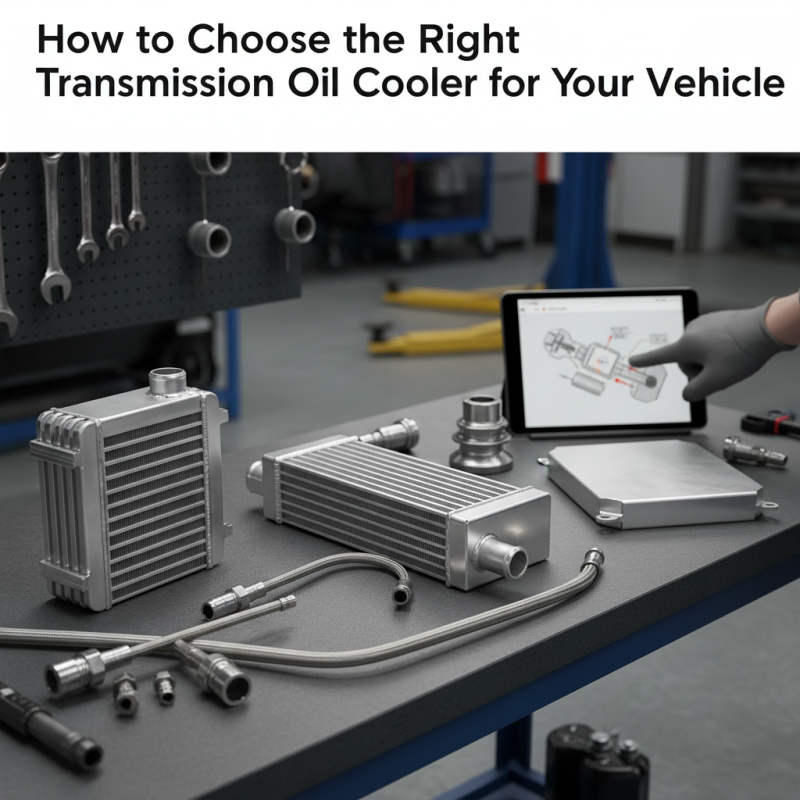
Understanding the Function of Transmission Oil Coolers in Vehicles
The transmission oil cooler plays a crucial role in maintaining the overall health and efficiency of a vehicle's transmission system. By regulating the temperature of the transmission fluid, these coolers prevent overheating, which can lead to decreased performance and potential damage. A well-functioning transmission is essential for smooth shifting and optimal power transfer, making the oil cooler an integral component of the vehicle's operation.
When considering a transmission oil cooler for your vehicle, pay attention to its capacity and construction. The size and design should match your vehicle's specific needs, taking into account factors such as towing requirements and driving conditions. Proper airflow and material quality directly influence the cooler's efficiency and longevity.
**Tips**: Regularly check your transmission fluid level and color as part of your maintenance routine. If the fluid appears burnt or dark, it may be time to evaluate your transmission cooling system. Additionally, consider having a professional inspection, especially if you drive in severe conditions, such as frequent towing or in hot climates. A proactive approach can extend the life of both the transmission and the oil cooler.
Transmission Oil Cooler Efficiency Comparison
This bar chart illustrates the cooling efficiency of different types of transmission oil coolers based on temperature reduction capabilities. Efficient cooling is essential for maintaining optimal transmission performance and longevity.
Types of Transmission Oil Coolers and Their Applications
When selecting a transmission oil cooler for your vehicle, it’s essential to understand the different types available and their respective applications. There are primarily two types of transmission oil coolers: air-cooled and liquid-cooled. Air-cooled transmission coolers utilize airflow to dissipate heat, making them a popular choice for standard vehicles and light trucks. In contrast, liquid-cooled coolers are typically integrated into the vehicle's radiator, offering a more efficient cooling method for high-performance or heavy-duty applications. According to industry studies, air-cooled systems can reduce transmission temperatures by approximately 15-25°F, while liquid-cooled options can achieve even lower temperatures.
When considering which transmission oil cooler to purchase, it’s crucial to assess your driving habits and the demands of your vehicle. If you frequently tow heavy loads or drive in extreme conditions, a high-capacity liquid-cooled unit would be beneficial. Conversely, for everyday driving in moderate conditions, an air-cooled unit might suffice. Remember to also check the compatibility with your vehicle’s make and model, as improper fit can lead to performance issues.
Tips: Ensure proper airflow around the cooler, as blocked or restricted airflow can lead to overheating, negating the cooler's benefits. Additionally, consider using a temperature gauge to monitor transmission fluid temperatures and determine when upgrades may be necessary for your vehicle's performance and longevity. Regular maintenance and fluid changes are also crucial to keeping your transmission in optimal condition.
How to Choose the Right Transmission Oil Cooler for Your Vehicle
| Type of Transmission Oil Cooler |
Description |
Applications |
Benefits |
| Air-to-Oil Coolers |
Utilizes air flow to cool transmission fluid. |
Street vehicles, daily drivers. |
Efficient cooling, easy installation, cost-effective. |
| Liquid-to-Liquid Coolers |
Uses engine coolant to transfer heat away from transmission fluid. |
Heavy-duty trucks, high-performance vehicles. |
Superior cooling efficiency, maintains optimal temperatures. |
| Standalone Coolers |
Standalone unit that can be added to any vehicle. |
Racing, off-road vehicles, modified cars. |
Enhanced durability, increased fluid capacity, performance improvements. |
| Integrated Coolers |
Built into the radiator, cooling both the engine and transmission fluids. |
Factory vehicles, standard applications. |
Space-saving design, reduces the number of components. |
Key Factors to Consider When Selecting a Transmission Oil Cooler
When selecting a transmission oil cooler for your vehicle, several key factors must be considered to ensure optimal performance and longevity of your transmission system. Firstly, understanding the thermal dynamics is essential. Transmission fluid can reach temperatures between 175°F to 250°F during normal operation. According to a simulation study published by the American Society of Mechanical Engineers (ASME), maintaining the fluid temperature below 200°F can significantly extend the life of the transmission. Therefore, selecting an oil cooler that can efficiently dissipate heat under varying loads is crucial.
Another important aspect is the cooler's size and capacity. A larger cooler may provide better cooling performance, but it must also fit within the available space in your vehicle. The Society of Automotive Engineers (SAE) recommends matching the cooler size to the specific application and vehicle capabilities, indicating that an oversized cooler can lead to sluggish transmission response. Additionally, compatibility with the existing transmission line sizes and fittings must be ensured to avoid leaks and maintain system integrity. Proper sizing and installation will help extend the lifespan of both the cooler and the transmission, highlighting the importance of meticulous planning in the selection process.
How to Properly Install and Maintain Your Chosen Transmission Oil Cooler
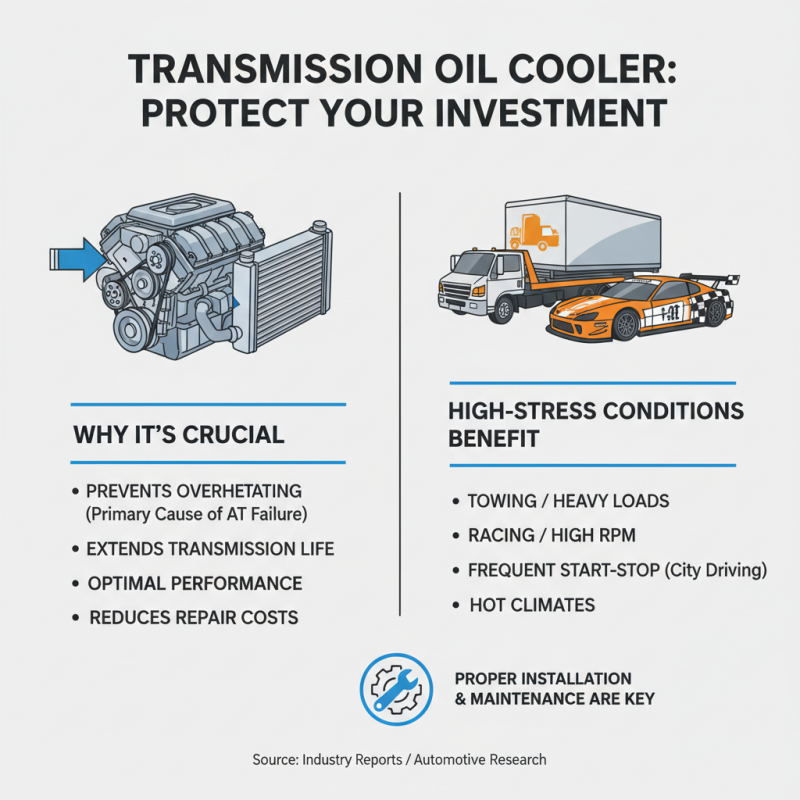
Proper installation and maintenance of a transmission oil cooler are crucial for ensuring the optimal performance and longevity of your vehicle's transmission system. Research indicates that a significant percentage of automatic transmission failures can be traced back to overheating, which is where a properly functioning oil cooler comes into play. According to industry reports, vehicles operating in high-stress conditions, such as towing or racing, can benefit substantially from enhanced cooling systems, reducing the risk of thermal fatigue significantly.
When installing your transmission oil cooler, it is essential to ensure that the cooler is appropriately sized for your vehicle's specifications. Studies reveal that mismatched cooler sizes can lead to inefficient heat dissipation, which may exacerbate transmission wear. Installation should be done following the manufacturer's recommendations, ensuring secure mounting and proper alignment of hoses to prevent leaks. Additionally, it’s advisable to inspect the system regularly for any signs of wear, checking for hose integrity, clamp security, and signs of fluid discoloration. Adhering to a scheduled maintenance routine can prolong the life of both the cooler and the transmission system, highlighting the importance of diligence in your vehicle care.
Common Mistakes to Avoid When Choosing Transmission Oil Coolers
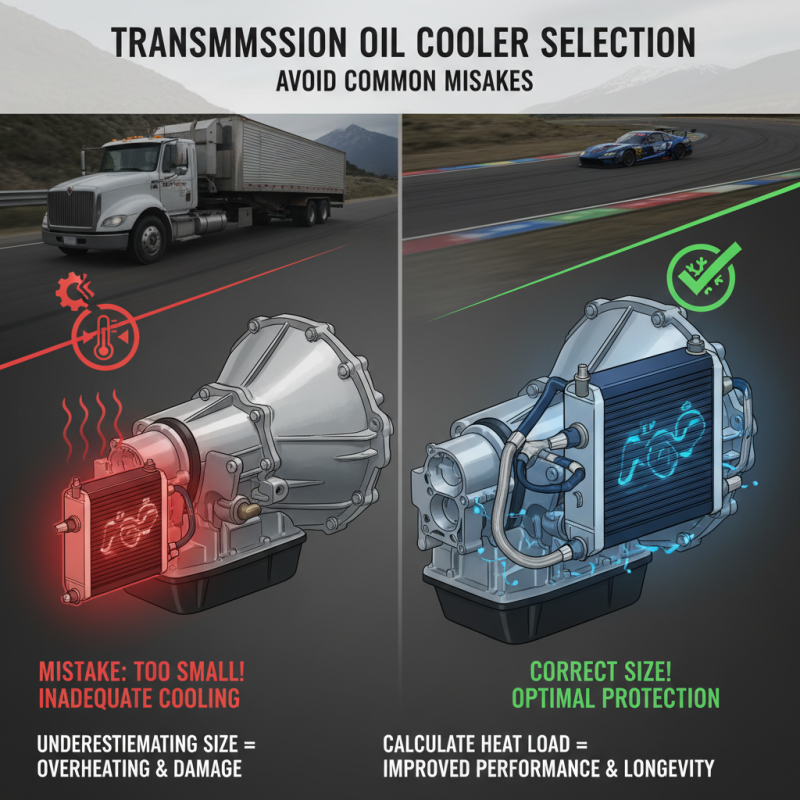
When selecting a transmission oil cooler for your vehicle, avoiding common mistakes can make a significant difference in performance and longevity. One frequent error is underestimating the size of the cooler required. Many vehicle owners fail to consider the increased heat generated by high-performance driving or towing heavy loads. Choosing a cooler that is too small can lead to inadequate cooling and ultimately damage the transmission. It’s essential to calculate the heat load and select a cooler that can handle your vehicle's specific needs to ensure optimal operation.
Another common pitfall is neglecting to consider the installation location and compatibility with existing systems. Some may overlook the fact that certain coolers may not fit well with their vehicle’s design, resulting in extended installation times or the need for additional modifications. This can cause frustration and increased costs. Additionally, using a cooler with incorrect plumbing can lead to leaks and ineffective cooling. To avoid these issues, it’s crucial to research thoroughly and, if possible, consult with a professional to confirm that the cooler you are considering matches your vehicle’s specifications and intended use. Proper planning can help you make a more informed choice, ensuring reliability and efficiency.