How to Choose the Right Copper Radiator for Your Vehicle's Cooling Needs
In the realm of automotive cooling systems, the choice of a Copper Radiator is pivotal for ensuring optimal engine performance and longevity. According to a recent industry report by the Automotive Cooling Systems Association (ACSA), vehicles equipped with high-efficiency copper radiators demonstrate improved thermal conductivity and heat dissipation, subsequently enhancing the overall cooling system efficiency by approximately 15% compared to alternatives. This statistic underscores the importance of selecting the right radiator material, especially given the rising temperatures and demands placed on modern engines.
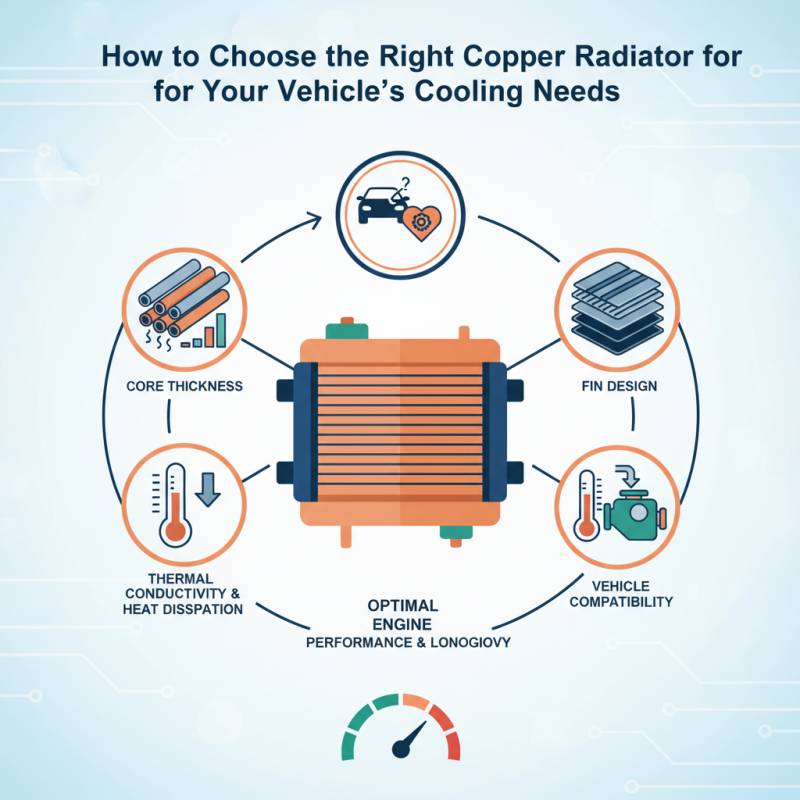
Dr. Emily Carter, a renowned expert in automotive engineering, emphasizes the significance of this choice, stating, “The right Copper Radiator not only mitigates overheating issues but also plays a crucial role in prolonging the life of the engine components.” As professionals in the automotive industry strive to optimize vehicle performance, understanding the various factors involved in selecting a Copper Radiator—including core thickness, fin design, and compatibility with the vehicle model—becomes essential for meeting cooling needs efficiently.
Thus, the decision to invest in a high-quality Copper Radiator can significantly impact vehicle reliability and performance. In a marketplace where technology and efficiency are continuously evolving, understanding these key elements will empower vehicle owners and mechanics alike to make informed choices tailored to their cooling requirements.
Understanding the Basics of Copper Radiators in Vehicle Cooling Systems
Copper radiators have long been essential components in vehicle cooling systems, known for their excellent thermal conductivity and durability. Their ability to effectively transfer heat away from the engine allows for optimal operating temperatures, preventing overheating and maintaining engine performance. Understanding the basics of how these radiators function is crucial for any vehicle owner looking to optimize their cooling needs.
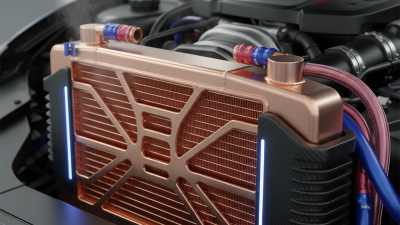
The design of a copper radiator involves a network of fins and tubes that increase surface area, promoting efficient heat dissipation as coolant circulates through them.
In addition to their heat-transfer capabilities, copper radiators offer significant benefits in terms of repairability and longevity. Unlike some modern alternatives, copper can be easily soldered, making repairs feasible and cost-effective when leaks occur. This durability is particularly important in high-performance or older vehicles where cooling demands can be stringent. Furthermore, copper’s resistance to corrosion, when properly maintained, enhances its reliability over time.
Understanding these foundational aspects will empower vehicle owners to make informed decisions when selecting the right copper radiator to meet their vehicle's specific cooling requirements.
Assessing Your Vehicle's Cooling Requirements and Limitations
When choosing the right copper radiator for your vehicle, it's crucial to first assess its cooling requirements and limitations. The engine size, type, and intended usage significantly influence your vehicle's cooling needs. For example, larger engines typically generate more heat, necessitating a radiator with a higher cooling capacity. According to industry reports, vehicles used for heavy-duty applications, such as towing or racing, often require radiators with increased flow rates and larger surface areas to effectively dissipate heat.
In addition to engine specs, consider the ambient environment where you'll be driving. High temperatures can exacerbate cooling challenges, so an efficient radiator design is essential. A study by the Society of Automotive Engineers indicates that vehicles operating in hotter climates may benefit from radiators that feature enhanced cooling fin designs to improve air circulation and heat dissipation.
**Tips:**
1. Prior to purchase, consult your vehicle's manufacturer recommendations to determine the optimal radiator size and cooling capacity.
2. Always factor in any modifications made to your vehicle, such as increased horsepower or altered gearing, which may also affect cooling demands.
3. Lastly, review customer feedback about the installation and performance of radiators to ensure you choose a product that meets or exceeds standard industry expectations.
Comparing Copper Radiators with Other Materials for Efficiency
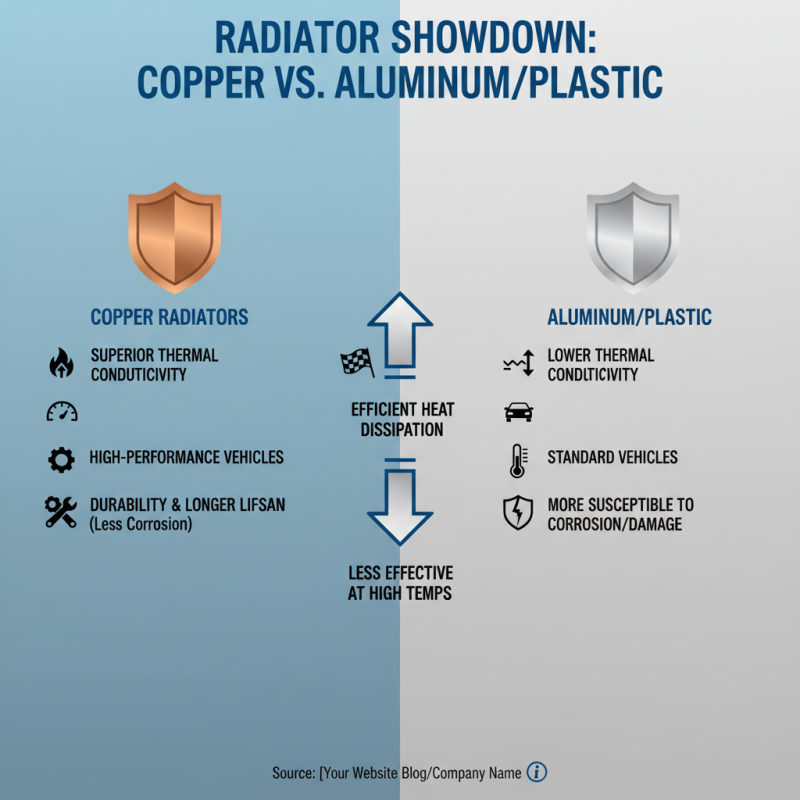
When selecting a copper radiator for your vehicle, it’s essential to understand how it compares to radiators made from other materials, such as aluminum and plastic. Copper radiators are renowned for their superior thermal conductivity, allowing for efficient heat dissipation. This means that they can effectively manage higher temperatures, making them an excellent choice for high-performance or modified vehicles. Their durability also contributes to a longer lifespan, as copper is less susceptible to corrosion and damage compared to alternative materials.
Aluminum radiators, on the other hand, are lighter and often more affordable, making them a popular choice for many everyday vehicles. While they offer good thermal conductivity, they may not match the efficiency of copper radiators in extreme conditions. Additionally, aluminum radiators might require more frequent maintenance due to potential corrosion issues. Understanding these differences can help vehicle owners decide which type of radiator best meets their cooling needs, especially when performance and longevity are critical factors in their decision-making process.
Key Features to Look for in a High-Quality Copper Radiator
When selecting a high-quality copper radiator for your vehicle, it is crucial to consider several key features that ensure optimal cooling performance. First, pay attention to the thickness of the radiator. A thicker radiator generally offers better heat dissipation, allowing for more efficient cooling, especially in high-demand conditions such as towing or heavy traffic. Additionally, the core design and the number of fins per inch can significantly influence the radiator's ability to transfer heat. More fins typically mean increased surface area, which enhances cooling efficiency.
Another important aspect to examine is the soldering quality of the seams and joints. High-quality copper radiators are often soldered using robust techniques that can withstand thermal expansion and contraction. Look for units that have undergone rigorous testing to ensure they can handle the stresses of continuous use without developing leaks.
Furthermore, consider the mounting points and compatibility with your vehicle. A well-designed radiator will feature secure mounting configurations that allow for hassle-free installation, ensuring a snug fit that maintains optimal performance. Taking the time to evaluate these features will help you make an informed decision and ensure your vehicle remains cool under all driving conditions.
Installation Tips and Maintenance for Optimal Radiator Performance
Installing a copper radiator correctly is essential for ensuring optimal performance and longevity. Begin by carefully removing the old radiator while taking note of how it's mounted and connected. This will help you replicate the setup when installing the new unit. Before installation, inspect all hoses and fittings for wear or damage, replacing them as necessary to prevent leaks. Make sure to align the new radiator properly with the mounting brackets and secure it firmly. Additionally, check that all connections, including those for coolant and transmission lines if applicable, are tight to avoid any potential failures.
Maintenance of your copper radiator is equally vital to its performance. Regularly checking coolant levels and inspecting for leaks can help catch issues early. It's advisable to flush the radiator periodically to remove any sediment or debris that can hinder flow, usually every two years or as recommended by your vehicle's manual. Additionally, monitor the condition of the radiator fins and core for any physical damage, and ensure that the front grille is clear from obstructions that might impede airflow. Keeping an eye on these elements will help maintain the efficiency of your cooling system and extend the life of your copper radiator.