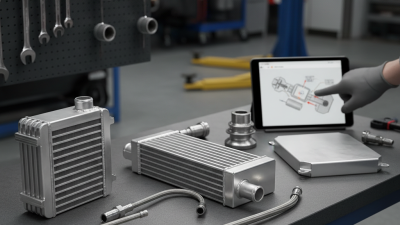
When it comes to enhancing the performance and longevity of your vehicle, selecting the right oil cooler is critical. An oil cooler helps regulate the temperature of engine oil, ensuring optimal performance even under demanding conditions. As automotive expert John Smith highlights, "A properly chosen oil cooler can significantly improve engine efficiency and extend its lifespan." With a variety of options available on the market, it can be overwhelming for car enthusiasts and everyday drivers alike to determine which oil cooler is best suited for their vehicle.
Understanding your vehicle's specific needs, driving style, and the conditions in which you operate it plays a vital role in making this decision. From assessing the size and capacity of the cooler to considering factors such as airflow and mounting options, each element contributes to the ultimate effectiveness of your oil cooler. In this article, we will explore the important aspects to consider when choosing an oil cooler, ensuring that you are well-equipped to make an informed choice that leads to improved engine performance and reliability.
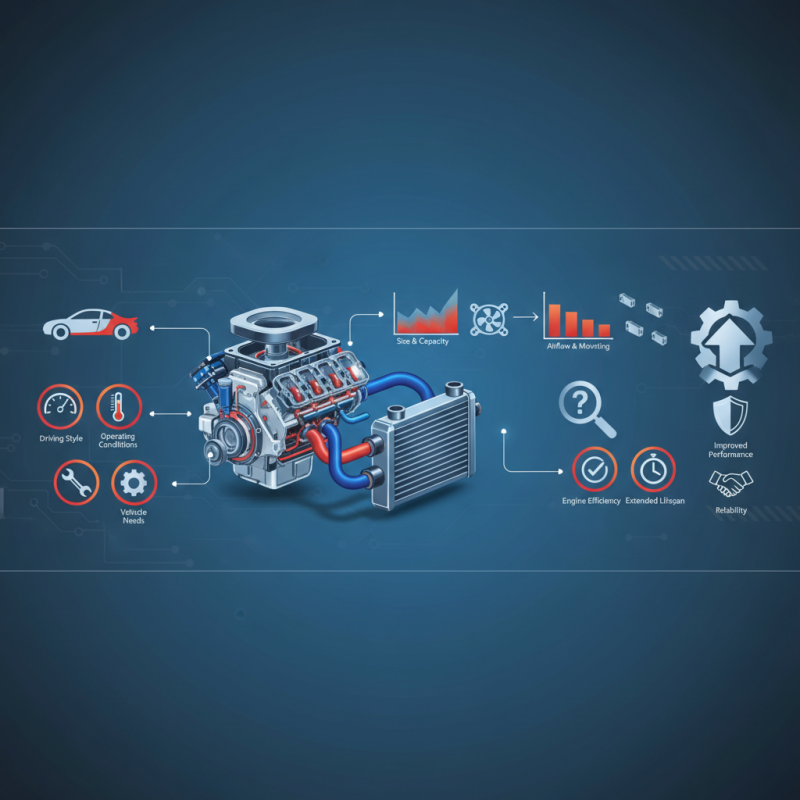
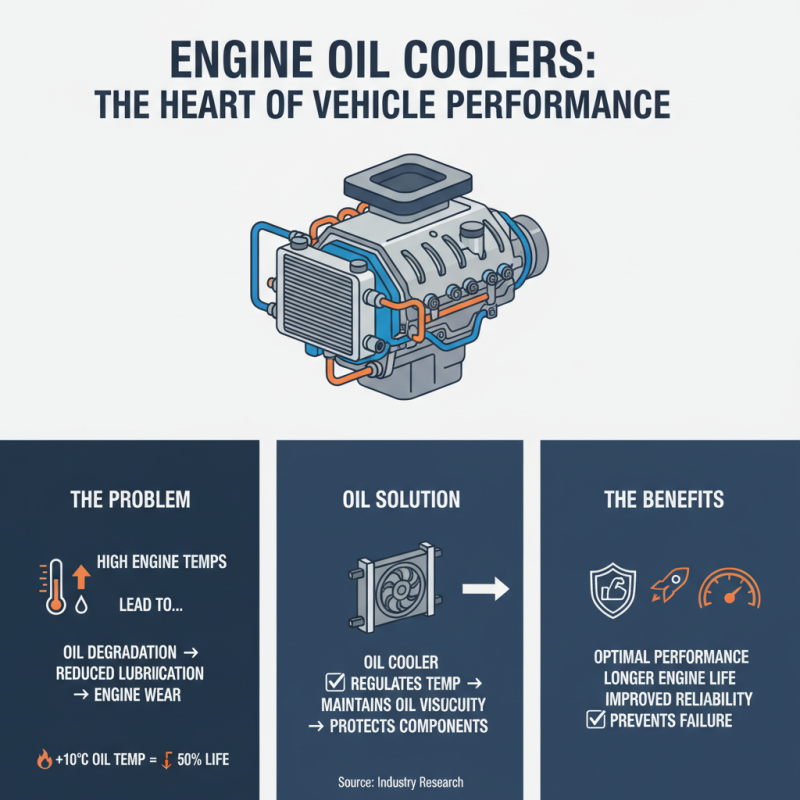
Oil coolers play a critical role in maintaining optimal vehicle performance by regulating engine oil temperature. Engine oil is essential for lubricating moving parts, reducing friction, and preventing wear. However, as engine temperatures rise, oil can break down, losing its ability to protect vital engine components. According to industry research, elevated oil temperatures can lead to diminished effectiveness of lubrication, potentially resulting in engine failure. Specifically, studies indicate that for every 10°C increase in oil temperature, the lifespan of the oil can be reduced by as much as 50%.
When selecting the right oil cooler, it’s essential to consider factors such as vehicle type, engine specifications, and driving conditions. A larger or more efficient cooler can help to maintain a lower operating temperature, especially in performance applications or towing scenarios where the engine works harder.
**Tips:** Choose an oil cooler designed specifically for your vehicle's needs; for high-performance applications, an air-to-oil cooler may be more effective. Regularly check oil temperatures during operation to identify potential cooling issues, addressing them before they lead to significant problems. Lastly, consult with your vehicle's manufacturer guidelines or a professional mechanic to select an appropriate oil cooler that suits your driving habits.

When choosing an oil cooler for your vehicle, understanding the differences between air-cooled and liquid-cooled options is crucial. Air-cooled oil coolers rely on airflow to dissipate heat from the oil, typically featuring a series of fins and tubes to maximize surface area. These coolers are generally simpler in design and installation, making them popular for various applications, especially in racing or off-road vehicles where weight reduction is a priority. However, their efficiency can be heavily influenced by vehicle speed and ambient temperature, which may limit their effectiveness in certain conditions.
On the other hand, liquid-cooled oil coolers use a fluid medium, usually coolant from the radiator, to absorb heat from the engine oil. This type is often more efficient at maintaining optimal oil temperatures across a wider range of operating conditions, making it ideal for heavy-duty or performance-oriented applications. Liquid-cooled options can provide better thermal management in stop-and-go traffic or during prolonged periods of high-load driving. However, they can be more complex to install and require additional plumbing and maintenance, which is an important consideration for vehicle owners deciding on the best oil cooling solution for their needs.
When selecting an oil cooler for your vehicle, several key factors must be taken into account to ensure optimal performance and longevity. First and foremost, consider the vehicle type and its specific cooling needs. Different engines have varying thermal requirements based on their design, size, and application. For instance, high-performance engines or those used in heavy towing scenarios will generate more heat and, therefore, require more efficient cooling solutions. Understanding your vehicle’s specifications and intended use helps in choosing a cooler that can handle those demands effectively.
Another essential factor is the cooler's size and mounting options. A cooler that is too large may obstruct airflow or interfere with other components, while one that is too small may struggle to dissipate sufficient heat. It’s crucial to find a balance that fits well within your vehicle’s layout. Additionally, consider the type of oil being used, as different oils have varying thermal properties. The cooler's design and materials also influence its effectiveness; look for coolers that offer adequate surface area and efficient airflow management. Proper installation and integration with the vehicle's cooling system are equally important, as this directly impacts the cooler's efficiency in regulating oil temperatures.
When choosing the right oil cooler for your vehicle, understanding compatibility with your vehicle’s specifications is essential. Each vehicle is designed with specific parameters in mind, including the engine size, horsepower, and cooling requirements. Before selecting an oil cooler, it's crucial to verify that the cooler matches your vehicle’s oil capacity and flow rate. An improperly matched cooler can lead to inefficiencies, overheating, or even engine damage.
Additionally, consider the mounting options and available space in your vehicle. Some oil coolers are designed for compact spaces, while others may require more extensive installations. Check the cooler's dimensions and configuration against your vehicle’s layout to ensure that it can be fitted without obstruction. Moreover, factor in the type of driving conditions you typically encounter; vehicles that are subjected to heavy towing or racing may require a more robust oil cooler compared to those meant for casual driving.
By taking these specifications into account, you can enhance your vehicle’s performance and longevity effectively.
When it comes to installing an oil cooler, ensuring optimal performance involves several key maintenance tips. First, always check for any leaks after installation. Leaks can not only affect the efficiency of the cooler but can also lead to serious engine damage if the oil levels drop too low. Use appropriate seals and ensure all connections are tightened according to the manufacturer’s specifications.
Another important tip is to keep the oil cooler clean. Dirt and debris can accumulate on the cooler's surfaces, impeding airflow and reducing cooling efficiency. Regularly inspect the cooler and clean it with a soft brush or compressed air to eliminate any buildup. This simple maintenance step can extend the lifespan of the cooler and maintain its performance.
Lastly, monitor the engine oil temperature regularly. An oil temperature gauge can provide invaluable information about your engine's operating conditions. If the temperature exceeds the normal range, it could be indicative of issues with the cooler or the oil being used. Keeping an eye on the temperature can help you catch potential problems early and ensure that your oil cooler is performing at its best.
| Dimension | Specification | Recommended Values |
|---|---|---|
| Cooling Capacity | Measured in BTU/h | 10000 - 20000 BTU/h |
| Material | Construction Material | Aluminum or Copper |
| Core Size | Dimensions of the cooler core | 10x5x3 inches |
| Fluid Type | Type of oil used in the vehicle | Synthetic or Conventional |
| Mounting Style | How the cooler is mounted | Front-mount or remote-mount |
| Installation Difficulty | Skill level required for installation | Moderate |
| Maintenance Frequency | How often maintenance is required | Every 6 months |
| Price Range | Cost of the oil cooler | $150 - $500 |