How to Choose the Right Heat Exchanger Tube for Your System?
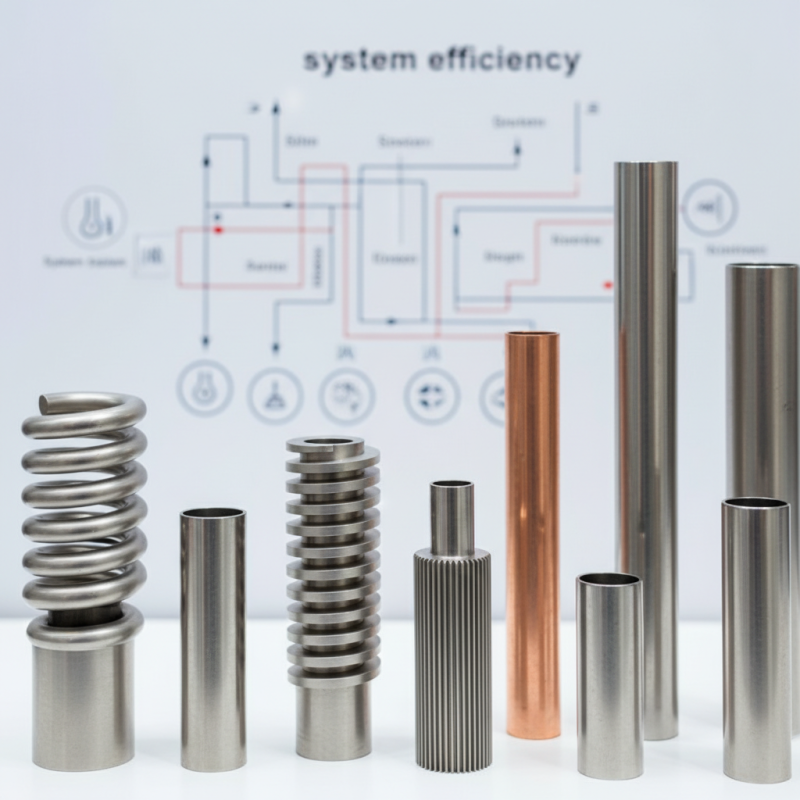
Choosing the right Heat Exchanger Tube is crucial for the efficiency of your system. The wrong selection can lead to operational issues and increased costs. Many factors play a role in this decision-making process, including material, geometry, and application.
Understanding these factors helps narrow down your options. For instance, not all materials perform equally in different environments. Some tubes may corrode quickly under certain conditions. Evaluating past performance and industry standards can guide your choice.
Many struggle with the complexity of these decisions. The abundance of options can be overwhelming. Reflecting on prior experiences can clarify what works best for your needs. Trust in reliable sources and expert recommendations can further simplify this process. Ultimately, the right Heat Exchanger Tube can enhance system reliability and performance.
Understanding Heat Exchanger Tube Types and Their Applications
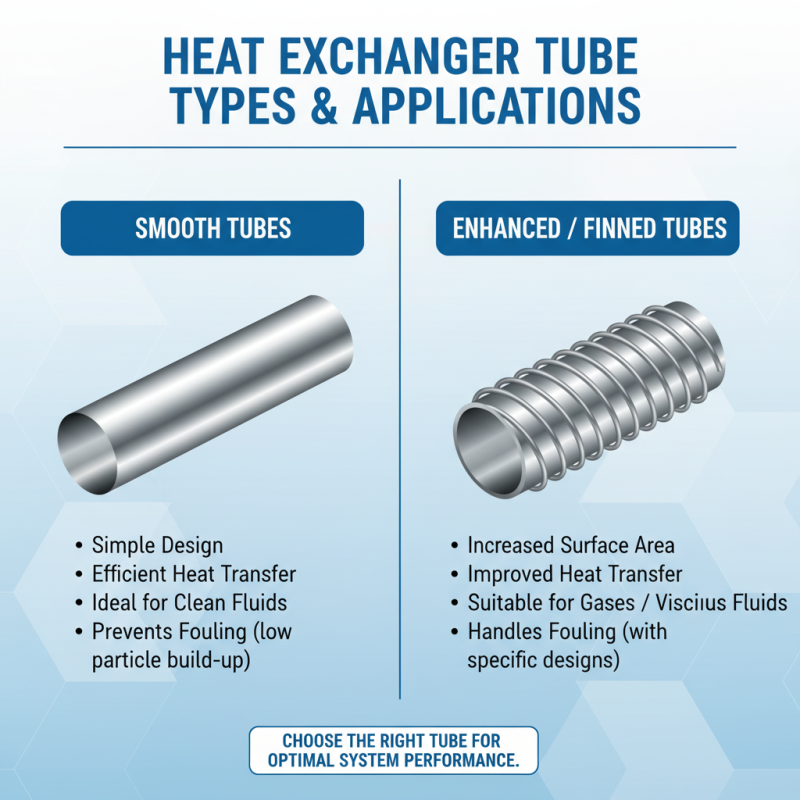
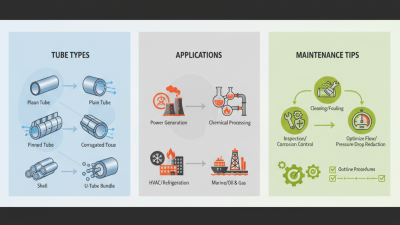
Choosing the right heat exchanger tube requires understanding the various types available. Each type has unique characteristics and applications, which influence their effectiveness in different systems. For instance, smooth tubes are great for liquids that don’t cause fouling. Their simple design allows for efficient heat transfer.
In contrast, enhanced tubes have features like fins. These add surface area, improving heat exchange efficiency. They work well in gas applications or where space is limited. It’s essential to consider factors like fluid type, temperature, and pressure when selecting a tube type. An inappropriate choice can lead to performance issues, reduced efficiency, and even system failure.
Material selection also impacts performance. Stainless steel offers good corrosion resistance but may not be ideal for all environments. Aluminum is lightweight and cost-effective, yet it has limitations in high-temperature scenarios. Often, finding the right balance is challenging. It requires thorough research and analysis.
Factors Influencing Heat Exchanger Tube Material Selection
Choosing the right heat exchanger tube is crucial for system efficiency. Numerous factors influence material selection. Consider corrosion resistance. Different environments pose unique challenges. For example, acidic or alkaline conditions require specific materials to ensure longevity.
Another critical factor is thermal conductivity. High thermal conductivity materials enhance heat transfer efficiency. However, they may have trade-offs, such as cost and availability. Evaluate your budget against the performance needs.
Tips: Always check the tube’s pressure rating. A mismatch can lead to failures. Don’t forget to consider maintenance requirements. Some materials need more upkeep, impacting lifespan and operational costs. Consulting with an expert can clarify uncertainties. Their insights are invaluable in avoiding common pitfalls.
Factors Influencing Heat Exchanger Tube Material Selection
Evaluating Thermal Conductivity and Corrosion Resistance in Tubes
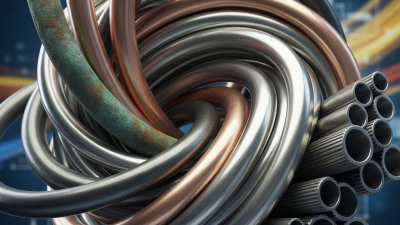
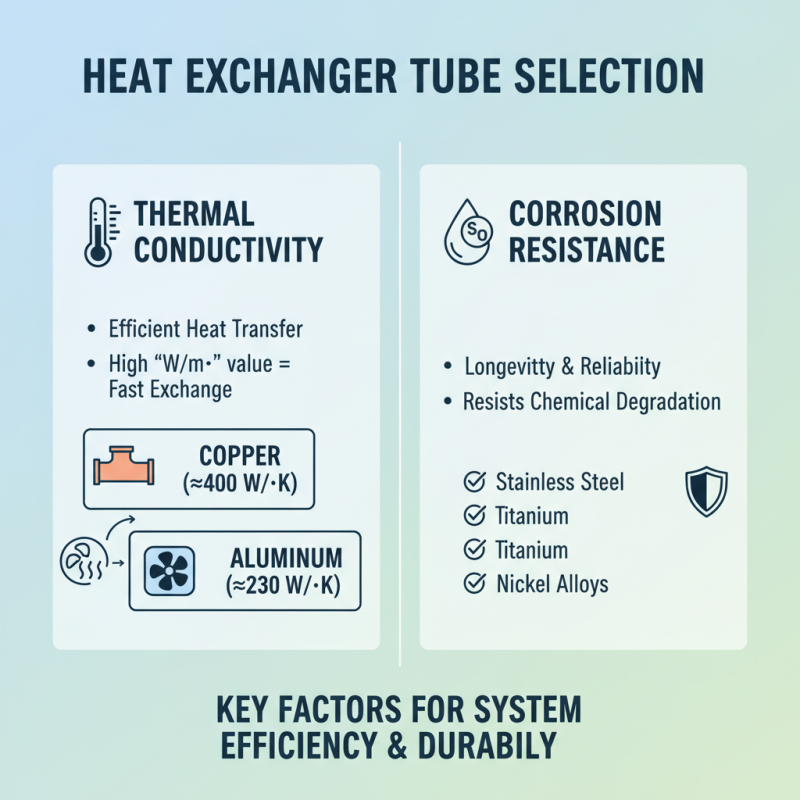
When selecting heat exchanger tubes, thermal conductivity and corrosion resistance are paramount. Metals like copper and aluminum exhibit high thermal conductivity. Copper, for instance, has a thermal conductivity of around 400 W/m·K. This property ensures efficient heat transfer in systems requiring rapid thermal exchange.
However, while considering thermal conductivity, it's crucial to evaluate the material's corrosion resistance. Mild steel, though cost-effective, can corrode in certain environments. A 2019 report indicated that mild steel could lose structural integrity after just a few years in corrosive conditions. Materials such as stainless steel and titanium offer better resistance. For instance, titanium resists corrosion in seawater, significantly extending the lifespan of the heat exchanger.
**Tips:** Always factor in the specific operating environment when selecting materials. Conduct thorough analysis to avoid costly failures. Remember to balance between cost and performance for long-term efficiency. Using alloys specifically designed for corrosion resistance can save on maintenance costs in the long run. Carefully assess your system's requirements to ensure an optimal match.
Sizing Heat Exchanger Tubes: Key Parameters and Industry Standards
Choosing the right heat exchanger tube is crucial for system efficiency. Sizing these tubes involves several key parameters. Among them, the outer diameter, wall thickness, and material type are essential. Industry standards, such as ASME and TEMA, provide guidelines for these dimensions, ensuring proper heat transfer and structural integrity.
According to the Heat Exchanger Institute (HEI), the tube size significantly affects the overall heat transfer coefficient. A small diameter can enhance convection but may increase pressure drop. In contrast, larger tubes might reduce resistance but could compromise the heat transfer rate. It’s vital to strike a balance based on system requirements.
Data shows that the optimal tube thickness for carbon steel is typically around 0.25 inches, while stainless steel often requires a thickness of around 0.18 inches. These choices depend largely on operating temperature and pressure conditions. Still, engineers sometimes overlook these metrics in favor of convenience, leading to inefficiencies. Proper analysis of these parameters can make a significant difference in performance and durability.
How to Choose the Right Heat Exchanger Tube for Your System?
| Parameter |
Description |
Standard Units |
Typical Range |
| Tube Diameter |
Outer diameter of the tube |
Inches or mm |
0.5 - 2.0 inches (12 - 50 mm) |
| Tube Wall Thickness |
Thickness of the tube wall |
Inches or mm |
0.02 - 0.25 inches (0.5 - 6 mm) |
| Material |
Material of the tube |
- |
Stainless Steel, Copper, Carbon Steel |
| Heat Transfer Coefficient |
Effectiveness of the heat transfer |
W/m²·K |
100 - 1000 W/m²·K |
| Pressure Rating |
Maximum allowable pressure |
psi or bar |
150 - 3000 psi (10 - 200 bar) |
| Temperature Range |
Operating temperature limits |
°C or °F |
-100 to 500 °C (-148 to 932 °F) |
Analyzing Cost-Effectiveness and Lifespan of Different Tube Options
When selecting heat exchanger tubes, cost-effectiveness and lifespan are crucial. According to a recent industry report, the longevity of copper tubes can be significantly greater than that of aluminum. Copper tubes often last up to 20 years, while aluminum may only last 10 to 15 years, depending on conditions. This difference in lifespan impacts overall maintenance and replacement costs.
Choosing the right material can also affect energy efficiency. Stainless steel tubes resist corrosion better than many alternatives, enhancing durability. However, they typically come with a higher upfront cost. In a study by the American Society of Mechanical Engineers (ASME), the long-term savings in energy costs from using more effective materials can outweigh initial expenses.
Tip: Consider the operational environment when selecting a tube. Factors like temperature fluctuations and chemical exposure can greatly affect the lifespan of your heat exchanger tubes.
Tip: Analyze your budget against the potential lifespan of each tube type. Short-term savings may lead to higher costs in the long run if frequent replacements are required.