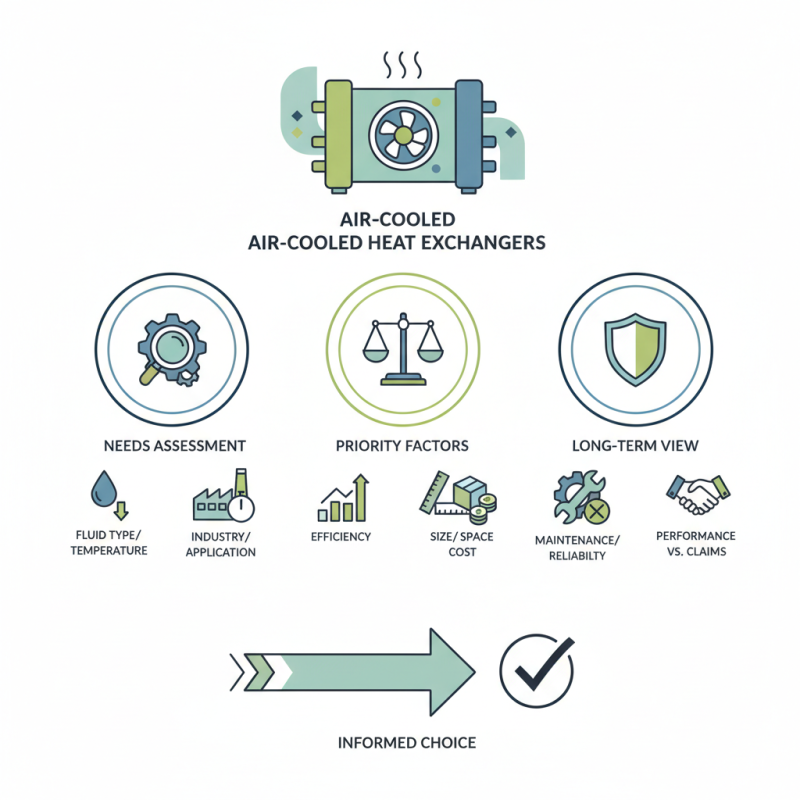
Choosing the right Air Cooled Heat Exchanger can be daunting. Many factors influence the decision. Understanding your specific needs is crucial.
These heat exchangers serve in various industries. They cool fluids without water, saving valuable resources. However, each application has unique requirements. Some may prioritize efficiency, while others focus on space or budget constraints.
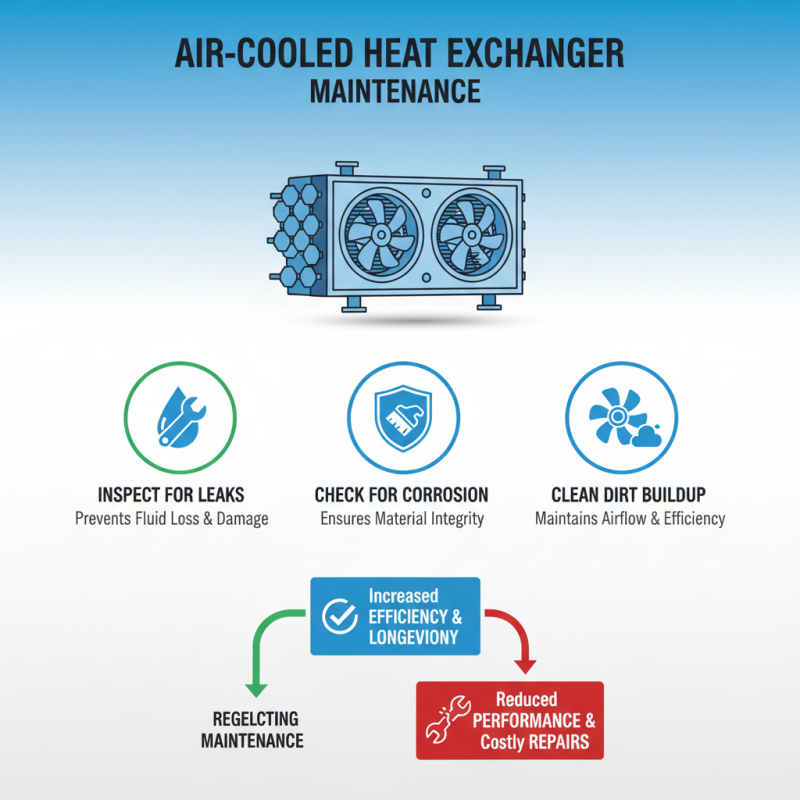
Many overlook maintenance needs. An efficient Air Cooled Heat Exchanger requires regular checks. Neglecting these can lead to costly repairs. Be cautious of misleading claims in advertisements. Your choice must align with real-world performance, not just sales pitches.
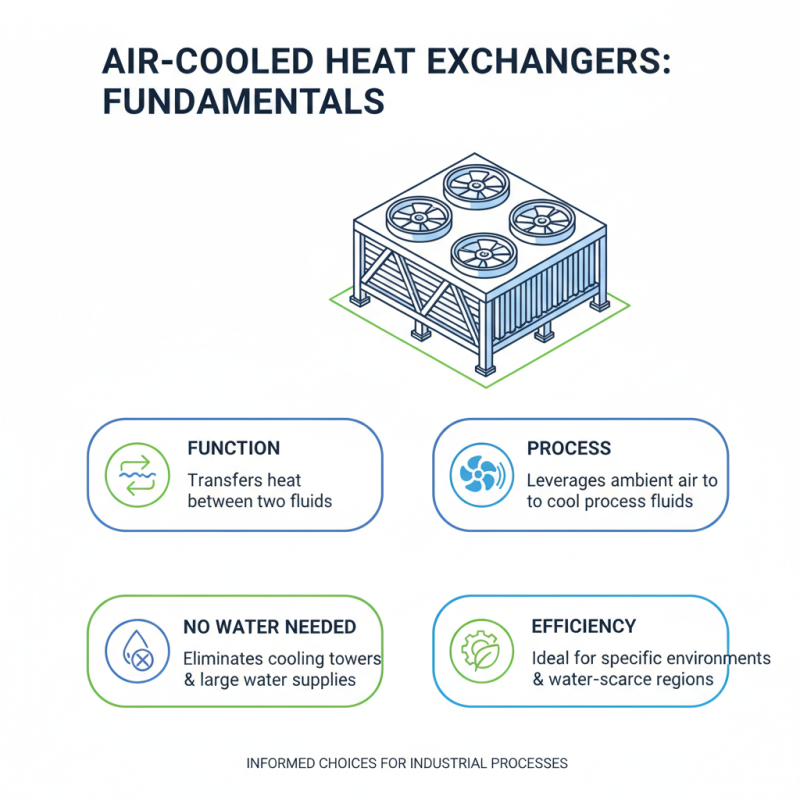
Air cooled heat exchangers play a crucial role in various industrial processes. Understanding their fundamentals can help you make informed choices. These devices transfer heat between two fluids without needing cooling towers or large water supplies. They leverage ambient air to cool down process fluids. This makes them highly efficient for specific environments.
When selecting an air cooled heat exchanger, consider your operating conditions. Ambient temperature can vary greatly. Do you operate in a hot climate? The heat exchanger must be able to handle higher temperatures. Conversely, cooler climates may require a different design approach. Think about the space available for installation. Some models are bulkier than others.
Tips: Always assess airflow patterns around the unit. Proper ventilation can significantly affect performance. Seek units with adjustable fan speeds. This provides flexibility for temperature control. Finally, don’t forget about maintenance access. An easily accessible design can save time and effort during routine checks. These details matter more than one might think.
When selecting an air-cooled heat exchanger, it’s essential to consider various factors. First, assess the thermal performance required for your application. The heat transfer rate needs to meet your process demands. Pay attention to the design temperature and pressure to ensure safety and efficiency.
Tip: Always consult with experts when in doubt. They can help optimize the configuration for your specific needs.
Next, evaluate the location and environmental conditions. The ambient temperature can significantly impact performance. A unit operating in a hotter climate may require more cooling capacity.
Tip: Conduct a site survey. Understanding local factors will guide better decision-making.
Finally, maintenance needs cannot be overlooked. Some designs may complicate upkeep. Regular maintenance is crucial for operational efficiency. Consider ease of access for cleaning and inspections.
Tip: Keep a maintenance log. It will help detect patterns and prevent issues early.
| Factor | Description | Importance Level | Typical Applications |
|---|---|---|---|
| Airflow Rate | The volume of air that passes through the heat exchanger, crucial for effective cooling. | High | Power plants, HVAC systems |
| Temperature Range | The range of temperatures the heat exchanger can effectively operate within. | Medium | Industrial cooling, refrigeration |
| Material Construction | The type of materials used (e.g., aluminum, copper) affects durability and corrosion resistance. | High | Oil and gas, chemical processing |
| Size and Footprint | Physical dimensions of the exchanger, important for installation space constraints. | Medium | Facilities with limited space |
| Maintenance Requirements | How easy it is to maintain and service the heat exchanger. | High | Continuous operation facilities |
When evaluating your system's thermal requirements, start by considering the heat load. Identify how much heat needs to be removed from the system. This can involve understanding the operating temperature of your equipment. Reflect on how ambient conditions might affect performance. Outdoor temperatures can have a significant impact on heat exchange efficiency.
Analyze the flow rates of both the cooling medium and the process fluid. These rates influence heat transfer effectiveness. Miscalculations here can lead to underperformance. Take note of potential variations in your system's operation. Sudden spikes in thermal loads can occur, especially during peak usage. Having a flexible design can accommodate these fluctuations.
Don't overlook installation and maintenance considerations. Ensure that the location allows for proper airflow. Accessibility for cleaning is essential too. Often, people underestimate the importance of maintenance. An air-cooled heat exchanger may require regular inspections to function properly. Failing to do so can reduce its lifespan and efficiency dramatically. Each of these factors plays a critical role in selecting the right heat exchanger for your needs.
This bar chart illustrates the thermal requirements (in kW) for various applications like HVAC, Industrial Cooling, and Power Generation. It helps in evaluating the right air cooled heat exchanger based on system needs.
When selecting an air cooled heat exchanger, material and design options are critical. Steel is a popular choice due to its strength and resilience. However, copper offers superior thermal conductivity and corrosion resistance. For environments with high humidity or corrosive substances, polyethylene or specialized alloys might be preferable. Reports indicate that nearly 40% of heat exchangers fail prematurely due to material degradation. Choosing the wrong material can lead to costly downtimes.
Design considerations are equally important. Finned tubes are used to enhance heat transfer efficiency. The spacing and surface area of fins affect performance significantly. Research shows that fin efficiency can improve heat transfer rates by up to 35%. However, tighter fin spacing can lead to fouling, so a balanced design is crucial.
Evaluating the specific application is vital. Some designs excel in high-temperature environments, while others are better suited for low-pressure applications. Misjudging these needs can result in inefficient operation. Proper analysis of operational conditions is often overlooked.
When selecting an air-cooled heat exchanger, maintenance plays a crucial role. Regular upkeep ensures efficiency and longevity. Neglecting maintenance can lead to performance issues and costly repairs. Inspect for leaks, corrosion, and dirt buildup. These factors can significantly reduce effectiveness.
Tips for maintenance:
- Clean the unit frequently. Dirt can affect airflow.
- Check coolant levels regularly. Low coolant can cause overheating.
- Monitor fan operation. A malfunctioning fan leads to reduced cooling.
Operational considerations are equally important. Run the unit within its defined operating limits. Overloading can cause wear and tear. Elevated temperatures may require adjustments. Pay attention to the surrounding environment too. High ambient temperatures can strain the system further.
Another vital aspect is monitoring performance. Utilize gauges and sensors to track efficiency. Small changes can indicate potential problems. Address them quickly. Ignoring warning signs may lead to larger issues later. Regular audits help maintain optimal operation.