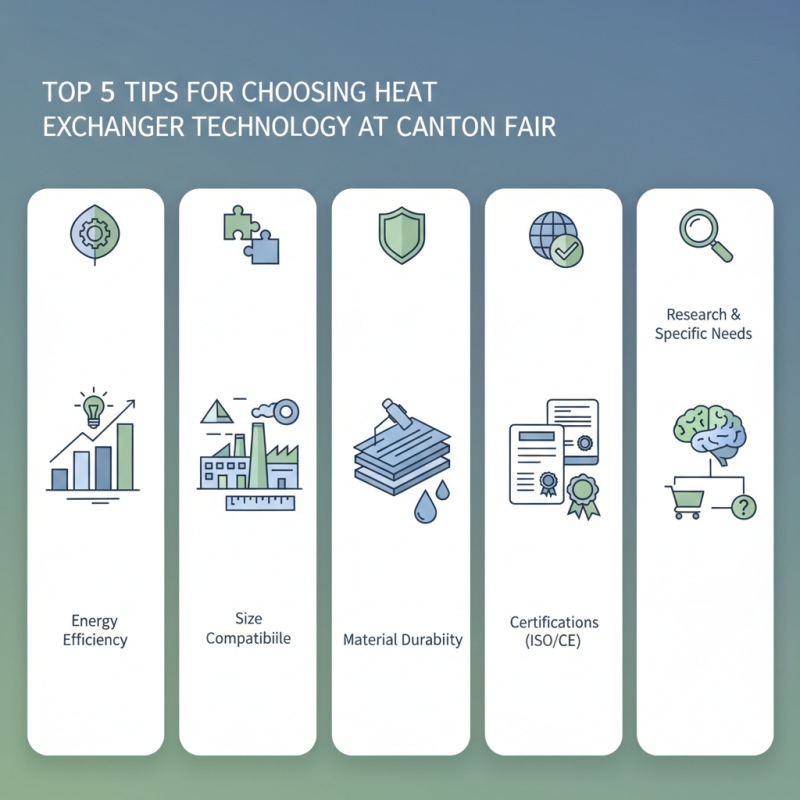
Top 5 Tips for Choosing Heat Exchanger Technology at Canton Fair?
Choosing the right Heat Exchanger Technology is crucial for any manufacturing business. The Canton Fair, one of the largest trade exhibitions, offers a unique opportunity to explore various technologies. This event, held from April to May in 2026, will feature advanced manufacturing and mechanical innovations. Attendees can find numerous suppliers showcasing their solutions.
When selecting heat exchangers, it's vital to consider specific criteria. Look for energy efficiency, size compatibility, and material durability. Many suppliers will have ISO and CE certifications, ensuring quality standards. However, navigating the vast exhibition space can be overwhelming. 155 million square meters can easily lead to confusion.
AI features will help buyers efficiently find relevant exhibitors. Still, buyers must prepare adequately. Researching technologies beforehand can help make informed decisions. This approach reduces the chance of impulsive purchases. Reflecting on your specific needs is key to making the best choice in Heat Exchanger Technology.
Understanding the Different Types of Heat Exchangers Available
When attending the Canton Fair, selecting the right heat exchanger technology is crucial. Many types are available, each serving unique purposes. Understanding these can help make the decision easier.
Plate heat exchangers are compact and efficient. They work well for low to medium pressure applications. Their design allows for easy maintenance and cleaning, which is a significant advantage. However, they may not suit high-pressure needs.
Shell and tube heat exchangers are another popular option. They are ideal for heavy-duty applications. Their robust design handles high temperatures effectively. Keep in mind that they require more space. This could be a challenge in smaller setups.
When choosing a heat exchanger, consider your specific needs. Think about the space you have and the temperatures you'll encounter. Also, reflect on maintenance requirements. These factors will influence your choice and can save costs in the long run.
Factors to Consider for Material Selection in Heat Exchanger Design
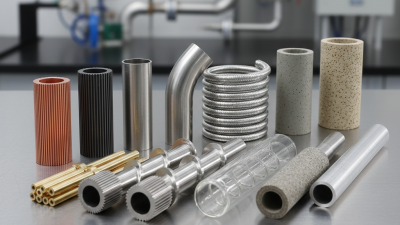
When selecting materials for heat exchanger design, several factors come into play. The operating temperature and pressure are crucial. These conditions can significantly impact material selection. For example, stainless steel is popular for high-temperature applications. It offers corrosion resistance and durability. Yet, it's essential to consider the material's heat conductivity as well. A balance is required.
Another point to ponder is the fluid type being used. Different fluids have different corrosive properties. This knowledge helps determine compatibility with the selected material. Some materials are better suited for aggressive fluids. In contrast, others may fail quickly under such conditions. Ensuring your material can withstand the specific fluid is vital.
Cost versus performance is also a significant issue. While some materials might offer superior performance, their high cost could be prohibitive. It's a trade-off between long-term savings and initial expenditure. Sometimes, choosing a less expensive option could lead to repeated failures. This could increase overall costs over time, raising questions about the decision made.
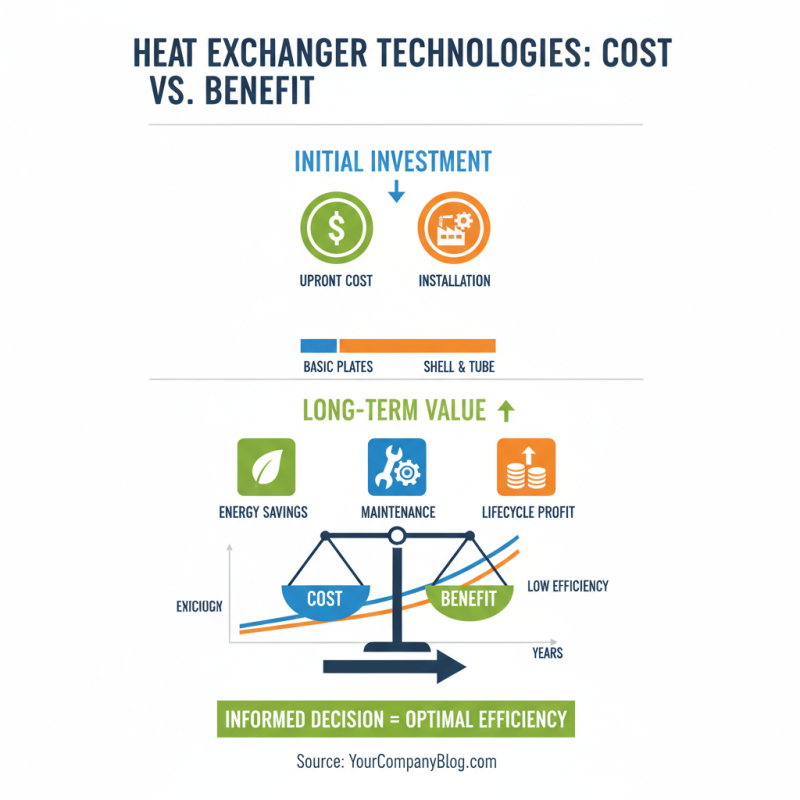
Analyzing Cost vs. Benefit in Heat Exchanger Technologies
Choosing the right heat exchanger technology is crucial for operational efficiency. The cost versus benefit analysis can guide your decision-making process. It's important to consider initial investment versus long-term savings. Some technologies might seem affordable upfront but can lead to high maintenance costs later on. It's essential to dissect the overall lifecycle costs.
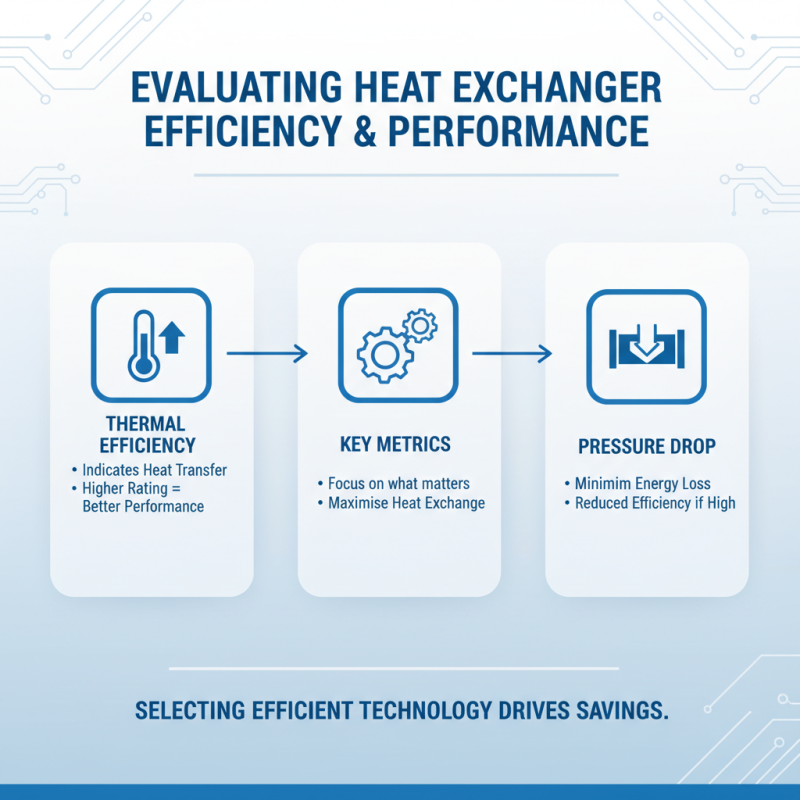
Efficiency plays a key role in this analysis. A heat exchanger with a high efficiency rating can cut energy usage significantly, providing savings over time. However, higher efficiency often comes with a higher purchase price. Evaluate your budget carefully. Will the energy savings justify the investment? Do the numbers add up?
In practice, many choices are not straightforward. A complex system may seem appealing due to advanced features, but it might require more resources to operate effectively. Reflection on past experiences can help. Did the last system deliver expected results? Assessing past decisions can provide valuable insights for future ones. Always ask, "What did I learn?" This reflective approach can illuminate the path towards the right choice.
Importance of Compliance with Industry Standards in Heat Exchangers
When selecting heat exchanger technology, compliance with industry standards is crucial. According to the Heat Exchange Institute, over 30% of heat exchanger failures result from non-compliance with established guidelines. This can lead to significant downtimes and increased maintenance costs. Understanding these standards can be the difference between a successful application and a costly mistake.
Industry standards not only ensure safety but also improve efficiency. For example, the ASME standards dictate the manufacturing quality and performance requirements. Adherence to these specifications can enhance longevity and operational reliability of heat exchangers. A report by the Energy Management Association notes that compliant systems can improve energy efficiency by up to 20%. This highlights the material benefits of choosing compliant technology.
However, many manufacturers overlook these important regulations. Inadequate knowledge about industry standards can lead to poor choices. Investing time in research and understanding relevant compliance can prevent regrets later. While it may seem easier to ignore these standards, the long-term consequences can be detrimental. Staying informed protects both investment and operational integrity.