How to Choose the Best Industrial Heat Exchanger for Your Business in 2025
As industries continue to evolve and prioritize energy efficiency, the significance of selecting the right Industrial Heat Exchanger cannot be overstated. In 2025, businesses must navigate a complex landscape of options to ensure they are choosing the most suitable heat exchanger that aligns with their operational needs and sustainability goals. The right Industrial Heat Exchanger plays a critical role in optimizing processes, reducing energy consumption, and subsequently lowering operational costs.
In this guide, we will explore the top factors to consider when selecting an Industrial Heat Exchanger, providing insights that can aid business leaders in making informed decisions. With advancements in technology and increasing environmental regulations, understanding the types of heat exchangers available, their operational efficiency, maintenance requirements, and overall performance will be crucial. This comprehensive overview aims to equip businesses with the necessary knowledge to evaluate their options effectively and choose the best Industrial Heat Exchanger for their specific applications. Whether you are looking to upgrade your current systems or invest in new technology, the right choice can lead to significant improvements in both performance and efficiency in your operations.
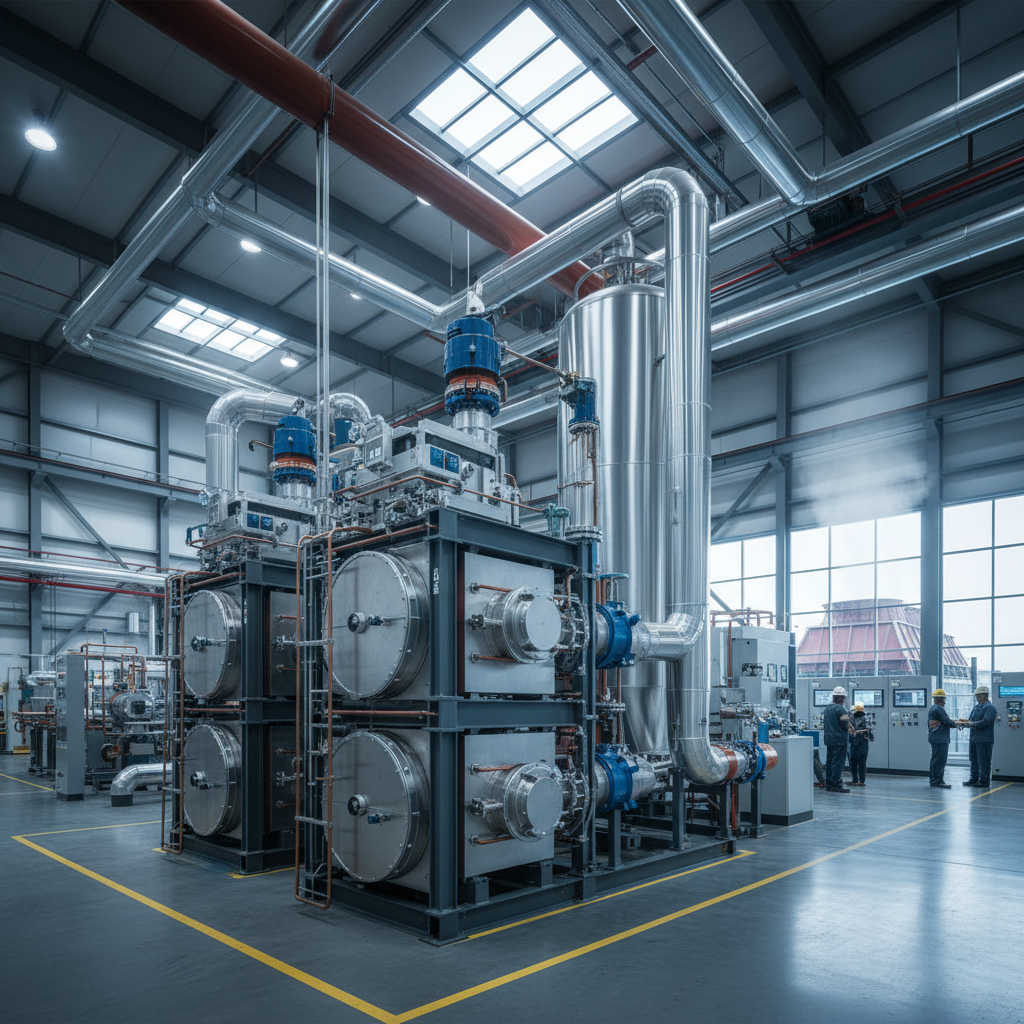
Understanding the Different Types of Industrial Heat Exchangers and Their Applications in 2025
When selecting the best industrial heat exchanger for your business in 2025, it’s essential to understand the various types available and their specific applications. There are primarily four categories of heat exchangers: shell and tube, plate, air-cooled, and double-pipe heat exchangers. According to a recent report by MarketsandMarkets, the shell and tube heat exchanger segment is projected to hold the largest market share, expected to reach USD 9.1 billion by 2025 due to its robustness and ability to handle high-pressure applications.
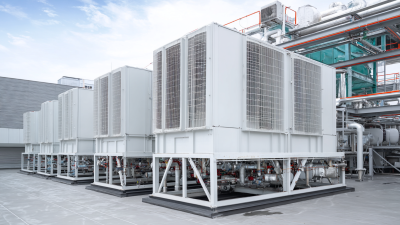
In addition, plate heat exchangers are gaining popularity, particularly in the food and beverage and pharmaceutical industries, as they provide high heat transfer efficiency and compact design. A study by ResearchAndMarkets indicates that the plate heat exchanger market is anticipated to grow at a CAGR of 6.2% from 2020 to 2025. Air-cooled heat exchangers are also seeing increased adoption, especially in regions with limited water resources; their ability to operate efficiently in such conditions makes them a preferred choice for many industries. Understanding these variations and their applications will empower businesses to select the most suitable heat exchanger that aligns with their operational needs and sustainability goals.
Key Factors to Consider When Selecting a Heat Exchanger for Your Specific Industry Needs
When selecting the best industrial heat exchanger for your specific business needs in 2025, it is essential to consider several key factors that cater to your industry requirements. Firstly, analyze the specific application of the heat exchanger, whether it's for heating, cooling, or heat recovery. Different industries, such as chemical processing, food and beverage, and HVAC, may require distinct designs and operational features. Understanding the thermal capacity and efficiency needed for your operations will guide you toward the right model.
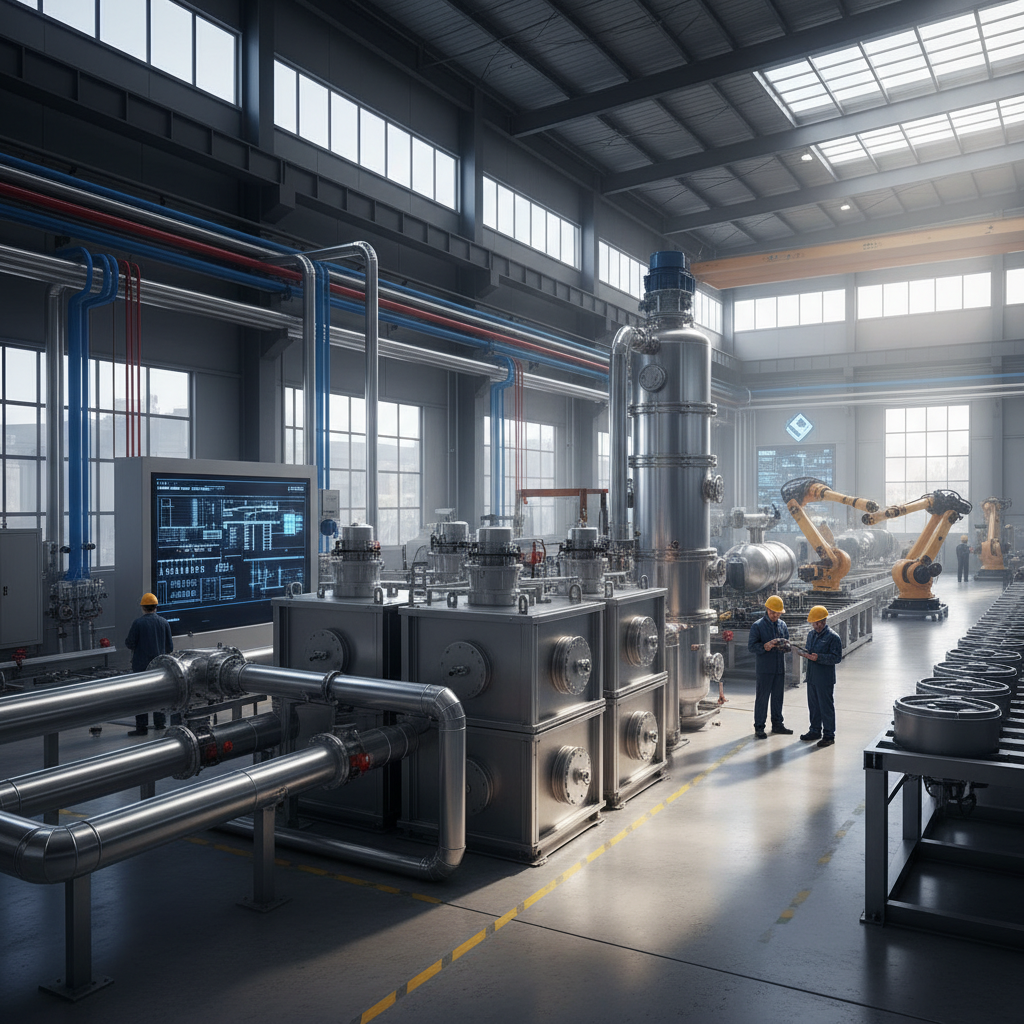
Additionally, evaluate the material compatibility and construction types available in the market. Options like plate heat exchangers, shell-and-tube systems, and air-cooled exchangers each serve different purposes and come with their own advantages. Pay attention to regulatory standards and certifications that may apply to your sector to ensure compliance and safety. Lastly, consider the maintenance requirements and accessibility for service to maximize the longevity and reliability of the heat exchanger in your operations.
Evaluating Efficiency: How to Measure Performance Metrics in Industrial Heat Exchangers
In 2025, the importance of measuring performance metrics in industrial heat exchangers cannot be overstated. Efficiency is a key determinant for selecting the right heat exchanger, as it directly influences energy consumption and operational costs. According to a recent report from the International Energy Agency (IEA), heat exchangers account for roughly 20% of industrial energy use worldwide, emphasizing the need for accurate performance evaluation. Metrics such as heat transfer coefficient, pressure drop, and temperature efficiency must be assessed to ensure optimal performance.
To evaluate these metrics effectively, businesses should consider integrating advanced monitoring technologies. A study by the American Society of Mechanical Engineers (ASME) revealed that utilizing real-time data from Internet of Things (IoT) sensors can improve efficiency by up to 15%. By continuously monitoring heat transfer rates and tracking changes in performance over time, companies can identify inefficiencies early and make necessary adjustments to enhance their operations. This data-driven approach not only supports informed decision-making but also aligns with sustainability initiatives aimed at reducing carbon footprints in industrial processes.
How to Choose the Best Industrial Heat Exchanger for Your Business in 2025
| Type of Heat Exchanger |
Material |
Efficiency (%) |
Heat Transfer Coefficient (W/m²·K) |
Maintenance Frequency (Months) |
Lifespan (Years) |
| Shell and Tube |
Stainless Steel |
85 |
300 |
12 |
20 |
| Plate |
Titanium |
90 |
400 |
6 |
15 |
| Air Cooled |
Aluminum |
80 |
250 |
9 |
25 |
| Double Pipe |
Carbon Steel |
75 |
200 |
12 |
18 |
Future Trends in Heat Exchanger Technology: What to Expect in 2025 and Beyond
As we look towards 2025, the heat exchanger technology landscape is set to experience transformative developments driven by the rising demand for energy efficiency and sustainable practices across industries. One of the key trends is the increasing integration of advanced materials and designs that enhance thermal performance while minimizing energy consumption. According to industry forecasts, the global green data center market, valued at $81.75 billion in 2024, is expected to surge to $95.28 billion by 2025 and reach $307.52 billion by 2032. This growth signifies a rising acknowledgment of the importance of efficient cooling solutions, underscoring the role of modern heat exchangers in achieving operational excellence.
Moreover, the advent of smart technology in heat exchangers will play a crucial role in the future market. Predictive maintenance and real-time monitoring capabilities will allow businesses to optimize their systems, potentially reducing downtime and maintenance costs significantly. With advancements in automation and IoT integration, manufacturers will produce more intelligent heat exchangers, capable of adapting to varying operational conditions and ensuring optimal performance. This evolution represents not only a response to the growing energy demands but also a strategic alignment with sustainability goals expected to define the industrial landscape in the coming years.
Industrial Heat Exchanger Market Trends (2020-2025)
This bar chart illustrates the projected growth of the industrial heat exchanger market from 2020 to 2025. As shown, the market is expected to grow significantly, reflecting advancements in heat exchanger technology and an increasing demand in various industries.
Cost Analysis: Balancing Initial Investment and Long-Term Savings in Heat Exchanger Selection
In selecting the best industrial heat exchanger for your business in 2025, a thorough cost analysis is essential. The initial investment can vary significantly depending on the type and design of the heat exchanger, with options ranging from shell-and-tube to plate and frame systems. It’s crucial to assess not only the upfront costs but also the operational efficiency and maintenance expenses over time. A heat exchanger with a higher initial price may offer advanced technology that leads to substantial energy savings, ultimately reducing the total cost of ownership.
Long-term savings play a pivotal role in justifying the initial expenditure. Businesses should consider the thermal efficiency of the heat exchangers and their impact on overall operational costs. Additionally, the durability and reliability of the equipment can influence maintenance schedules and replacement needs, further affecting long-term financial outcomes. By balancing the initial investment against potential long-term savings, businesses can make well-informed decisions that foster sustainability and profitability in their operations.