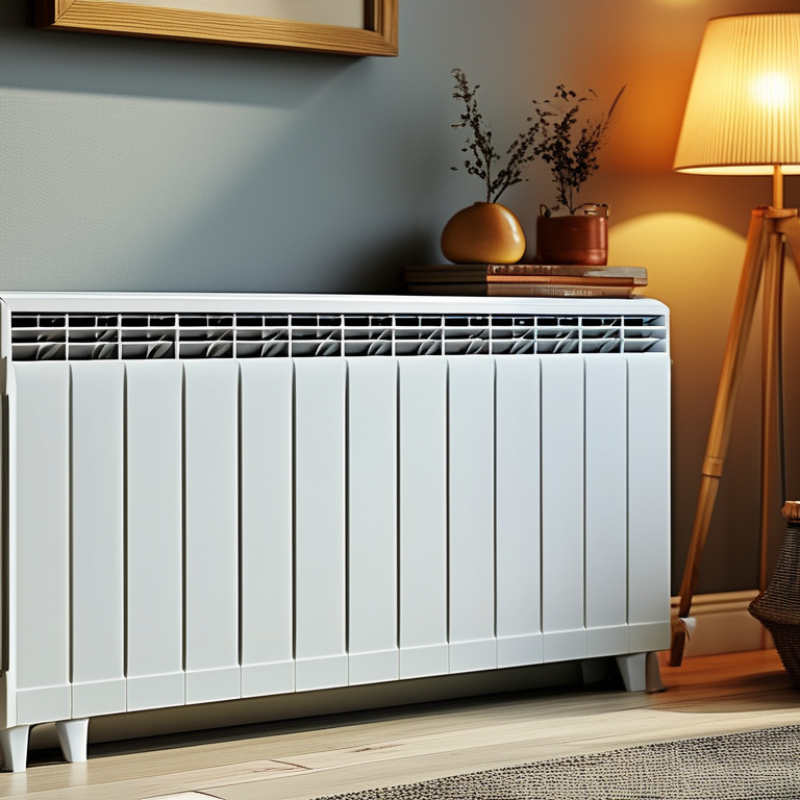
How to Choose the Best Compact Heat Radiator for Your Needs?
Choosing the right Compact Heat Radiator can be challenging. Many options exist on the market today. Each model has its own features, which can be overwhelming to navigate.
A Compact Heat Radiator is designed to efficiently warm small spaces. These radiators are popular in apartments and offices. They save space while delivering effective heating. However, selecting the best model requires careful consideration.
Consider the heating needs of your space. Do you need quick heating or long-lasting warmth? Evaluate the radiator's power and efficiency ratings. Look for features like adjustable settings and portability. A reliable Compact Heat Radiator can significantly improve your comfort during cold months.
Understanding the Different Types of Compact Heat Radiators
When choosing a compact heat radiator, understanding the various types available is essential. The three main types are convection, radiant, and fan-forced radiators. Each type operates differently and has unique benefits. Convection radiators heat the air around them, creating an upward flow of warm air. This option is great for larger spaces. Radiant heaters, on the other hand, warm objects directly, which can be more efficient in smaller rooms. Fan-forced radiators combine these methods by using a fan to distribute heat quickly.
Tips: Consider the size of the area you need to heat. A smaller, well-insulated room may benefit more from a radiant heater. Ensure you check safety features, especially if you have pets or children. Look for models with automatic shut-off functions.
Another important factor is energy efficiency. Some models consume more electricity than others. Research energy ratings, as higher efficiency means lower bills. However, don't just focus on efficiency; consider the noise levels as well. Some compact radiators can be noisy, which may be distracting in a quiet home environment. Reflect on what matters most to you.
Key Factors to Consider When Selecting a Compact Heat Radiator
When choosing a compact heat radiator, various factors play a crucial role. The space available is significant. Measure the area where you intend to place the radiator. A unit too large can block movement. Conversely, a small radiator may not provide sufficient warmth. Consider the heater’s power output as well. Higher wattage typically means better heat distribution.
Energy efficiency is another key aspect. Look for models that heat quickly while consuming less power. This choice can save on energy bills over time. Noise levels matter as well. Some radiators operate quietly, while others produce distracting sounds. Think about how much noise you're comfortable with in your living space.
Safety features are essential for peace of mind. Overheat protection and tip-over switches can help prevent accidents. Compact radiators should also have stable bases. It's wise to reflect on your heating habits, too. Do you often forget to turn it off? If so, models with timers or smart features may benefit you. Balancing all these factors can make the selection process complex, yet rewarding.
Assessing the Heating Capacity and Efficiency Ratings
When selecting a compact heat radiator, understanding heating capacity and efficiency ratings is crucial. The heating capacity typically measures in BTUs (British Thermal Units). A radiator with a higher BTU indicates more heat production. For a small room, a radiator with about 3,000 to 5,000 BTUs is often sufficient.
Efficiency ratings also play a vital role in energy consumption. Look for models with energy efficiency ratings above 90%. These units provide effective heating while minimizing energy waste. According to the Department of Energy, high-efficiency radiators can save up to 30% on energy bills compared to standard models.
Tips: Always measure your room size before purchasing. Consider the radiator’s placement, as proximity to outside walls can affect heat distribution. Additionally, examine energy consumption of different units. Some models may boast high BTUs but are inefficient, leading to higher costs. Balancing power and efficiency can lead to a more sustainable choice.
Be mindful that not every high BTU unit is the best option for your unique needs. Sometimes, smaller, more efficient models can provide adequate warmth without overburdening your electricity bill. It's worth researching various efficiency ratings to avoid getting lost in terminology. Making an informed decision could significantly impact both comfort and cost.
Evaluating Size, Design, and Portability Features
When evaluating a compact heat radiator, size is paramount. Consider the space available. Compact radiators should fit comfortably in your room without overwhelming the decor. Measure the area where you plan to place the radiator, ensuring the dimensions match your needs. A radiator that is too large can create an imbalance in the room's aesthetics. Conversely, one that is too small may not provide sufficient warmth.
Design features also play a significant role. A modern look can enhance your room's style. Look for aesthetically pleasing units that complement your interior. Some models come with sleek surfaces or attractive finishes that make them more visually appealing. Portability is another essential factor. Many compact radiators are designed with wheels or handles for easy movement. This feature becomes valuable when you want to shift heating to different areas.
Reflecting on efficiency is important. Some compact models may struggle to heat larger spaces despite their practicality. Checking user reviews can provide insight into real-world performance. Remember that a radiant heater's output should match your specific requirements. It's advisable to critically assess how often and where you'll use the radiator. This can help clarify if the investment meets your heating expectations.
How to Choose the Best Compact Heat Radiator for Your Needs?
| Model |
Size (inches) |
Power Output (W) |
Weight (lbs) |
Portability Features |
Design Type |
| Model A |
15 x 10 |
1500 |
5.5 |
Wheels, Handle |
Free-standing |
| Model B |
18 x 12 |
2000 |
6.8 |
Foldable Stand |
Portable |
| Model C |
12 x 8 |
1200 |
4.0 |
Carrying Handle |
Tabletop |
| Model D |
20 x 14 |
2500 |
7.5 |
Detachable Cord |
Wall-mounted |
Comparing Price Ranges and Warranty Options for Compact Radiators
When choosing a compact heat radiator, price and warranty are crucial factors. Prices can vary significantly between models. Basic models may start around $50. Mid-range options often cost between $100 and $200, while high-end radiators can exceed $300. Understanding what fits your budget helps prevent overspending while meeting your heating needs.
Warranty options also play a vital role in your decision. Many manufacturers offer a one to two-year warranty for their compact heat radiators. Some brands even extend warranties up to five years. A longer warranty can provide peace of mind. It often signals better build quality, reducing future repair costs.
Tips: Always read reviews to gauge the reliability of models. Some might fail to meet expectations. Look for information about customer service experiences as well. Remember that the cheapest option may not always be the best quality. Investing a bit more can lead to greater satisfaction in the long run, especially if well-made products last longer.
Comparison of Compact Heat Radiators: Prices and Warranties
This bar chart compares the prices and warranty periods of different compact heat radiator models. On the left axis, prices in dollars are displayed, while the warranty periods in years are also represented. This visualization helps consumers evaluate their options based on budget and product support.