How to Choose the Best Compact Heat Radiator for Efficient Home Heating
When it comes to maintaining a comfortable indoor environment during the colder months, selecting the right heating solution is crucial. Among various heating options, the Compact Heat Radiator stands out for its efficiency and space-saving design, making it an ideal choice for homes with limited room. These compact units are not only effective in delivering warmth but also offer a range of features that cater to different heating needs. However, with numerous models and specifications available on the market, choosing the best Compact Heat Radiator can be a daunting task.
To make an informed decision, homeowners need to consider several key factors such as heating capacity, energy efficiency, size, and safety features. Understanding how each element impacts performance will help in selecting a unit that not only fits the available space but also aligns with personal preferences for cost-effectiveness and ease of use. This guide aims to simplify the decision-making process, ensuring that readers can efficiently navigate through their options and find the perfect Compact Heat Radiator for their home, ultimately enhancing their comfort and warmth during chilly seasons.
Understanding the Basics of Compact Heat Radiators
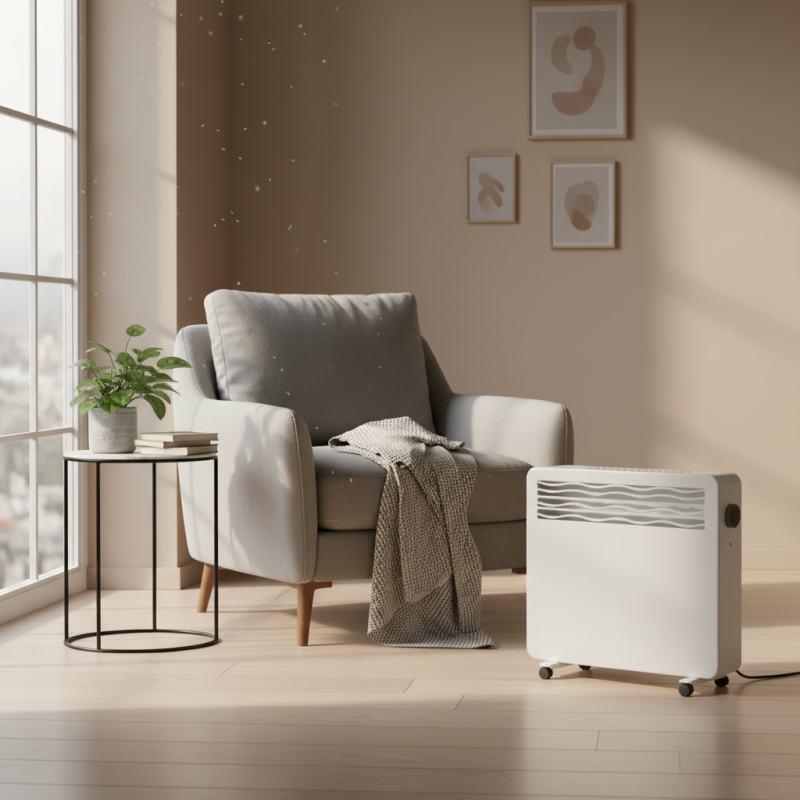
When evaluating compact heat radiators for efficient home heating, it is essential to understand their fundamental workings. Compact heat radiators generally operate on a principle of thermal radiation, where heat is emitted through surfaces and facilitates warmth in the surrounding area. These devices can significantly improve comfort levels in smaller spaces, utilizing less energy compared to conventional heating systems while efficiently distributing warmth.
Key features to consider include the radiator's heat output, size, and energy efficiency rating. The heat output, measured in watts, indicates how much warmth can be produced in a given time frame. An ideal unit should balance size and heating capability to ensure it fits well within the designated space without compromising efficiency. Additionally, energy-efficient models equipped with modern technology can provide greater control over heating settings, ultimately leading to reduced energy consumption and lower utility bills. Understanding these basics will empower homeowners to make informed decisions when selecting the best compact heat radiator to suit their specific needs.
How to Choose the Best Compact Heat Radiator for Efficient Home Heating
| Feature |
Description |
Heat Output (BTU/h) |
Energy Efficiency Rating |
Dimensions (inches) |
| Size |
Compact and lightweight design for easy placement |
500 |
A+ |
25 x 12 x 5 |
| Material |
Aluminum for optimal heat conduction |
600 |
A++ |
28 x 14 x 6 |
| Design |
Sleek and modern aesthetics to fit your home decor |
550 |
A |
30 x 16 x 8 |
| Control |
Programmable thermostat for precise temperature control |
700 |
A+++ |
32 x 18 x 10 |
| Safety Features |
Overheat protection and tip-over safety switch |
500 |
A+ |
26 x 12 x 5 |
Evaluating Energy Efficiency Ratings and Specifications
When selecting a compact heat radiator for efficient home heating, one of the foremost considerations should be the energy efficiency ratings. These ratings often provide a clear indication of how effectively a radiator converts electricity into heat, which can significantly impact your energy bills over time. Look for appliances that have earned high ratings on energy efficiency scales; these typically indicate that the unit uses less energy to produce the same amount of heat compared to lower-rated models.
This is particularly important in regions with high heating demands, where choosing a less efficient unit can lead to substantial financial burdens.
In addition to energy ratings, examining the specifications of the compact heat radiator is crucial. Features such as wattage, the size of the unit, and heat output should align with the specific heating requirements of your space. Consider factors such as insulation quality, room dimensions, and desired temperature levels. A radiator with adjustable heat settings allows for greater control and can enhance overall efficiency by adapting to varying heating needs.
Additionally, look for models that incorporate advanced technologies, like thermostats or timers, which ensure that the radiator operates only when needed, further contributing to energy savings and effective heating.
Comparing Different Types of Compact Heat Radiators
When it comes to selecting a compact heat radiator for home heating, it's essential to understand the various types available on the market. Electric radiators are a popular choice due to their ease of use and quick heating capabilities. They typically come in sleek designs that can fit seamlessly into smaller spaces while providing effective warmth. Some models feature programmable thermostats, allowing homeowners to manage energy consumption efficiently.
On the other hand, oil-filled radiators offer a different heating approach. They are filled with oil that retains heat for an extended period, even after being turned off. This can be particularly advantageous for maintaining a steady temperature without frequent adjustments. Their compact designs make them suitable for tight areas, and they are generally quieter than electric radiators. Additionally, materials like aluminum or steel in heater construction impact weight and heat distribution, so it's crucial to consider these factors when comparing models. Each type of radiator has its unique benefits, making careful consideration of your specific needs vital for achieving optimal heating efficiency.
Key Features to Look for in a Compact Heat Radiator
When selecting the best compact heat radiator for efficient home heating, there are several key features to consider that can greatly enhance performance and convenience. First and foremost, look for the radiator's heating capacity, typically measured in watts. Understanding the room size and the radiator's capacity will ensure that you choose a model that can effectively warm your space. Additionally, consider the type of heating mechanism—radiators can be convection, infrared, or oil-filled. Each type has its unique benefits; for example, convection radiators quickly circulate warm air, while infrared models provide direct heat, making them ideal for smaller areas.
Another essential feature is the energy efficiency of the compact heat radiator. Models with programmable thermostats or timers allow for better control over heating schedules, reducing energy consumption when the room is not in use. Furthermore, portability is a critical aspect for users who may need to move the radiator between different rooms. A lightweight design coupled with wheels or handles can facilitate easy relocation. Safety features such as overheat protection and tip-over switches are also crucial to ensure a safe home environment, particularly in households with children or pets. Prioritizing these key features will help you choose a compact heat radiator that meets both your heating needs and safety standards.
Heating Efficiency Comparison of Compact Heat Radiators
This chart illustrates the heating efficiency of different compact heat radiators measured in BTU/h. The comparison highlights the performance levels, aiding in selecting the best radiator for efficient home heating.
Installation and Maintenance Tips for Optimal Performance
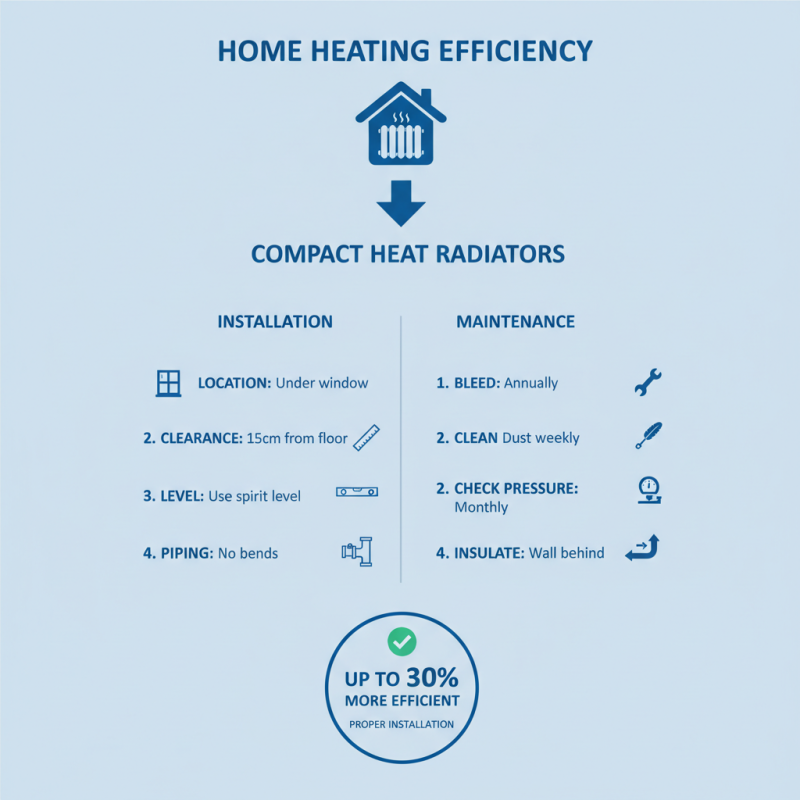
When it comes to maximizing the efficiency of home heating with a compact heat radiator, understanding installation and maintenance is crucial. According to industry reports, properly installed radiators can increase heating efficiency by up to 30%. This highlights the importance of not only choosing the right model but also ensuring it is set up correctly for optimal performance.
Tips: To start, always ensure that the radiator is installed in a location that facilitates even heat distribution. Avoid placing units behind furniture or in corners; instead, position them near external walls where they can combat cold drafts. Regular maintenance, such as bleeding the radiator to remove trapped air, is vital for sustaining efficiency. Studies suggest that radiators that are bled at least once a year retain up to 5% more efficiency compared to those that are neglected.
Another key aspect is the regular inspection of the heating elements and connections for any wear or blockage. It is recommended that homeowners check these components every six months to prevent costly repairs later on. Reports indicate that radiators properly maintained can last over 15 years, providing not only warmth but also a significant return on investment through enhanced energy savings.